
Sunday evening has a way of arriving faster than expected. For anyone living in a small apartment, the weekend's clutter can feel louder than it would in a larger space: a few dishes in the sink, mail on the counter, a jacket draped over a chair. None of it is a crisis, but together it can make a small home feel tight and unsettled.
A twenty-minute reset is not about deep cleaning or redecorating. It is a small, repeatable routine that clears the most visible friction points and leaves you with a slightly softer landing for the week ahead. Twenty minutes is short enough to fit between dinner and whatever you actually want to do with your evening, and long enough to make a noticeable difference. The goal is not perfection. The goal is a home that feels a little more comfortable to walk into on Monday.
Here is a simple version you can adapt to your space and your energy level.
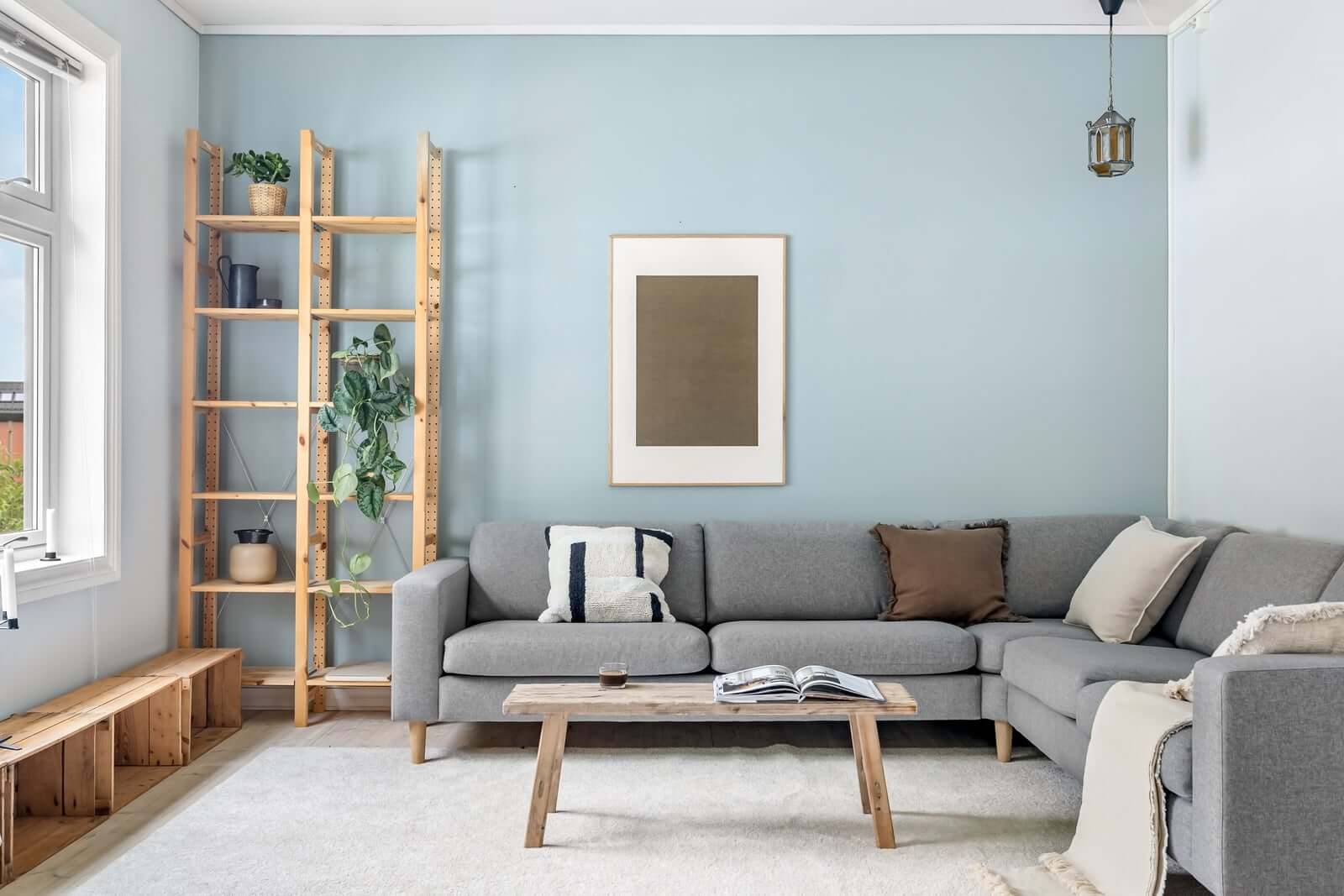
Set a timer and choose your order
Before you start, set a timer for twenty minutes. A visible countdown keeps the task bounded. You are not cleaning the whole apartment; you are doing a short, focused pass.
A practical order is: surface first, clutter second, refresh third, comfort last. Working from the most visible area outward means the biggest visual change happens early, which makes the remaining minutes feel easier. If you only have energy for part of the routine, the first two steps will still make a difference.
Minutes 1–5: Clear one visible surface
Pick one surface you see the most. In a small apartment, that is often the kitchen counter, the coffee table, or the entryway shelf. Choose the one that bothers you most when you walk in the door.
Clear it completely, even if only for a moment. Move what belongs elsewhere to a single staging spot, such as a tray or a chair, rather than running each item to its final home one at a time. Wipe the surface with a damp cloth if it needs it. Then put back only what genuinely lives there: a lamp, a bowl, a plant, the items you use daily.
If your surface is a catch-all for mail and keys, give those items a small, defined home nearby, such as a shallow box or a hook. The point is not to create a storage system; it is to make the surface easy to clear again next week.
If you are short on time: clear just one end of the counter or one side of the table. A partly cleared surface still changes how the room reads.
Minutes 6–12: Deal with everyday clutter
Everyday clutter is the small, ordinary stuff that accumulates without anyone deciding to keep it: receipts, packaging, stray socks, cups, chargers, and paper. This step is about volume, not organization.
Walk through the main room with a bag or basket. Put obvious trash and recycling directly where they belong. Collect items that have drifted from their homes and return them in one pass. If something has no home, put it in a small “decide later” box rather than spending minutes deliberating over it now.
Then handle the dishes. If there are only a few, wash them. If there is a full sink, load the dishwasher or wash what fits in five minutes and leave the rest. A cleared sink does more for the feel of a small kitchen than almost anything else.
Finally, take out any trash that is full or smells. This is a small action with an outsized effect on how a compact space feels.
If you are short on time: do the trash and the dishes only. Those two tasks remove most of the everyday friction.
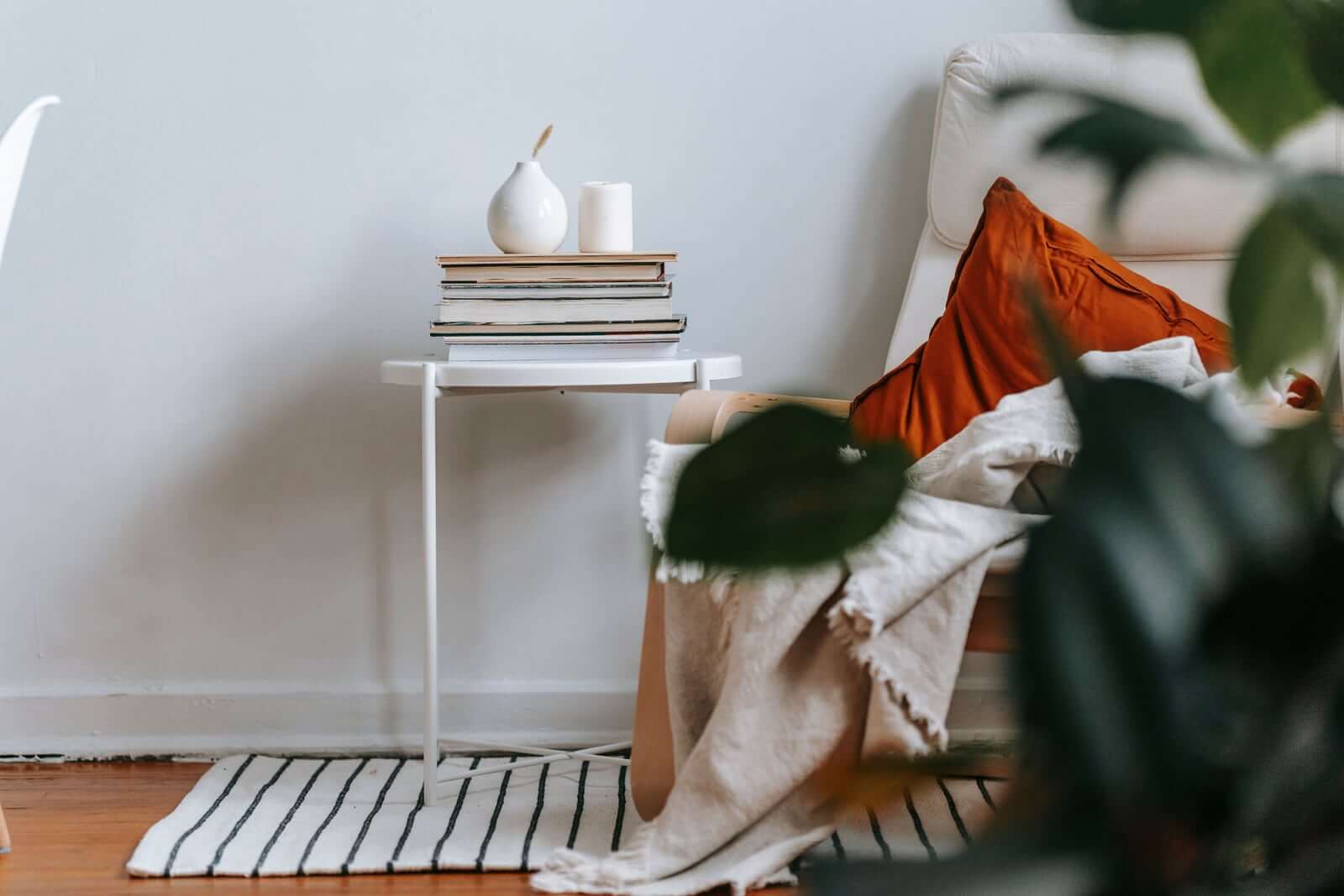
Minutes 13–17: Refresh the living space
Refreshing is not cleaning. It is the small reset that makes a room feel aired out and cared for.
Open a window for a few minutes if the weather allows. Fluff the cushions and fold or drape the throw blanket. Straighten the rug with your foot. If you have a minute left, sweep or spot-vacuum the most visible patch of floor, especially near the entry or under the coffee table.
Light matters more than people expect in a small space. If you have a lamp, turn it on instead of the overhead light. If you have a candle or a diffuser you already own, this is a reasonable moment to use it, but it is optional. The point is to shift the room from “daytime accumulation” to “evening rest.”
If you are short on time: open the window, fluff the cushions, and turn on one lamp. That is enough.
Minutes 18–20: Prepare one small comfort for the week
End the reset by setting up one small thing that will make the coming week feel easier or kinder. Choose something modest and specific:
- Set out tomorrow's clothes, or at least decide on them.
- Fill a water bottle and put it in the fridge.
- Prepare a simple breakfast or lunch component, such as overnight oats or a washed piece of fruit.
- Lay out a book, a notebook, or whatever you use to wind down.
- Put a fresh towel in the bathroom or smooth the bedding.
One comfort is enough. The purpose is not to optimize your week; it is to leave a small signal that you thought ahead for yourself. That signal is often what makes a home feel comfortable rather than merely tidy.
Make it repeatable, not perfect
A reset only helps if it is easy to repeat. Keep the routine flexible: if Sundays are busy, try Monday evening or Saturday morning. If twenty minutes feels long, do ten. If you live with others, assign each person one step or do the first two steps together.
Some weeks the apartment will still look lived-in afterward, and that is fine. Small homes are not showrooms. The aim is a visible surface you can use, a floor you can walk across, and one small comfort waiting for you at the start of the week.
Twenty minutes, once a week, is a gentle way to keep a small space from becoming a source of stress. It will not transform your home, and it does not need to. It just gives you a slightly calmer place to come back to.