
Dinner is over. The plates are empty, the conversation is winding down, and the kitchen… well, it looks like a small tornado passed through. There’s a stack of dishes by the sink, a few containers of leftovers on the counter, and crumbs scattered like confetti. The last thing anyone wants to do is spend another hour cleaning. But leaving it all until morning makes the next day start on a chaotic note.
Here’s a simple, realistic plan to reset a small kitchen after a family dinner in about ten minutes. No fancy gadgets, no marathon scrubbing—just a quick sequence that gets the room back to calm and sets you up for an easier breakfast. And it works even better if you get others involved.
Minute 1–2: Clear the Counters
Start by grabbing everything that doesn’t belong on the counter and putting it where it goes. Leftover ingredients back in the fridge, the butter dish in its spot, the salt and pepper back on the shelf. Don’t worry about wiping yet—just clear the clutter. Hand each person their own plate and glass to carry to the sink. Even young kids can manage that. The goal is to get the countertops visible again so you can actually clean them.
Minute 3–4: Load the Dishes
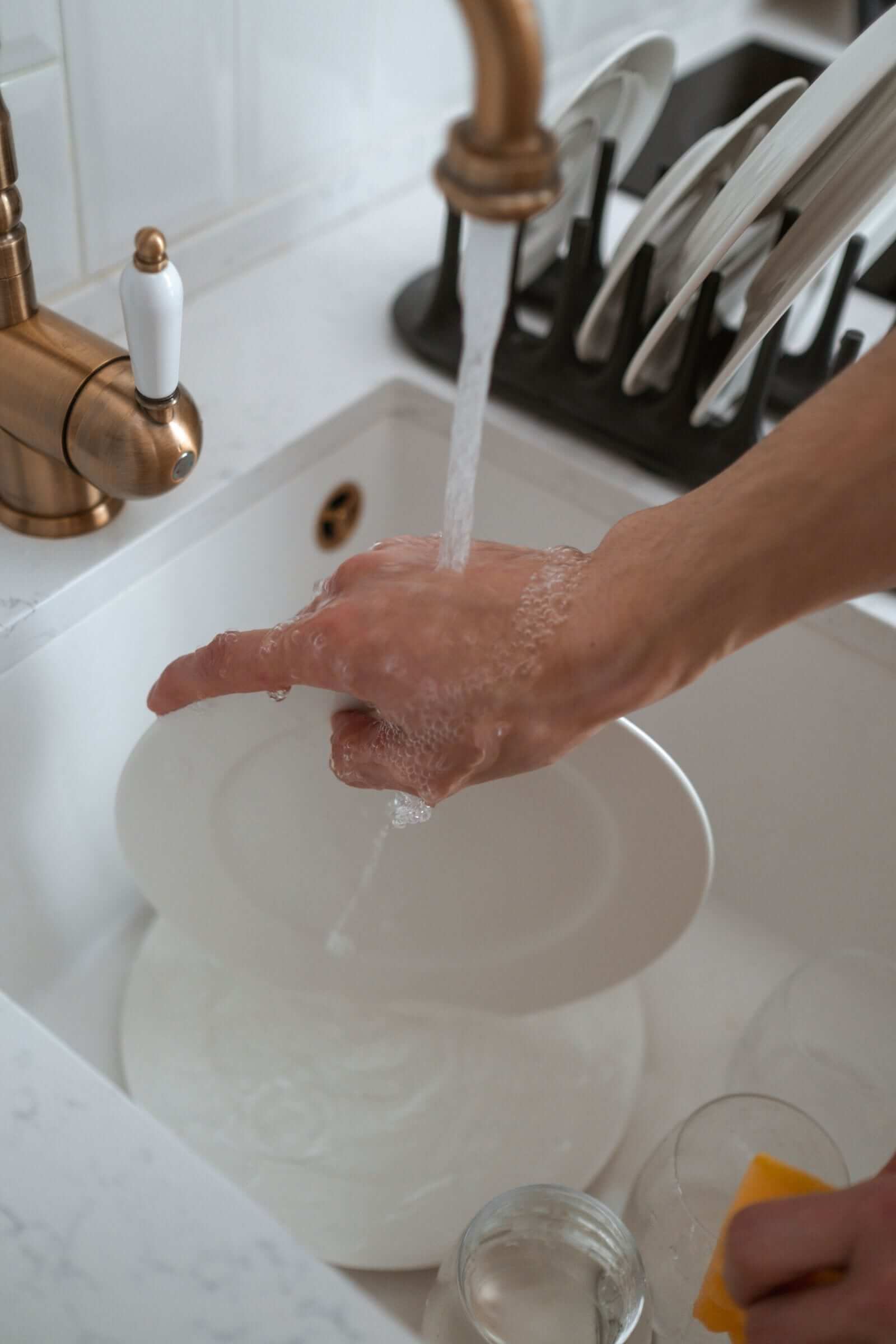
If you have a dishwasher, this is a two-person job: one person rinses, the other loads. If you’re washing by hand, fill the sink with hot soapy water and let the dishes soak while you do the next steps. Either way, stack like with like—plates together, bowls together, cutlery in a mug or basket. Don’t stress about perfect arrangement; the point is to get everything off the counter and into the sink or dishwasher. If someone else is around, ask them to handle the glasses and mugs while you deal with the plates.
Minute 5–6: Deal with Leftovers
Leftovers can be the trickiest part. Have a small stack of containers ready (or use what you have). Quickly transfer food into containers, label if you’re feeling ambitious, and put them in the fridge. If something is unlikely to be eaten, compost it or toss it now rather than letting it linger. This step also frees up serving dishes, which can go straight to the sink. If another person is helping, they can handle the fridge while you finish the dishes.
Minute 7–8: Wipe Surfaces
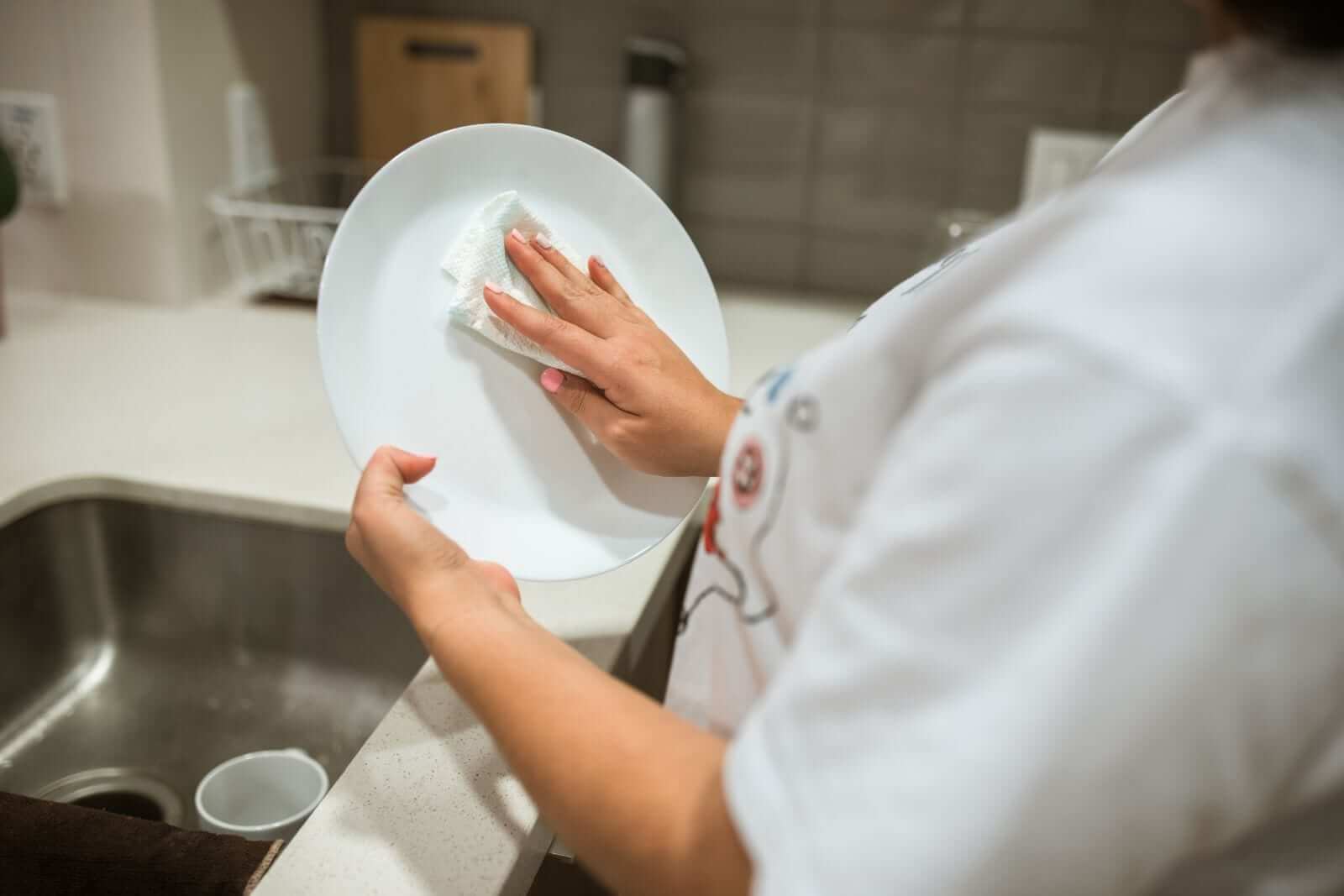
With the counters clear, grab a damp cloth or sponge and wipe down the main work areas—counters, table, and any sticky spots on the stove. A quick spray of all-purpose cleaner helps, but warm water alone often does the trick. Don’t forget the handles and the spot where the kids sat. If someone else is still around, hand them a dry cloth to follow behind and dry the surfaces. This is a quick once-over, not a deep clean.
Minute 9–10: Set Up for Breakfast
This is the step that makes tomorrow easier. Before you leave the kitchen, take a minute to set up for breakfast. Fill the kettle or coffee maker, set out bowls and spoons, and put cereal or bread where it’s easy to reach. If you have a morning routine, prep what you can—cut fruit, make overnight oats, or simply stack the breakfast dishes together. This small effort means the morning won’t start with a scavenger hunt.
Involve Others Without the Nagging
A ten-minute reset works best as a team effort, but it doesn’t have to feel like a chore assignment. Try these low-friction ways to get everyone involved:
- Assign simple, age-appropriate tasks. Young children can carry their own plates to the sink or wipe the table with a damp cloth. Older kids can load the dishwasher or put leftovers away.
- Make it a race. Set a timer for ten minutes and see if the family can beat it. Keep the mood light—this isn’t about perfection.
- Lead by example. Start clearing your own dishes and others will often follow. A simple “Can you grab the glasses?” works better than a lecture.
- Turn on music. A favorite song can make the ten minutes fly by and signal that it’s cleanup time.
- Praise the effort. A quick “Thanks for helping—that was fast!” reinforces teamwork and makes the next reset easier.
The after-dinner kitchen reset isn’t about achieving a spotless showroom. It’s about creating a calm, functional space that makes the rest of the evening and the next morning feel smoother. Ten minutes of focused, shared effort is all it takes. And once it becomes a habit, it might even become a natural part of the family’s evening rhythm—a small transition between the bustle of dinner and the quiet of the night.