
A weekend city trip has a way of turning into a checklist. You have two days, maybe forty-eight hours, and a list of neighborhoods, museums, markets, and restaurants that all seem essential. The temptation is to schedule every hour, to make the trip feel efficient. But a plan with no gaps is also a plan with no room to breathe, no room for the accidental discovery, and no room for the simple fact that travel is tiring.
Leaving free time in a travel plan is not about being lazy or unprepared. It is a deliberate design choice. The question is how to do it well: how much blank space to leave, where to put it, and what to do when the blank space gets filled by something you did not plan for.
Decide how much blank space you actually need
The first step is to be honest about the rhythm of your weekend. A short city trip usually has four or five usable blocks per day: morning, late morning, afternoon, late afternoon, and evening. If you fill every block, you will be moving constantly. That works for some people, but most travelers benefit from at least one open block per day.
A practical starting point is to leave one block open each morning and one block open each afternoon. That does not mean you have nothing to do; it means you have nothing scheduled. You might use that time to linger over breakfast, wander into a side street, or simply sit in a park. The point is that the time is yours, not the itinerary's.
For a two-day trip, that usually means four open blocks total. If your trip includes a major anchor like a museum you have booked in advance, you might leave the block right after it open, because that is when you are most likely to want a break. If your trip is more relaxed, you might leave a whole afternoon open and plan nothing else.
The key is to decide the amount before you start filling the schedule. If you wait until the end, the free time will be whatever is left over, which is usually nothing.
Choose where the blank space goes
Not all free time is equal. A blank hour in the middle of a busy shopping district is different from a blank hour near a quiet canal. The placement matters as much as the amount.
Put free time after high-effort activities. If you have a morning of walking through a large museum, the next block should be open. You will be tired, and you will want to sit down, eat something, or simply stop making decisions. Scheduling another museum right after is a recipe for burnout.
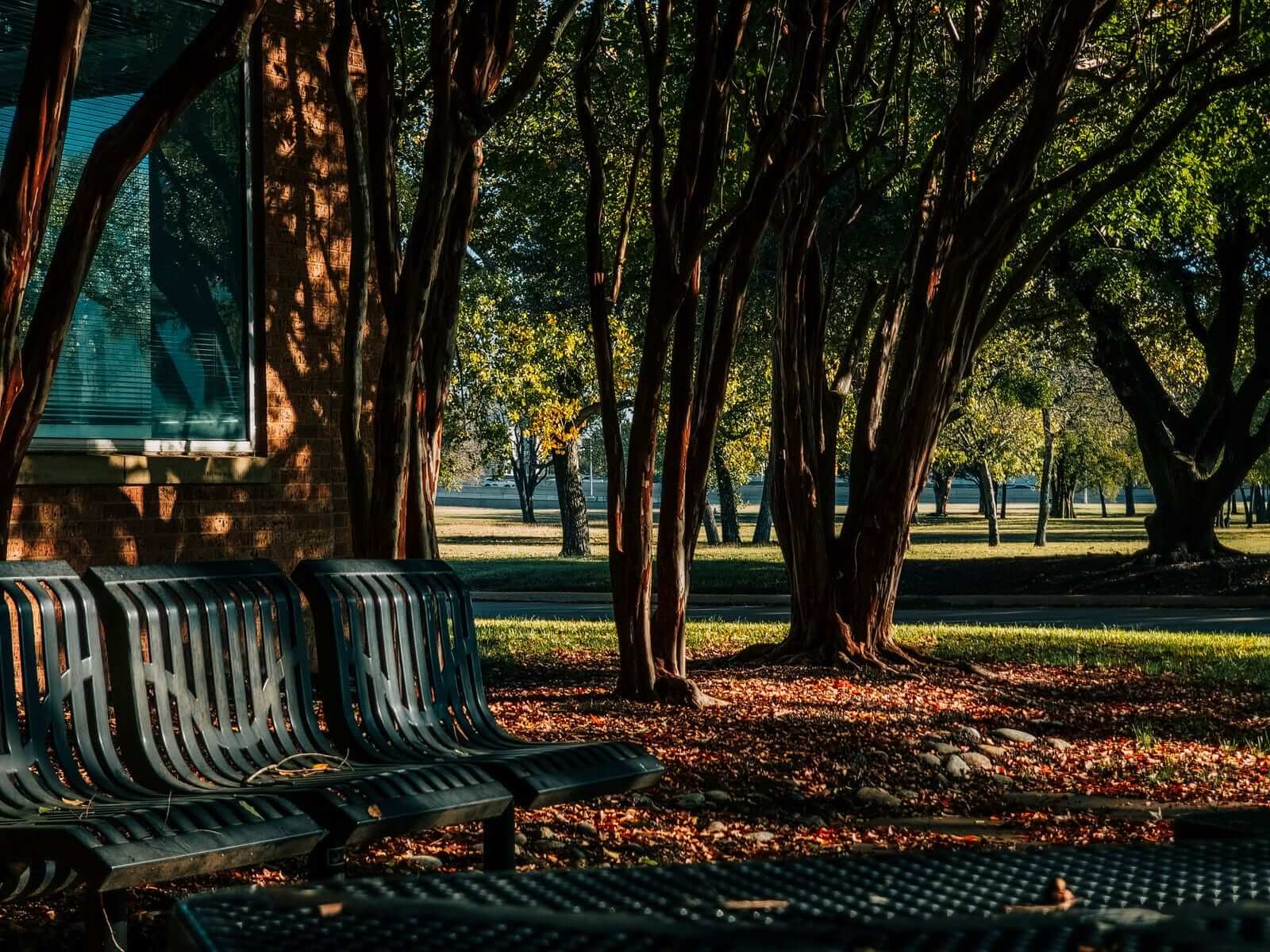
Put free time near places where you can actually do nothing. A park bench, a café with outdoor seating, a riverside path, a public square. If the blank block is in an area with nothing but office buildings, you will end up walking in circles or going back to the hotel. The free time should have a natural place to land.
Avoid putting free time at the very end of the day unless you know you will use it. An open evening sounds nice, but if you are already tired, you might just go back to the hotel and feel like you wasted it. Better to leave the evening open only if you have a flexible idea of what you might do, like trying a restaurant you have not booked.
Finally, do not cluster all the free time together. Two open blocks back to back can feel like too much, especially on a short trip. Spreading them out gives you a chance to recover between activities and keeps the trip feeling balanced.
When the blank space gets filled, decide what to drop
The most common problem with free time is that it does not stay free. You are walking through a neighborhood, you see a sign for a small gallery, and suddenly your open afternoon has a plan. Or a friend recommends a restaurant that requires you to go across town. Or you simply decide that you want to keep exploring instead of sitting down.
That is not a failure. It is the point. But it does require a decision: what are you willing to give up?
If you fill a free block with something spontaneous, you need to protect the rest of the plan. That means saying no to something else. If you spend the afternoon in a gallery, you might skip the second museum you had planned for the evening. If you take a long lunch, you might drop the walking tour. The free time is not extra time; it is time you already decided to leave open. When you fill it, you are making a trade.
The simplest rule is to treat the spontaneous activity as a replacement, not an addition. If you add it on top of everything else, you will end up with a schedule that is even tighter than the one you started with. If you replace something, you keep the overall shape of the trip intact.
It also helps to have a short list of things you are willing to drop. Before the trip, identify one or two activities that are nice-to-have rather than essential. When the free time gets filled, those are the first to go. This way, you are not making a difficult decision in the moment; you already decided.
The plan is the frame, not the picture
A travel plan with free time is not an incomplete plan. It is a plan that acknowledges you are a person, not a machine. You will get tired. You will get curious. You will want to sit down. The blank blocks are there to absorb those moments without breaking the rest of the schedule.
So when you build your next weekend itinerary, start with the anchors: the one or two things you really want to do. Then look at the remaining blocks and deliberately leave some empty. Decide how many, decide where, and decide in advance what you will drop if something better comes along. The result is a trip that feels less like a checklist and more like a weekend.