
You finish work, deal with dinner, laundry, and the dozen small tasks that keep a household running, and by the time you sit down the evening is gone. The guitar sits in the corner. The sketchbook is somewhere in a drawer. You keep telling yourself you'll get to it when things calm down, but the week fills up again and again. This is not a time-management failure. It is what happens when work and chores expand to fill whatever space they are given. The practical answer is not to find more hours, but to make the hours you already have easier to use for the things you actually enjoy.
Break the hobby into small pieces
One reason hobbies get pushed aside is that we imagine them as long, uninterrupted blocks. A two-hour painting session sounds wonderful and also impossible on a Tuesday night. But most hobbies have smaller units inside them. If you like to draw, a fifteen-minute sketch of what's on your desk still counts. If you like to read, a few pages during lunch is reading. If you play an instrument, running through one scale or one short piece keeps your hands and ears in the habit.
The point is to stop treating the hobby as an all-or-nothing event. Decide what the smallest meaningful version looks like for you, and let that be a valid way to practice. A week of four short sessions is not a lesser version of one long session; for many people it is more sustainable, because it fits into the gaps that already exist.
Put a fixed window in the calendar
Small sessions still need a place to happen. If you wait for a free moment, the moment will be filled by something else, usually a screen. Choose one or two windows in the week and treat them as appointments. They do not need to be long. Wednesday evening after the kitchen is cleaned up, or Saturday morning before the errands start, can work. What matters is that the time is named in advance and attached to a specific day.
Be realistic when you choose the window. If you know you are exhausted on Monday nights, do not schedule your hobby then. Pick a slot when you usually have a little energy left, even if it is only thirty minutes. A window you can actually keep is worth more than an ambitious one you skip every week.
Use the fragments you already have
Busy weeks are full of small gaps: waiting for a pot to boil, sitting on public transport, the ten minutes before a meeting starts, the pause while a load of laundry runs. These fragments are easy to dismiss because they feel too short to matter. But they add up, and they are often already free.
Keep something related to your hobby within reach for these moments. A book in your bag, a notebook in your pocket, a small instrument near the sofa. The goal is to make the fragment usable without setup. If your hobby needs equipment that lives in a cupboard, the fragment will pass before you get it out. If it is already beside you, you might use it.
Lower the starting cost
Most of the friction around hobbies is not the hobby itself but the preparation. Finding the tools, clearing a surface, locating the right cable, setting everything up, and then putting it all away again can take longer than the activity. That friction is enough to make you choose the sofa and the phone instead.
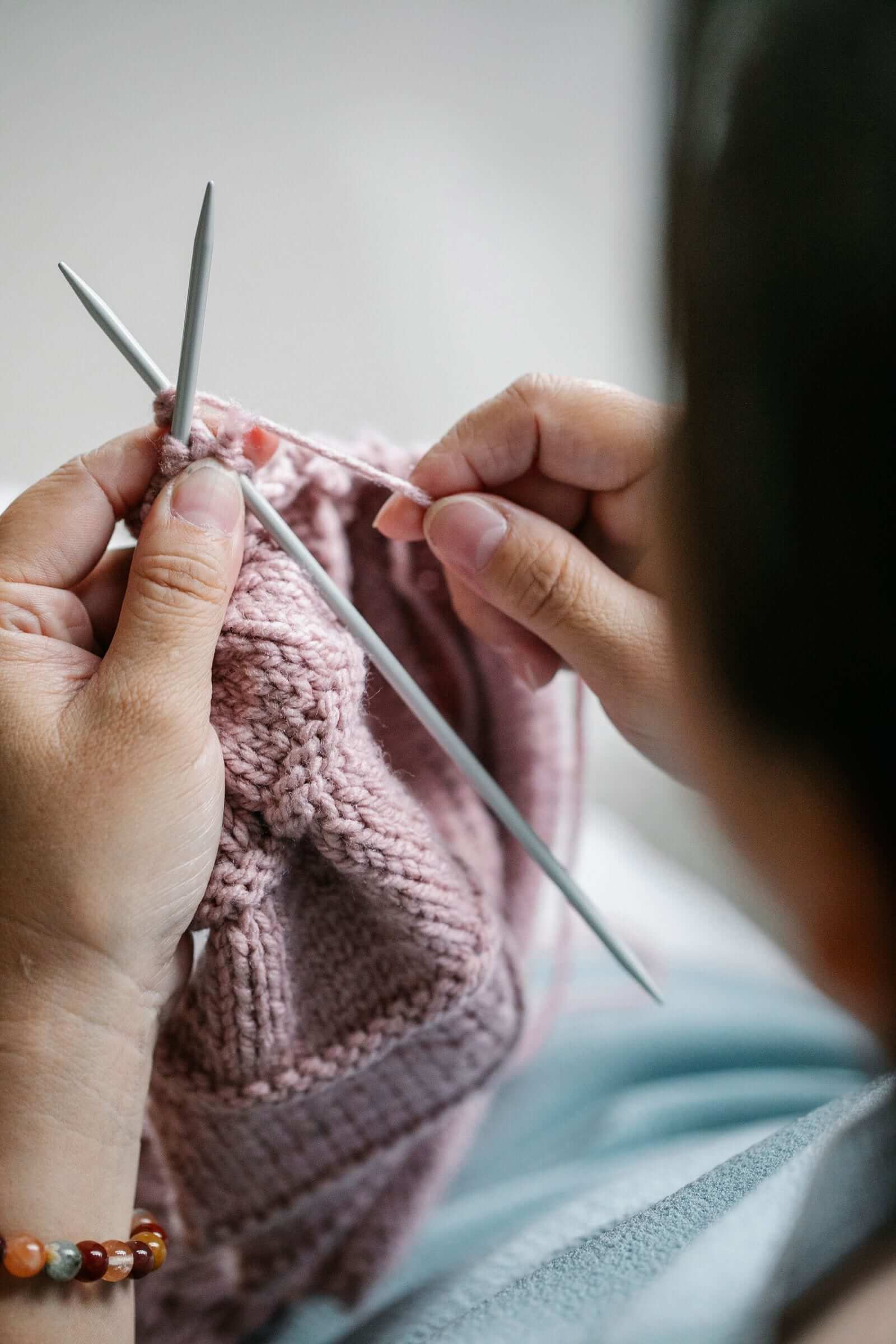
Reduce the setup as much as you can. Leave the sketchbook open on the table with a pencil next to it. Keep the knitting in a basket by your chair. Have the running shoes by the door. If you use a digital tool, keep the file or app easy to reach rather than buried in folders. The point is not to create a perfect studio; it is to make the first minute of the hobby as close to zero effort as possible.
Cut back on the screen time that quietly eats the evening
Many busy people do have a little time, but it disappears into scrolling. This is not a moral failing, and it is not solved by harsh rules. It is simply worth noticing. If you open your phone after dinner and look up forty minutes later, that was a slot your hobby could have used.
Try a gentle swap rather than a ban. Put the phone in another room while you do the hobby, or set it face down and out of reach. You do not need to eliminate screen time; you just need to stop it from being the default filler for every gap. Even reclaiming two evenings a week makes a difference.
Negotiate the time with the people you live with
If you share a home, your time is not entirely your own, and pretending otherwise leads to resentment. A short conversation helps: explain that you want a regular window for something you enjoy, and ask what would make that workable for everyone. It might mean trading an evening chore, agreeing that one night's dinner is simple, or taking turns watching the children.
Be specific and fair. Ask for a window you can realistically protect, and offer one in return. The goal is not to claim a large block of solitude but to make the household rhythm include your hobby as a normal thing rather than a selfish exception.
Accept uneven progress
Some weeks will go well and some will not. A busy period at work, a sick child, or a run of late nights can wipe out your hobby time entirely. That does not mean the plan failed. It means the week was full.
The useful response is to expect unevenness from the start. Do not measure success by whether you did the hobby every day. Measure it by whether you came back to it after the gap. A hobby you return to after two weeks off is still a hobby; one you abandon because you missed a few sessions is not.
Review the week once, briefly
At the end of the week, take five minutes to look back. Which window actually happened? Which one got swallowed by something else? Was the setup still too annoying? Did a particular fragment of time work better than expected?
This is not a performance review. It is a small adjustment. Move a window, change what you keep within reach, or pick a smaller version of the hobby for a crowded week. Then try again. Over a few weeks, the schedule settles into something that fits your real life rather than an ideal version of it.
Making room for hobbies in a busy week is less about efficiency and more about lowering the barriers. Break the activity into small pieces, protect a modest window, use the gaps, keep the tools ready, and let the progress be uneven. None of this will create a free afternoon out of nowhere. But it can turn a hobby you keep postponing into something you actually do, even in a week that feels full.