
A day trip doesn’t have to mean a 5 a.m. alarm, a packed itinerary, or hours on the highway. Sometimes the best way to break out of a routine is to stay close to home—within an hour or two by car—and give yourself permission to take it easy. The goal is simple: enjoy a change of scenery without turning the day into a race. Here’s how to plan a relaxed day trip that feels refreshing, not exhausting.

Choose a destination that matches your energy
Start by thinking about what “relaxed” means to you. It might be a quiet park with walking trails, a small town with a few cafés and shops, a lakefront beach, or a scenic drive with overlooks. The key is to pick a place that doesn’t require a lot of planning or rushing once you arrive. Avoid destinations that demand timed tickets, long queues, or a checklist of must-see spots. A good rule of thumb: if you can’t picture yourself sitting still for at least half an hour without feeling like you’re missing out, it’s probably not the right fit for a slow day.
Also consider the drive itself. A destination that’s 60 to 90 minutes away on easy roads is often more relaxing than one that’s 45 minutes but involves heavy traffic or complicated parking. Look for places with straightforward access and, ideally, options to park once and wander on foot.
Set a loose departure and return time
One of the biggest traps of a day trip is over-scheduling. Instead of fixing a precise departure time, aim for a window—say, between 9 and 10 a.m. That gives everyone time to wake up naturally, have breakfast, and pack without stress. Similarly, decide on a rough return time that leaves room for an unhurried evening at home. For example, plan to head back in the late afternoon, around 4 or 5 p.m., so you’re not driving in the dark or feeling rushed to get dinner on the table.
The point is to have a frame, not a rigid schedule. If you leave a little later or come back a little earlier, that’s fine. The day still works.
Build in buffer time
Buffer time is what turns a good day into a relaxed one. Add at least 15 to 30 minutes on either side of your drive for unexpected delays—a slow start, a wrong turn, or a sudden desire to stop for coffee. Also leave buffer within the day itself: don’t plan back-to-back activities. If you’re visiting a town, pick one or two things you’d like to do and leave the rest open. If you’re going for a hike, choose a shorter trail than you think you can handle, so you have time to rest at a viewpoint or simply enjoy the quiet.
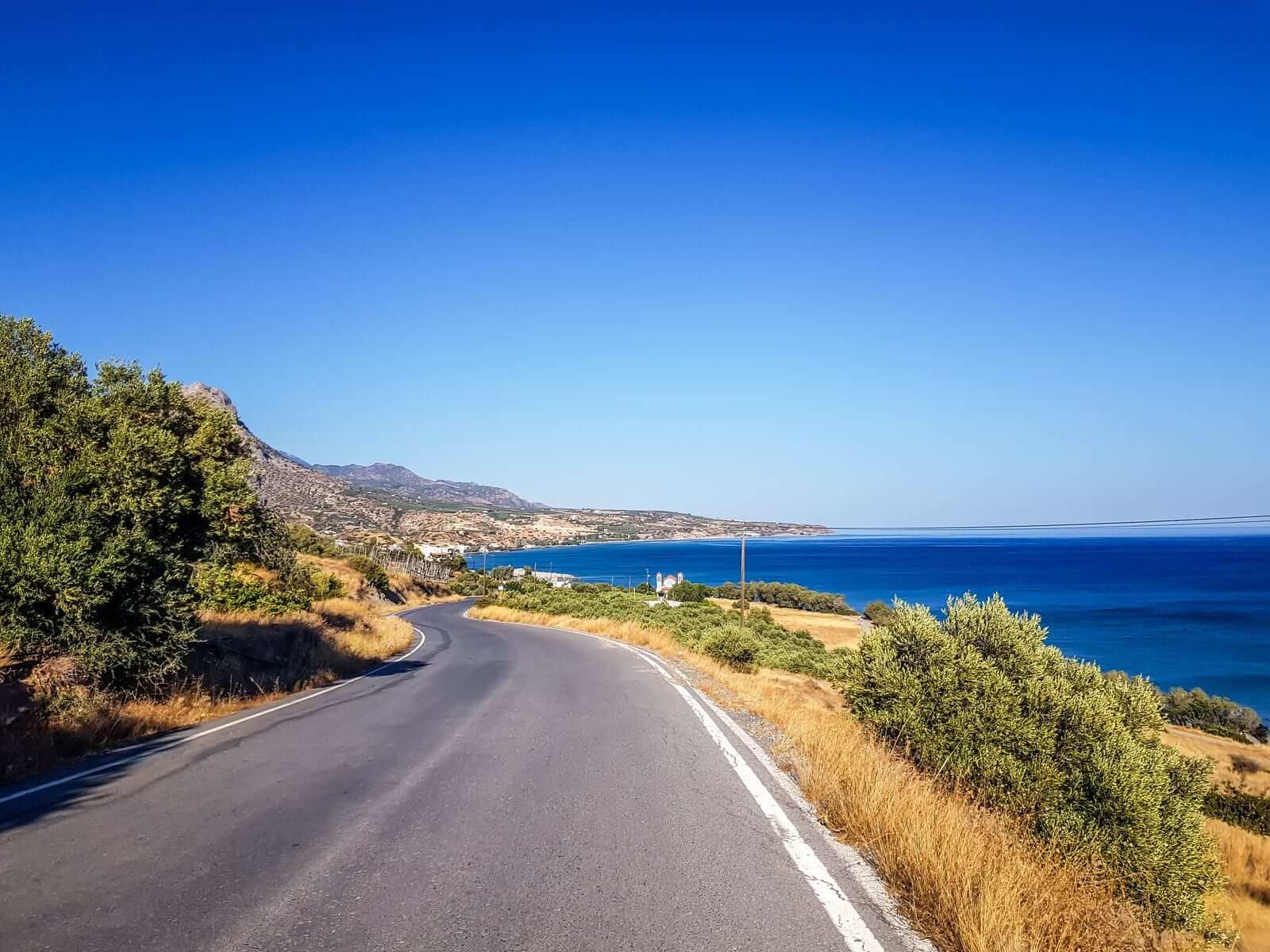
Buffer time also means not treating the drive as wasted time. A scenic route or a podcast can make the journey part of the experience rather than a chore.
Pack only the essentials
A relaxed day trip doesn’t require a suitcase. Bring a small bag with the basics: water, snacks, sunscreen, a hat, a light jacket, and any medications you might need. If you’re planning to walk or hike, comfortable shoes are a must. A phone charger or a power bank can be handy, but don’t overpack. The more you bring, the more you have to keep track of—and the more likely you are to feel weighed down.
Consider bringing a refillable water bottle and a few easy snacks like fruit, nuts, or granola bars. These help you avoid getting hangry and making impulsive decisions. If you’re visiting a town, you can always buy lunch locally, which supports small businesses and keeps your load light.
Avoid an overstuffed itinerary
This is the most important rule: resist the urge to fill every hour. A relaxed day trip should have room for spontaneity—a detour to a farm stand, an extra loop around a park, or simply sitting on a bench doing nothing. Plan for one main activity, maybe two if they’re close together and low-key. For example, a morning walk followed by a leisurely lunch, or a visit to a small museum and then a stroll through a nearby neighborhood.
Leave space for downtime. If you find a nice spot, stay there longer than you planned. The best moments often come when you’re not trying to stick to a schedule.
Embrace the slow pace
Finally, remind yourself that the purpose of the day is to relax, not to accomplish. Turn off the urge to optimize. If you don’t see everything, that’s okay. If you spend an hour reading by a lake, that’s a success. The point is to come home feeling like you had a break, not like you need another day off to recover.
A relaxed day trip close to home is about lowering the stakes and raising the comfort level. Pick a nearby spot, set a loose timeframe, leave room for the unexpected, pack light, and don’t overplan. Do that, and a simple Saturday can feel like a genuine escape—without the hassle of a big trip.