
A half-day outing with kids can be one of the simplest pleasures of family life—a trip to the park, a morning at the beach, a few hours at a nearby playground or nature trail. It can also become a comedy of errors if you haul along a bag the size of a small suitcase and spend the whole time digging through it. The good news is that packing light for a short outing is a skill, not a mystery. It comes down to matching what you bring to how long you'll be gone, what you'll actually be doing, and what the weather is likely to do while you're out.
Start With the Clock, Not the Closet
The single most useful question to ask before you pack is: how long will we really be out? A two-hour trip to the local playground and a five-hour excursion to a lake are different events, even though both count as "short." Let the duration set the size of your bag.
For anything under two hours, you can often get away with a small backpack or even a tote. For three to five hours, a modest daypack is plenty. The trap is packing for the longest possible version of the outing "just in case." If you're gone for two hours, you do not need a full change of clothes for every child, a stack of books, and three snack options. You need water, a snack, and a plan for the most likely small mishap.
A helpful habit is to decide the return time before you leave. Knowing you'll be home by lunch or before dinner makes it easier to resist the urge to bring everything.
Match the Bag to the Activity
What you bring should follow from what you'll be doing, not from a generic checklist. A few examples:
- Playground or park: water, a light snack, sunscreen if it's sunny, and maybe a small ball or bubbles if your kids need a nudge to play. You probably don't need chairs, a blanket, or a full picnic setup for a quick visit.
- Beach or splash pad: towels, a change of clothes for each child, water, and sun protection. Leave the sand toys at home unless your kids will genuinely use them—many children are happy with a bucket and their hands.
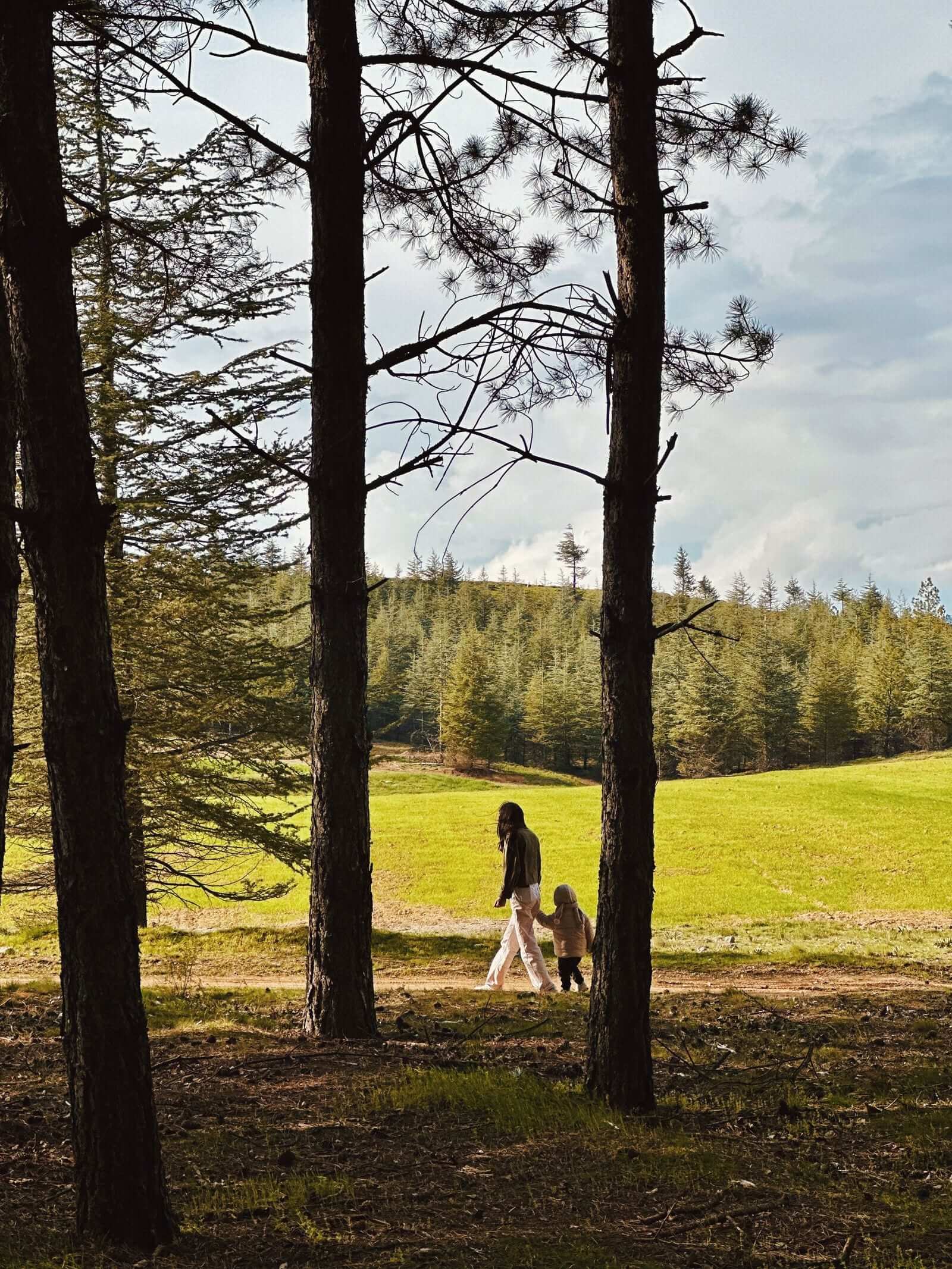
- Short hike or nature walk: water, snacks, a basic first-aid item or two, and layers depending on the weather. Skip the heavy gear unless the trail demands it.
- Errands with a stop at a playground: one small bag with water, a snack, and wipes is usually enough.
The point is to picture the actual outing and pack for that, not for an imaginary emergency expedition.
Pack Only What You Will Really Use
A simple test for each item: will we use this in the next few hours? If the answer is "maybe" or "someday," leave it home. For a half-day outing, the genuinely useful core tends to be small:
- Water for each person, in bottles you can refill or that are sized for the trip.
- One snack per child, ideally something that travels well and doesn't create a mess.
- Sun protection—hats and sunscreen—if you'll be outside in bright weather.
- Wipes and a small cloth for hands, faces, and small spills.
- A light layer if the forecast is uncertain or you'll be in shade or near water.
- One small comfort item per child, such as a favorite small toy or a book, if your kids need it to settle.
Notice what's not on the list: multiple outfit changes, a full pharmacy, entertainment for every possible mood, and heavy gear. For a few hours out, you can usually improvise. A child who gets a little muddy can be cleaned up at home. A child who gets bored can be encouraged to run, climb, or look for leaves.
Leave Room for Weather and the Unexpected
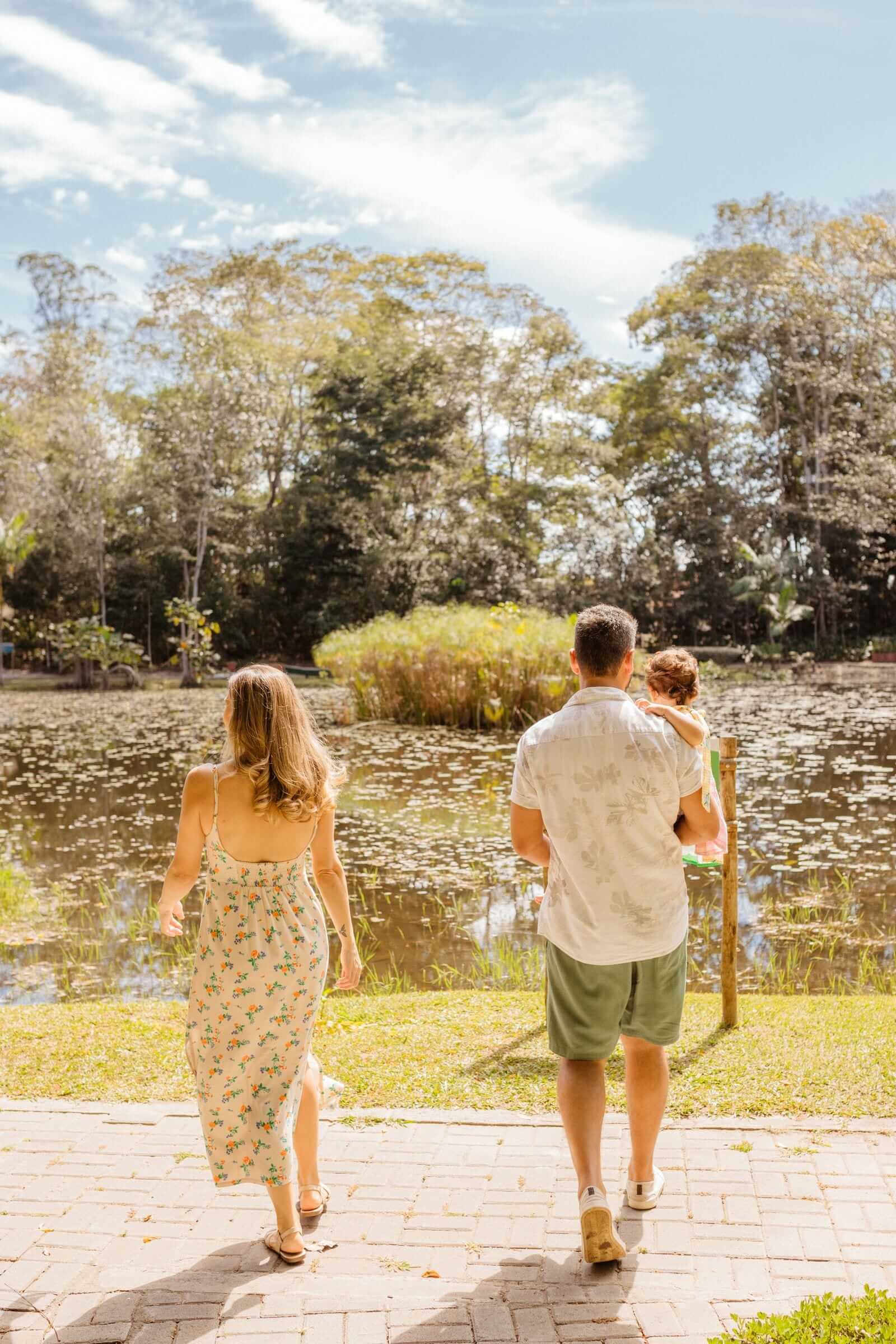
Packing light doesn't mean ignoring the forecast. It means bringing a little flexibility instead of a lot of stuff. Check the weather the morning of the outing and adjust:
- If rain is possible, bring one small umbrella or a light rain jacket rather than full rain gear for everyone.
- If it's hot, prioritize water, hats, and shade rather than extra clothes.
- If it's cool or windy, add a layer you can shed and carry easily.
For the unexpected, a tiny kit goes a long way: a couple of adhesive bandages, a small pack of wipes, and a plastic bag for anything wet or messy. That's usually enough for a half-day trip close to home. You don't need to prepare for every scenario—you just need to handle the common ones and know you can head home if something bigger comes up.
Let the Kids Carry a Little
One of the easiest ways to avoid overpacking is to share the load. Older children can carry their own water bottle and a small snack in a lightweight backpack. This teaches them to manage their own things and keeps your bag smaller. For younger children, a small item they can hold—a hat, a toy—can be enough of a job. The goal isn't to make kids into pack mules; it's to distribute the basics so no one is carrying a heavy bag for a short trip.
A Simple Pre-Departure Routine
A quick routine can keep packing light without last-minute panic. Before you leave, run through a short mental list:
- How long are we gone?
- What will we be doing?
- What's the weather doing?
- Does everyone have water and a snack?
- Is there one small item for messes or minor bumps?
If you can answer those questions and your bag matches the answers, you're ready. Anything beyond that is probably extra.
The Freedom of a Lighter Bag
Packing less for a short outing isn't about deprivation. It's about making the trip easier. A lighter bag means less to carry, less to search through, and less to bring home and unpack. It also means you can say yes more easily—to a spontaneous stop at the playground, a detour to the beach, or an extra loop around the trail—because you're not weighed down. For a half-day out with kids, the best packing list is the one that fits the hours you'll actually spend, the activities you'll actually do, and the small surprises you can actually handle. Keep it simple, and the outing stays simple too.