
A small collection can be a genuine pleasure: a row of pressed-glass tumblers, a handful of enamel pins, a shoebox of postcards from places you have actually visited. It can also, with very little encouragement, turn into a drawer of things you no longer look at and feel vaguely guilty about. The difference between the two is rarely luck. It is a set of decisions made early, before the first purchase, and revisited honestly afterward.
If you are drawn to collecting small objects but wary of the mess that collections seem to attract, the approach below is designed for you. It treats the collection as a deliberately bounded project rather than an open-ended accumulation. The goal is not to own the most, or the best, or the most complete set. The goal is to keep a small group of objects that you enjoy looking at, handling, and talking about — and to stop there.
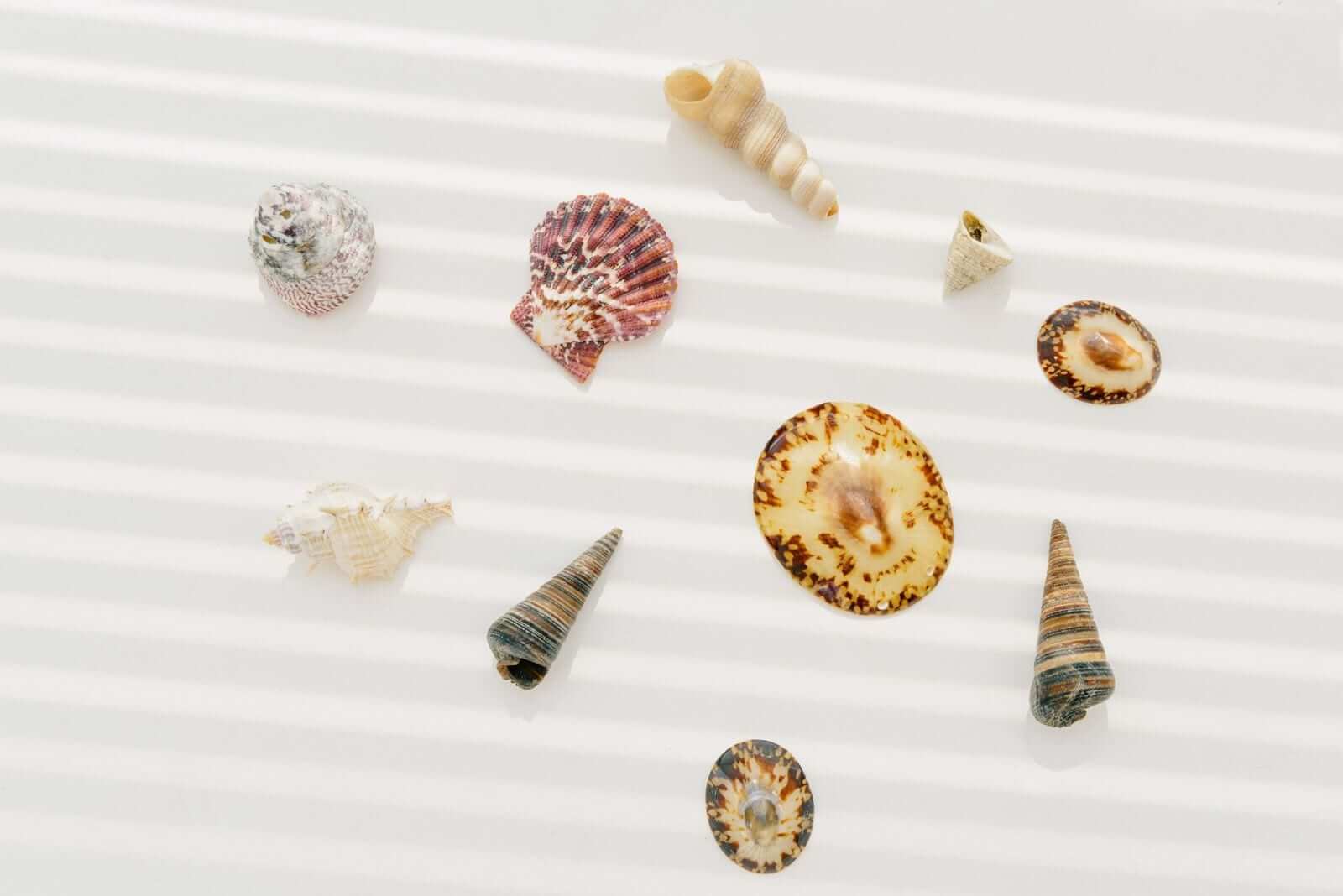
Decide on a boundary before you buy anything
The single most useful thing you can do is define the edges of your collection in advance. A boundary has two parts: a category and a ceiling.
The category should be narrow enough that you can describe it in one sentence. "Vintage matchboxes" is a category. "Small vintage things" is not; it will pull you in a dozen directions and each direction will have its own temptations. Narrow categories are easier to learn about, easier to display, and much easier to say no within. If you find yourself bored by a narrow category, you can widen it later — but widening is a conscious decision, not a drift.
The ceiling is a number. Decide how many pieces your collection can hold, and treat that number as the size of the collection, not a milestone on the way to a bigger one. The number should be small enough that every piece can be seen at once, or nearly so. If you cannot picture where each item will live, the ceiling is too high.
Write both down. A note on your phone is enough. The act of writing makes the boundary real, and it gives you something to check against when you are standing in a shop or scrolling a listing at midnight.
Choose a category that is small in size and large in interest
Since space is the constraint, favor categories where the objects themselves are compact. Postcards, stamps, coins, pins, bookmarks, small ceramics, single-origin tea tins, pressed flowers, ticket stubs, miniature prints, dice, marbles, buttons, keys, and small carved figures all fit comfortably into a shoebox or a single shelf.
But small size alone is not enough. The category should also be interesting to you in a way that does not depend on acquiring more. Ask yourself whether you would enjoy reading about the subject, learning to identify makers or eras, and handling the objects you already own. A collection that is interesting only at the moment of purchase will feel hollow once the novelty fades, and hollow collections tend to be fed with more purchases.
A useful test: if you could never buy another piece, would the ones you have still hold your attention? If the answer is yes, you have probably found a good category.
Set a number and a replacement rule
Once you have a ceiling, adopt a replacement rule: when the collection is full, a new piece can enter only if an existing piece leaves. This keeps the collection at a stable size and forces a comparison. Is the new object genuinely better, or more meaningful, than the one it would displace? Often the answer is no, and the rule saves you from a purchase you would have regretted.
The replacement rule also changes how you shop. You are no longer looking for additions; you are looking for upgrades, which is a much rarer and more deliberate kind of find. It turns browsing from a habit into an occasional, purposeful activity.
If you are not ready for a strict one-in-one-out rule, a softer version works too: allow the collection to grow to its ceiling, then pause all purchases for a set period — a few months, say — and see how you feel. Many people find that the pause itself dissolves the urge to add.

Plan where the collection will live
Decide on the display and storage before the collection outgrows whatever space you have casually given it. A tiny collection should have a home that is visible enough to be enjoyed and contained enough to stay tidy.
A single shelf, a shallow drawer with a divided tray, a small glass cabinet, a shadow box, or a dedicated album all work well. The container matters less than the principle: the collection has one place, and it does not spill beyond it. When the space is full, the collection is full — the container itself becomes the ceiling.
For very small objects, a compartmented box or a set of small labeled envelopes keeps things findable and prevents the slow spread of loose pieces across desks and windowsills. For pieces you want to see, rotate a few into view at a time and keep the rest stored. Rotation gives you the pleasure of rediscovery and keeps the display from becoming visual noise.
Record where each piece came from
A collection of anonymous objects is just a pile. What makes it a collection is the thread of story that connects the pieces to you.
Keep a simple record: what the object is, where and when you got it, what it cost if you are comfortable noting that, and one line about why you chose it. A notebook, an index card per piece, or a plain text file all work. Photograph each piece when it enters the collection and keep the photo with the note.
This record does two things. It preserves the memory that gives the object its value, and it creates a natural checkpoint. Writing "I bought this because it was on sale and I was bored" is clarifying in a way that nothing else is. If you cannot write a satisfying line about why a piece is in the collection, that is useful information.
Review the collection on a schedule
Set a recurring time — once or twice a year is plenty — to take everything out, clean it if needed, and look at it with fresh eyes. Ask three questions of each piece: Do I still enjoy this? Does it still fit the category? Would I choose it again today?
Pieces that fail all three questions should leave. You can sell them, give them to someone who will enjoy them, or donate them. Letting go is not a failure of the collection; it is maintenance. A collection that never sheds anything becomes a sediment, and sediment is what clutter is made of.
The review is also the moment to check your boundaries. Has the category drifted? Has the ceiling been quietly exceeded? Is the storage still working? Adjust as needed, in writing, so the rules stay current.
Interrupt the impulse to buy
Most clutter enters a home through unplanned purchases. Collections are especially vulnerable because browsing is part of the pleasure. A few simple habits keep browsing from turning into buying.
Keep a wish list instead of a shopping cart. When you see something appealing, note it with the date and the reason, and wait. Many items lose their appeal within a week; the ones that do not are worth a second look. Before any purchase, check it against your category, your ceiling, and your replacement rule. If it fails any of the three, it does not come home.
Avoid shopping as a mood repair. If you notice that you browse listings when you are tired, bored, or stressed, treat that as a signal to do something else for twenty minutes. The urge usually passes.
And remember what the collection is for. The pleasure of a tiny collection is in the choosing — the looking, the learning, the deciding — not in the number of objects on the shelf. A collection of twelve pieces you love will give you more satisfaction than a hundred you merely acquired, and it will leave your home calmer than either.