
Cooking three dinners that taste genuinely different — one light, one bold, one kid-friendly — usually means three separate shopping trips in spirit: a bunch of herbs for the light meal, a jar of something spicy for the bold one, a bag of frozen something for the kids. The result is a fridge full of half-used ingredients and a week of repeat purchases.
A better approach is to build the list around a small set of shared staples, then let seasoning, texture, and cooking method do the work of making each dinner feel like its own thing. The list below is designed for exactly that: one trip, three dinners, minimal waste.
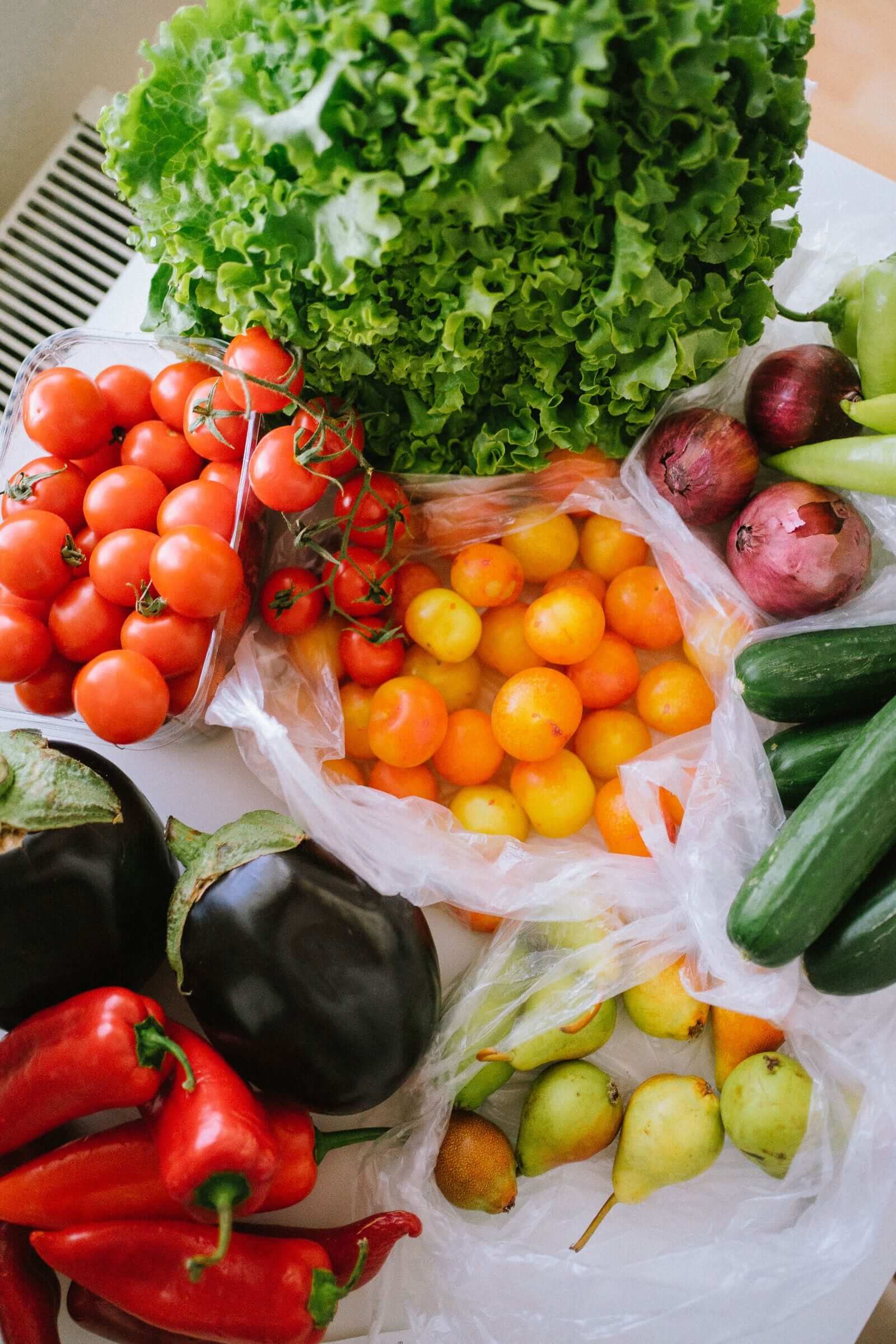
The shared base
Start with ingredients that can move between all three meals without feeling like leftovers repackaged.
- Chicken thighs (boneless, skinless) — forgiving, cheap, and neutral enough to take on any flavor profile.
- Eggs — a backup protein and a kid-friendly fallback.
- Rice and pasta — one grain, one shape; both keep well and cover different textures.
- Canned tomatoes — the backbone of the bold dinner and a useful base for the kid-friendly one.
- Onions, garlic, carrots — aromatics and bulk that work in every direction.
- Frozen peas — cheap, fast, and acceptable to most kids.
- Plain yogurt — a cooling element for the bold meal and a mild sauce for the kid-friendly one.
- Lemons — acid that lifts the light dinner and brightens the other two.
- Olive oil, salt, pepper — assumed pantry items, but worth checking before you shop.
That is a short list. The variety comes from how you split and season it.
Dinner one: light and fresh
The light dinner should feel clean and quick. Use chicken thighs, lemon, garlic, olive oil, and whatever green vegetable you picked up, plus rice.
Roast or pan-sear the chicken with lemon juice, garlic, salt, and pepper. Cook rice plain. Steam or sauté the vegetables with a squeeze of lemon at the end. If you want a sauce, thin some yogurt with lemon juice and a pinch of salt.
This meal uses the shared base but tastes nothing like the other two because there is no tomato, no heat, and no heavy starch coating. It also produces no extra ingredients — the lemon and yogurt carry over.
Dinner two: bold and saucy
This is where the canned tomatoes and aromatics earn their place. Sauté onion and garlic, add the canned tomatoes, and let them cook down with salt, pepper, and whatever dried spice you keep on hand — paprika, cumin, or chili flakes all work. Add chicken thighs cut into chunks and simmer until cooked through. Serve over pasta or rice.
If you have yogurt left, a spoonful on top cools the heat and adds body. Frozen peas can go in near the end for color and bulk without another shopping trip.
This dinner is heavier and more assertive, but it is built from the same onions, garlic, tomatoes, and chicken as the first meal. The only real difference is technique and seasoning.
Dinner three: kid-friendly and mild
Kids often reject strong flavors and mixed textures, so keep this one simple and separate. Cook pasta plain. Cook chicken thighs with just salt and a little olive oil, or shred leftover cooked chicken into the pasta. Add peas. If the child accepts sauce, a small amount of the tomato base from dinner two — set aside before adding spice — can be stirred through. If not, keep the pasta plain with a little butter or olive oil and serve the chicken and peas on the side.
Eggs are the safety net here. If the chicken runs out or the child refuses it, a scrambled egg or a boiled egg alongside plain pasta and peas is a complete meal from the same list.
How the list prevents waste
The key is portioning at the store, not at the stove. Buy chicken in one family pack and divide it into three portions before storing: one for roasting, one for simmering, one for the kid-friendly meal. Do the same with vegetables. The onion and garlic go into the bold dinner and the light dinner; the carrots can be roasted with the light meal or diced into the tomato sauce.
Canned tomatoes are used once, in the bold dinner, but a partial can can be frozen or used in the kid-friendly pasta if the child accepts it. Yogurt is used as a sauce twice and as a cooling topping once. Lemons are used across all three. Nothing in the list is a single-use purchase.
A note on flexibility
The list is a template, not a rule. If your family prefers beef or tofu, swap the protein and keep the structure. If the light dinner feels too plain, add a handful of herbs you already have. The point is not to follow a rigid plan but to shop once with a clear idea of how each item will be used across three different meals.
Three dinners, one list, and a fridge that does not fill up with half-used jars. That is the goal — and it is achievable without special ingredients or a second trip to the store.