
There is a particular kind of pleasure in walking your own neighborhood slowly—not to get anywhere, not to count steps, but simply to see what you have been passing every day. The route is familiar, the destination is your own front door, and the only real goal is a fresh perspective. This is a gentle, practical guide to planning a flexible local loop you can adapt to your mood, the weather, and what your body is comfortable with.
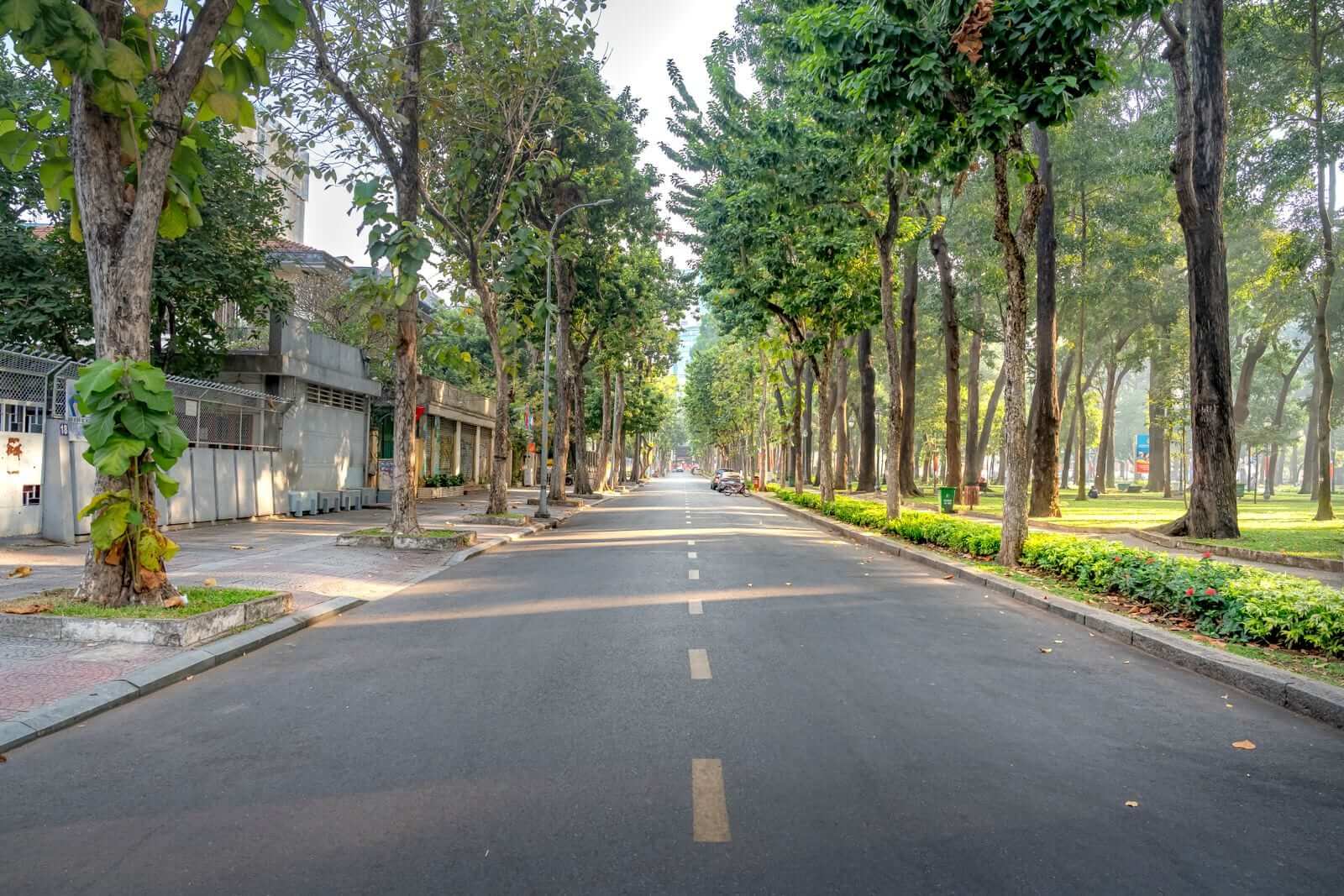
Start With a Route You Can Change
The best neighborhood walk is not a fixed course but a loose framework. Begin by sketching a loop of roughly ten to twenty minutes in each direction, using streets you already know. The point of a loop is that it returns you home without retracing every step, which keeps the walk feeling like a small journey rather than a chore.
Once you have a basic loop, build in choices. Note a few points where you can turn early if the weather shifts or you are short on time, and a few where you can extend the walk if you feel like lingering. A flexible route respects the fact that a walk is meant to fit your day, not the other way around.
A simple way to plan: pick a starting corner, choose three or four streets that connect in a rough circle, and mark one shortcut and one extension. That is enough structure to feel purposeful and enough slack to feel free.
Walk It in the Opposite Direction
The quickest way to refresh a familiar route is to walk it backward. Streets you have only seen while heading one way reveal different views, different front gardens, and different light. A corner that always felt like a boundary becomes a gateway. A wall you passed without noticing becomes a landmark.
Try reversing your loop once a week. You do not need a new route to get a new perspective; you only need to change your direction of travel. This small shift is often the difference between a walk that feels automatic and one that feels like noticing.
Look at the Ordinary on Purpose
Slow walking is mostly a practice of attention. Give yourself a loose theme for each walk—not a checklist, just a lens. One day, look at doors and porches. Another day, look at trees, hedges, or the way gardens are edged. Another day, notice signs, house numbers, or the small repairs and changes that appear over time.
A theme keeps the mind from drifting into errands and to-do lists. It also makes the walk repeatable without becoming boring, because the same street offers different things to see depending on what you are looking for.
You might keep a short note afterward—one line about something you noticed. Over weeks, those lines become a quiet record of your neighborhood and of your own attention.
Plan for Weather Without Overplanning
Weather is the most common reason a walk gets postponed. A little preparation removes most of the friction. Keep a light rain layer and comfortable shoes by the door so a walk is never a project. On hot days, choose the shadier side of the street and walk earlier or later. On cold days, a shorter loop walked briskly is often more pleasant than a long one walked reluctantly.
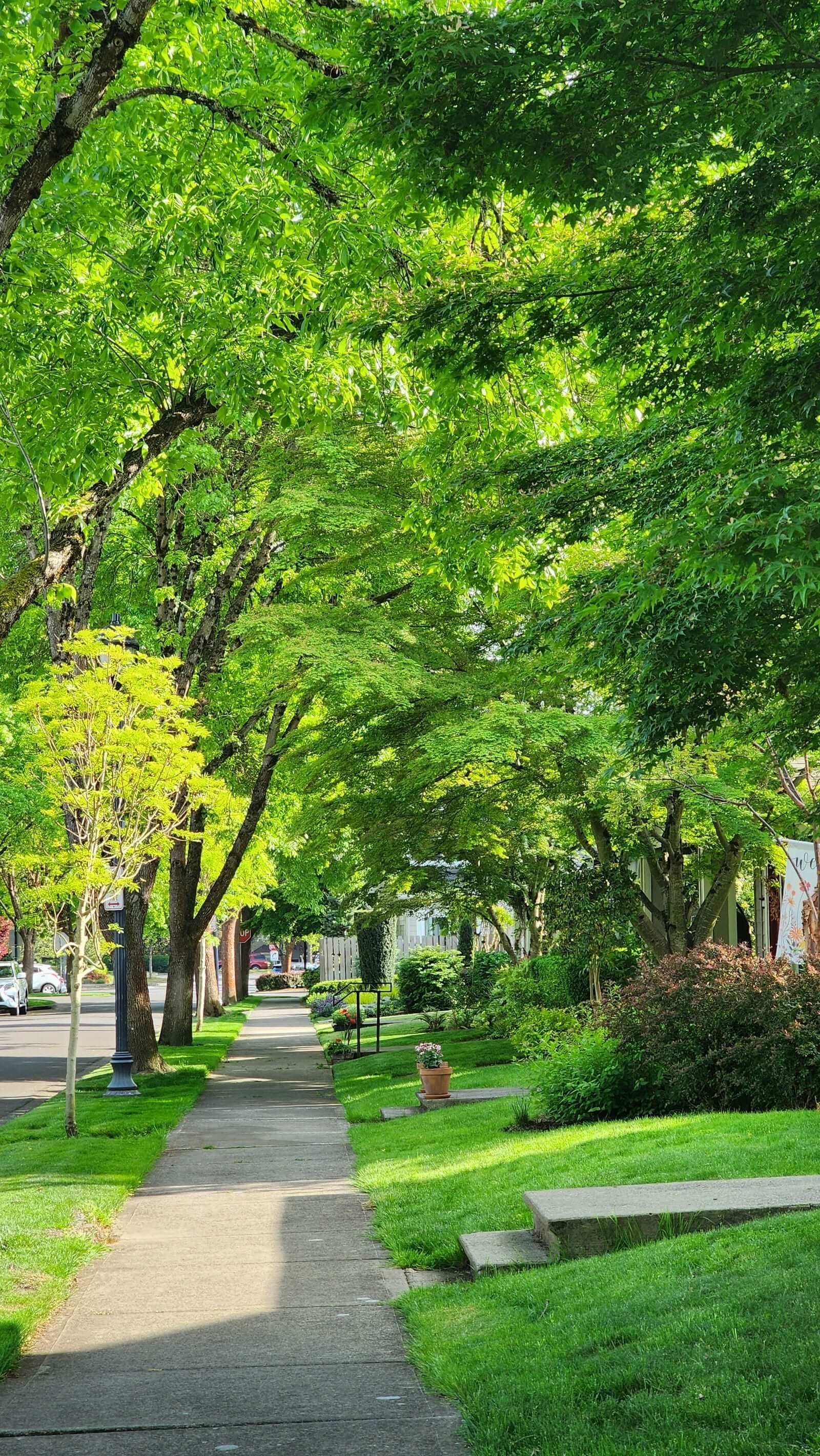
Build weather options into your route: a loop with tree cover for sunny days, an open stretch for breezy ones, and a shortcut home for sudden rain. The goal is not to walk in every condition but to have a version of the walk that suits the day you actually have.
Make It Safe and Accessible
A good local walk should feel comfortable from start to finish. Choose streets with sidewalks or quiet verges where possible, and favor crossings with clear sightlines. If a particular stretch feels unpleasant—fast traffic, poor lighting, uneven pavement—route around it rather than enduring it. There is no prize for walking the awkward part.
Think about accessibility in practical terms: benches or low walls where you can pause, gentle gradients rather than steep ones, and surfaces that suit your footwear. If you use a cane, walker, or stroller, walk the route once at a quiet time to check curbs, crossings, and pavement before making it a habit.
For evening walks, choose well-lit streets and let someone know your rough route and return time. Carry a phone, and keep one ear free of headphones so you can hear traffic and surroundings. These are simple habits, not fears—they are what make a relaxed walk possible.
Let the Walk Set Its Own Pace
Slow walking is not a fitness program, and it does not need to be. Walk at the speed at which you can look around. Pause when something catches your eye. Sit on a bench if one appears. The pleasure is in the unhurried quality of the time, not in distance covered or pace achieved.
If you find yourself speeding up out of habit, try a simple reset: stop for a moment, take a breath, and start again at a stroll. The neighborhood will still be there, and you will see more of it.
Make It a Small Routine
A walk becomes a pleasure rather than an intention when it has a soft place in your week. You do not need a daily commitment. Two or three slow loops a week is enough to keep the route familiar and the noticing fresh. Attach the walk to something you already do—after morning coffee, before dinner, or as a pause between tasks—so it does not require a separate decision.
Keep the routine flexible. Some weeks you will walk the full loop; others, just to the corner and back. Both count. The point is to keep the door open, literally and figuratively, so that a slow walk remains an easy option rather than a neglected plan.
The Pleasure Is in the Returning
Walking your own neighborhood slowly changes your relationship with the place you live. The streets become less like a backdrop and more like a setting you know. You begin to recognize small changes, to have favorite corners, and to feel the quiet satisfaction of having paid attention to somewhere ordinary.
And then you come home—to the same door, the same street, the same view from the window—having seen it all a little differently. That is the pleasure of a slow walk around your own neighborhood: not escape, but a fresh look at what was already there.