
Considering a hair transplant involves significant planning and research. This guide focuses on the key steps for selecting a clinic in the United States. It will outline the critical factors to evaluate a clinic and surgeon, discuss how different techniques may be suited to various ages and hair types, and provide essential information on financial planning, aftercare, and maintenance to support long-term results.
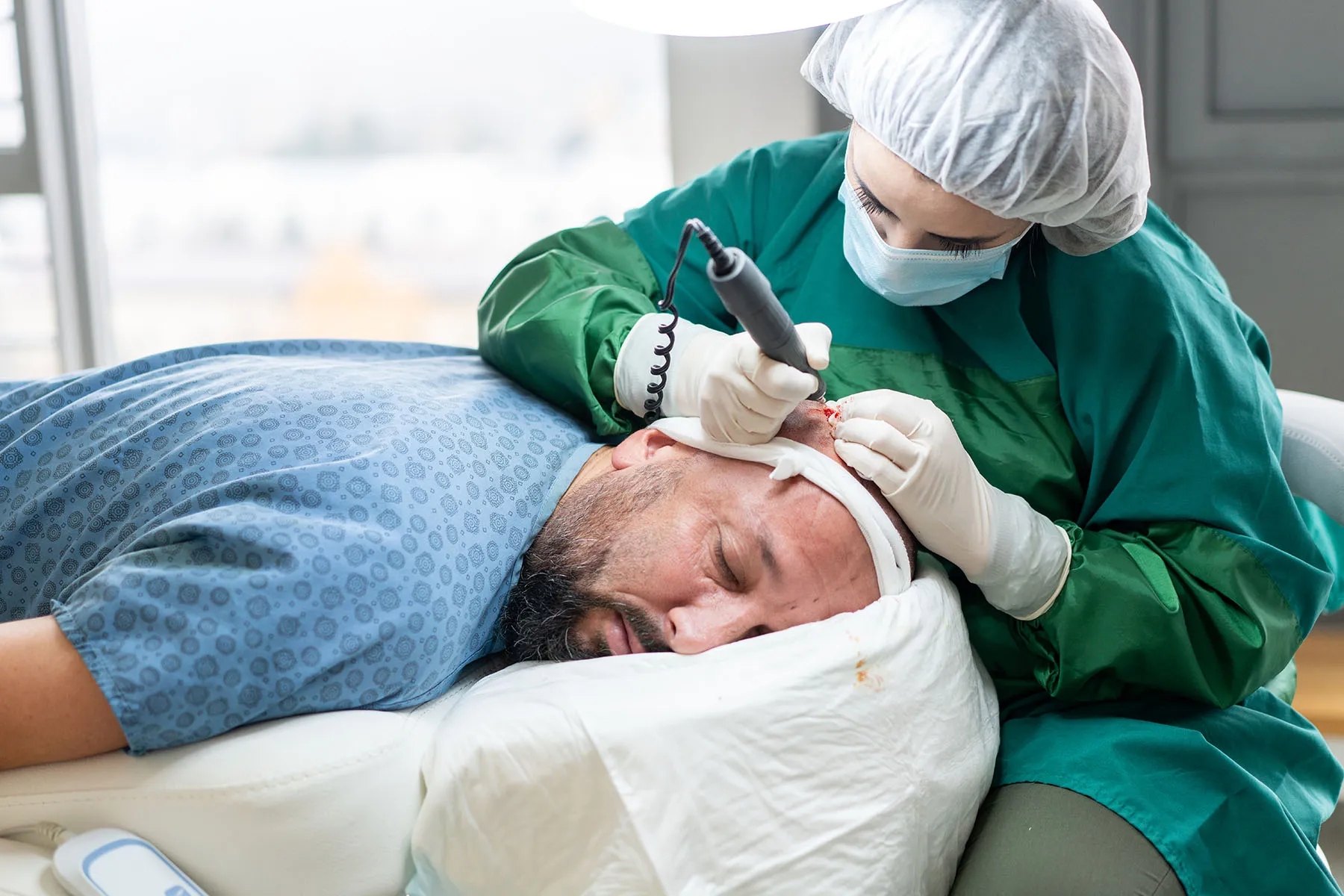
Essential Criteria for Choosing a Clinic and Surgeon
Selecting a clinic is the most consequential decision in the process. It involves verifying credentials, assessing experience, and evaluating a surgeon's specific expertise.
- Surgeon Credentials: Look for certification by the American Board of Hair Restoration Surgery (ABHRS), which signifies specialized training. Membership in professional societies like the International Society of Hair Restoration Surgery (ISHRS) is also a positive indicator.
- Experience and Portfolio: A surgeon's experience should extend beyond years in practice. It is beneficial to review before-and-after photos of previous patients, specifically those with similar hair loss patterns, hair texture (straight, curly, Afro-textured), and goals as your own. Asking how many procedures they perform annually can provide insight into their focus.
- Technology and Techniques: Reputable clinics offer and can explain the differences between core techniques like Follicular Unit Extraction (FUE) and Follicular Unit Transplantation (FUT), as well as advanced tools like robotic assistance. The choice should be tailored to the individual, not standardized.
- Consultation Quality: A thorough consultation should include a detailed scalp examination, a discussion of realistic outcomes, and a clear explanation of the recommended procedure, including graft count and pricing. Be wary of clinics that promise unrealistic density, offer prices drastically below averages, or lack a clear post-operative care plan.
Suitability: Age, Gender, and Hair Loss Patterns
The most suitable technique often depends on an individual's specific circumstances.
1.Men (Norwood Scale Stages):
- Younger Men (Under 30s): Caution is advised as hair loss may be progressive. Smaller FUE procedures for the hairline are common, with future procedures planned. FUT may also be an option for those not planning to wear very short hair and wanting to maximize future donor supply.
- Established Hair Loss (30s-50s): Both FUE and FUT are commonly used. The choice depends on desired hairstyle, donor area quality, and whether multiple future procedures are anticipated. A combination of FUT and FUE is an advanced option for high-volume cases (e.g., Norwood 5+) but is relatively rare.
2.Women (Ludwig Scale Patterns): Female hair loss is often diffuse. Transplants are typically considered to restore the hairline or add density to areas of thinning. The FUE method is frequently preferred due to minimal scarring, allowing for more styling flexibility. A surgeon's experience with female hairline design is crucial.
Financial Planning and Insurance Considerations
Understanding costs is a critical part of planning. In the U.S., a standard procedure typically ranges from $6,000 to $15,000, with major factors being the number of grafts, technique, and the surgeon's expertise.
- Insurance Coverage: It is important to know that health insurance, including Medicare and most private plans, does not cover hair transplants for genetic pattern baldness, as they are classified as cosmetic procedures. Exceptions are rare and typically require the procedure to be deemed medically necessary, such as for reconstruction after trauma, burns, or certain skin diseases.
- Financing Options: Many clinics offer payment plans or work with medical financing companies. All costs, including any fees for follow-up visits or possible future touch-up procedures, should be clarified during the consultation.
Post-Procedure Care and Long-Term Maintenance
Successful outcomes depend heavily on proper aftercare and ongoing maintenance.
- Immediate Aftercare (First 2 Weeks): Key instructions include sleeping with the head elevated to reduce swelling, gentle washing of the scalp as directed, avoiding scratching or picking at scabs, and refraining from strenuous exercise, alcohol, and smoke.
- The Healing Timeline: It is normal for the transplanted hairs to shed within a few weeks after surgery. New growth typically begins around 3-4 months, with more visible results at 6-9 months, and final results can take up to 12-18 months to fully mature.
- Long-Term Prevention: A transplant does not stop the progression of native hair loss. Many surgeons recommend ongoing use of FDA-approved treatments like minoxidil (topical) or finasteride (oral for men) to help preserve non-transplanted hair and support long-term density. Protecting the scalp from sun exposure is also advised.
Frequently Asked Questions
Q: How do I verify a surgeon's credentials?
A: You can check certification status directly with the American Board of Hair Restoration Surgery (ABHRS). Reputable surgeons are typically transparent about their affiliations and training.
Q: What is the main difference between FUE and FUT scarring?
A: FUE leaves many tiny, dot-like scars scattered across the donor area, which are usually not visible even with short haircuts. FUT leaves a single linear scar at the back of the scalp, which can be concealed by surrounding hair but may be visible if the hair is shaved very short.
Q: When can I return to normal activities and exercise?
A: Most individuals can return to non-strenuous work within 3-7 days. Light walking can often be resumed after 5-7 days. Strenuous exercise and activities that cause heavy sweating should be avoided for at least 2-4 weeks to protect the healing grafts.
Q: Are transplants effective for everyone?
A: Success depends on having sufficient, healthy donor hair. Individuals with very advanced hair loss or insufficient donor density may not be ideal candidates or may require managed expectations regarding final coverage. A qualified surgeon will assess this during the consultation.
Data source:
- https://abhrs.org
- https://ishrs.org
- https://ishrs.org/resources/medical-professionals/2022-practice-census/
- https://medicare.gov/coverage
- https://www.cms.gov/medicare/coverage
- https://www.americanhairloss.org
- https://www.ncbi.nlm.nih.gov/books/NBK278957/
- https://www.ncbi.nlm.nih.gov/pmc/articles/PMC6371723/