
Bread rarely goes from fresh to ruined in a single jump. It moves through stages: soft and fresh, then a day or two past its best, then firm and dry, and finally hard enough to be a nuisance. Most of the waste happens because people treat every stage after "fresh" as the same stage — the bin stage. It isn't. Each level of staleness has its own practical uses, and matching the method to the condition of the loaf is the whole trick.
Start with storage: freshness is a clock you can slow down
Before talking about rescuing bread, it's worth slowing its decline. The enemy of fresh bread is not time alone but two things working together: stale-causing starch changes and moisture loss. You can't stop the first, but you can slow the second.
- Keep the crust dry and the crumb protected. A paper bag lets the crust breathe but dries the interior; a plastic bag traps moisture and softens the crust. For a loaf you'll finish in a day or two, a paper bag is fine. For longer, wrap the loaf in a clean cloth or paper, then place it inside a loose plastic bag — protected but not sealed tight.
- Freeze what you won't finish. Sliced bread freezes well and thaws quickly. Freeze it on the day you buy or bake it, in portions you'll actually use, and toast or thaw slices as needed. This is the single most reliable way to avoid the stale-bread problem entirely.
- Don't refrigerate. Cold temperatures speed up the starch change that makes bread firm. The fridge is the worst place for a loaf you plan to eat soon.
- Store cut bread cut-side down. A cut loaf loses moisture through the exposed crumb. Pressing the cut face against a board or plate, or wrapping just that end, buys a little time.
When it's only slightly firm: bring it back
A loaf that has lost a little softness but still smells good and shows no mold is not stale in any permanent sense — it's just dry. This is the easiest stage to fix.
- Sprinkle and reheat. Lightly wet the crust with your fingers or a quick splash of water, then warm the bread in a moderate oven for a few minutes. The moisture rehydrates the surface and the heat softens the crumb. Eat it promptly; it will firm up again as it cools.
- Toast it deliberately. A slice that's a bit dry makes better toast than fresh bread, because it crisps evenly. This is the moment to make toast, garlic bread, or croutons rather than sandwiches.
- Slice thin and warm through. Firm bread slices cleanly. Thin slices warmed in a dry pan or toaster become crisp and pleasant, and they hold up well under butter, cheese, or jam.
- Use it for grilled sandwiches. Slightly firm bread presses and grills better than soft fresh bread, which can collapse. A dry-ish loaf is actually the right choice for a pressed sandwich.
When it's getting properly hard: change its form
Once the loaf is too firm to enjoy as bread, stop trying to restore it and start treating it as an ingredient. Hard bread is dry bread, and dry bread is excellent at absorbing liquid and turning crisp.
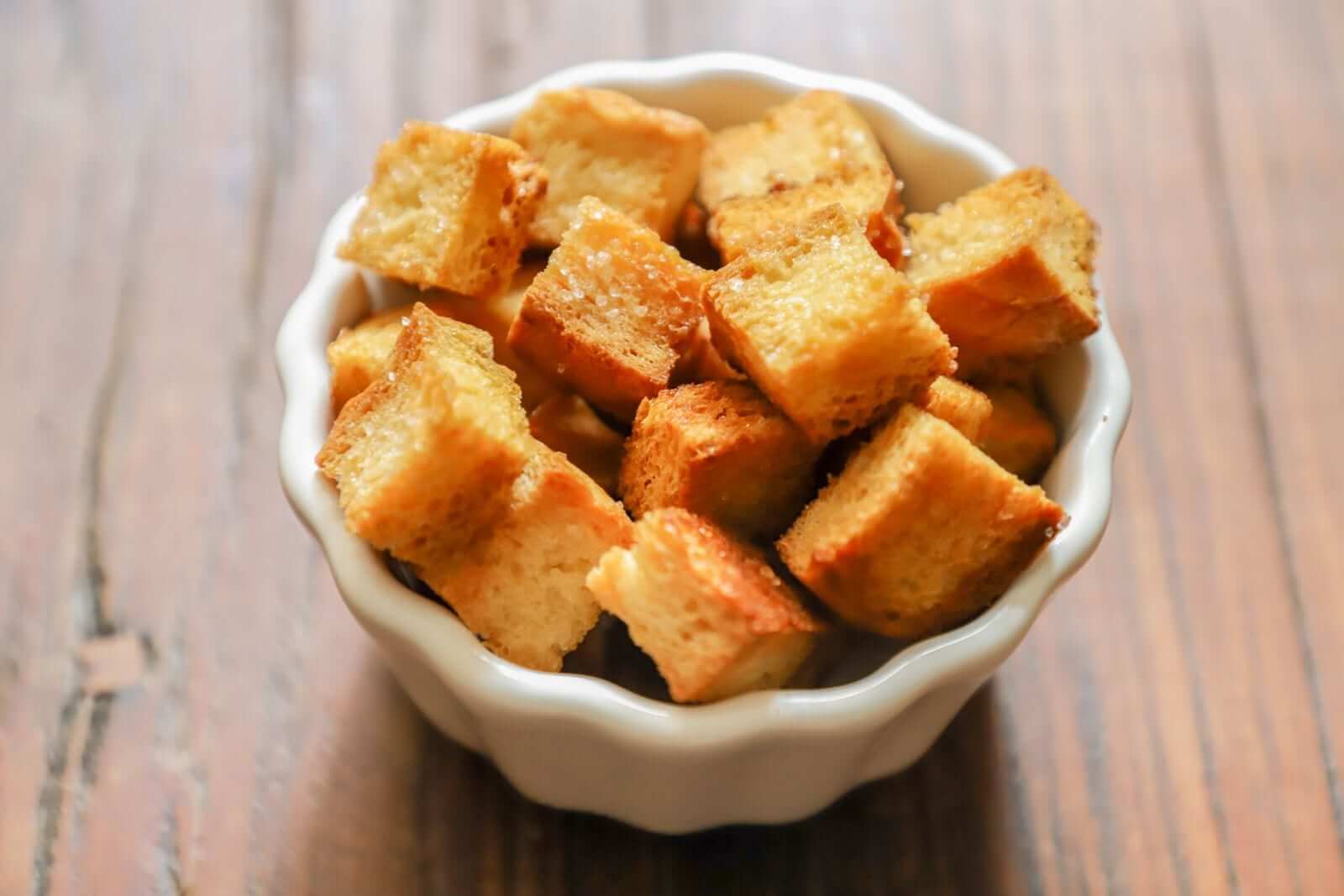
- Croutons. Cube firm bread, toss with oil and salt, and bake or pan-fry until crisp. This is the classic use, and it works with bread that's several days old.
- Breadcrumbs. Dry bread can be ground or grated into crumbs. Fresh crumbs are soft and clump; dried crumbs keep longer and brown nicely. Toast the crumbs in a dry pan for a shelf-stable version, or freeze them.
- Thickeners. Stale bread, torn into pieces and simmered in soup or stew, thickens and extends the dish — a traditional move in many kitchens. Grated dry bread can also be used to bind meatballs or thicken sauces.
- Panzanella-style salads. Torn firm bread tossed with tomatoes, oil, and vinegar soaks up the juices and softens as it sits. The bread should be dry enough to absorb, not so hard it stays crunchy in the middle.
- Bread pudding and similar bakes. Cubes of firm bread soaked in a custard and baked turn into a dessert or a savory bake. This is the reliable destination for bread that's dry but not yet rock-hard.
- Soup garnish. Thin slices or torn pieces fried or baked until crisp make a topping for soup, replacing crackers.
When it's nearly rock-hard: the last useful stage
At this point the bread is dry through and through. It can still be used, but only where full dryness is an advantage.
- Grate it into fine dry crumbs. Very hard bread grates or grinds into a powder-like crumb that keeps well in a jar and is useful for coating, topping, or extending other dishes.
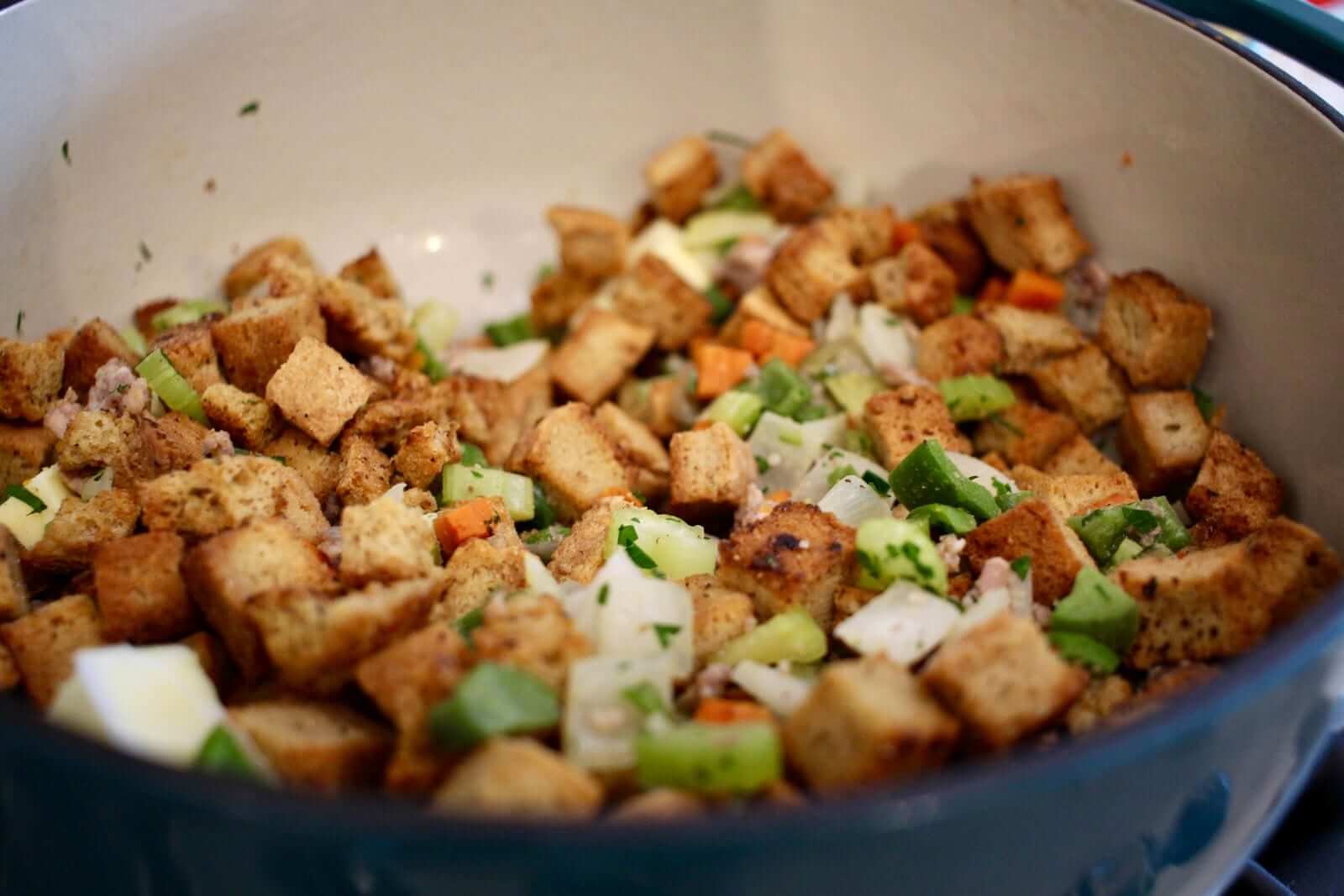
- Soak it before using. Hard bread can be torn and soaked in milk, water, or stock until soft, then squeezed out and used in meatballs, stuffings, or fritters. Soaking is the step that makes rock-hard bread usable again as an ingredient.
- Feed it to birds or compost it only as a last resort — and only if it's plain bread with no mold. Moldy bread should go straight to compost or the bin, never to food uses.
A simple rule to remember
The practical rule is this: the firmer the bread, the less you should try to serve it as bread and the more you should treat it as an ingredient. Soft bread is for eating; firm bread is for toasting and pressing; dry bread is for crumbs, croutons, and soaking; hard bread is for grating and soaking. Match the method to the stage, and very little of the loaf ends up in the bin.
One caution runs through all of this: none of these methods rescue moldy bread. If you see fuzz, colored patches, or a musty smell, discard it — the visible mold is only part of the problem. The techniques above are for bread that is dry, firm, or hard, not bread that has spoiled.
Bread that's past its best is not a failure; it's just bread at a different stage. A slightly firm loaf becomes toast and grilled sandwiches. A dry loaf becomes croutons and crumbs. A hard loaf becomes grated crumbs and soaked filler. Storing it well, freezing what you won't finish, and matching the use to the condition is a small habit that keeps good bread out of the bin.