
When the temperature climbs, the last thing you want is to stand over a hot stove for an hour. The oven feels like a radiator, the burners add to the heat, and by the time dinner is ready you have lost your appetite entirely. The good news is that a satisfying evening meal does not require long cooking. With a little planning and a focus on assembling rather than cooking, you can put together a filling, refreshing dinner that keeps the kitchen cool and gets you back to the fan in minutes.
The core idea is simple: use as little heat as possible, lean on cold and room-temperature ingredients, and let a few brief moments of cooking do the heavy lifting. Here are practical approaches for hot evenings when you want dinner without the sweat.
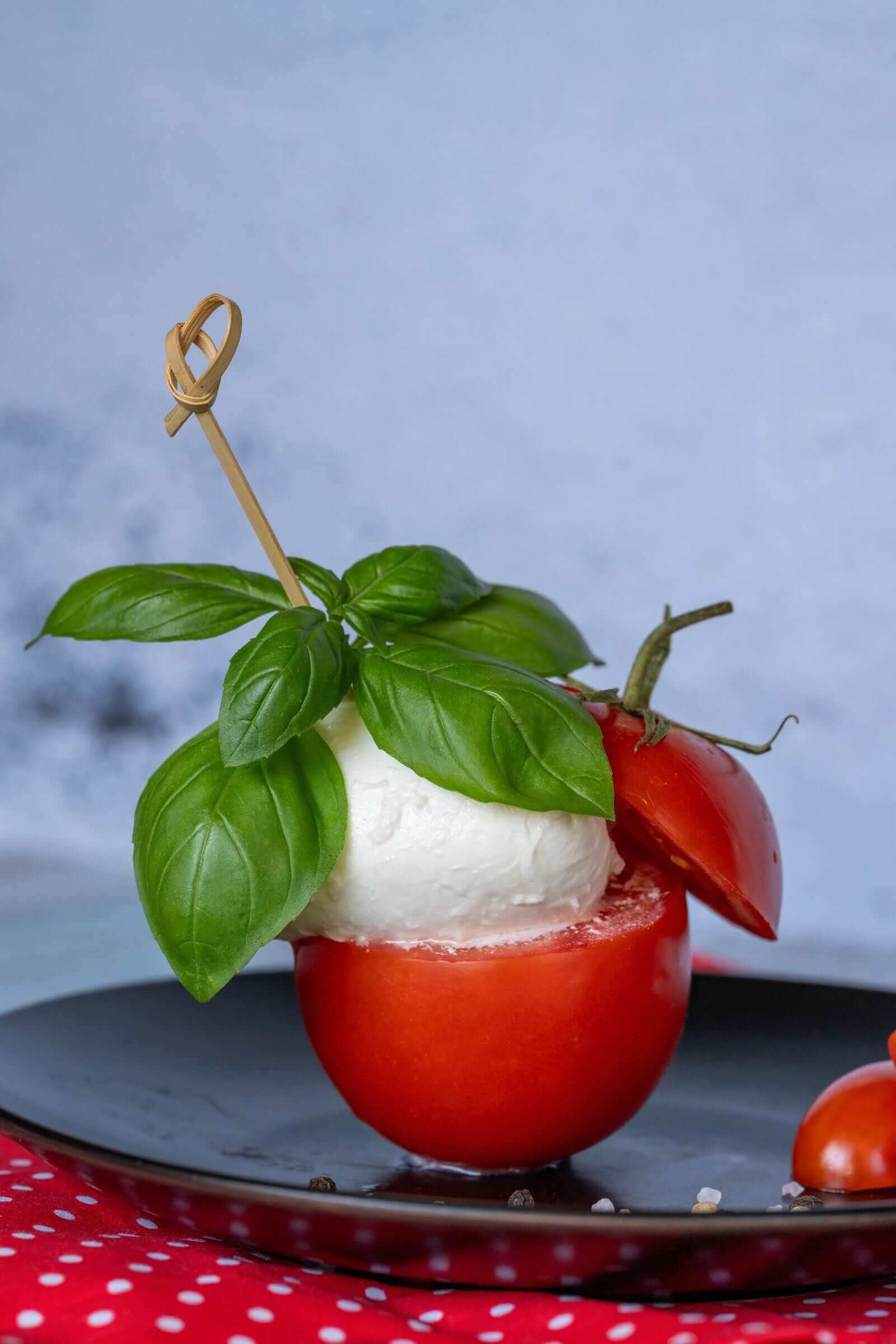
Start with a cold base that actually fills you up
A plate of lettuce alone will not carry you through the evening. Build your cold base from ingredients with substance: cooked grains, noodles, or potatoes that you make ahead, or sturdy vegetables that hold up well when chilled. Cold soba noodles, leftover rice, or boiled potatoes from the morning all work. Toss them with a dressing and a handful of crisp vegetables, and you have a base that satisfies without any cooking at dinner time.
If you have no pre-cooked grains on hand, a quick soak or a brief boil early in the day is far more pleasant than doing it at seven in the evening. Cook once in the cool of the morning, chill it, and dinner becomes an assembly job.
Make one cold dish the centerpiece
Cold dishes are not just sides. A substantial cold salad can be the main event. Think of cold noodles with shredded cucumber, carrot, and a sesame or peanut dressing; a chilled potato salad with mustard and herbs; or a cold bean salad with olive oil, lemon, and plenty of chopped onion. These dishes are filling because they combine starch or protein with volume and flavor.
The trick is to season boldly. Cold food tastes flatter than hot food, so dressings need more acid, salt, and aroma than you might expect. A squeeze of lemon, a splash of vinegar, a pinch of salt, and a handful of fresh herbs make the difference between a sad cold plate and a dinner you look forward to.
Pair cold with one brief, hot element
A completely cold meal can feel monotonous. Adding a single hot component, cooked quickly and with minimal heat, makes dinner feel complete. A few minutes in a hot pan is enough for thin cuts of meat, shrimp, or firm tofu. Sear them fast, remove them from the heat, and serve them warm alongside the cold dishes. The contrast of temperatures is refreshing rather than heavy.
Keep the cooking short and contained. Use a single pan, high heat, and thin pieces so the food cooks in two or three minutes. Ventilate the kitchen, and do not linger at the stove. The goal is a quick sear, not a slow roast.
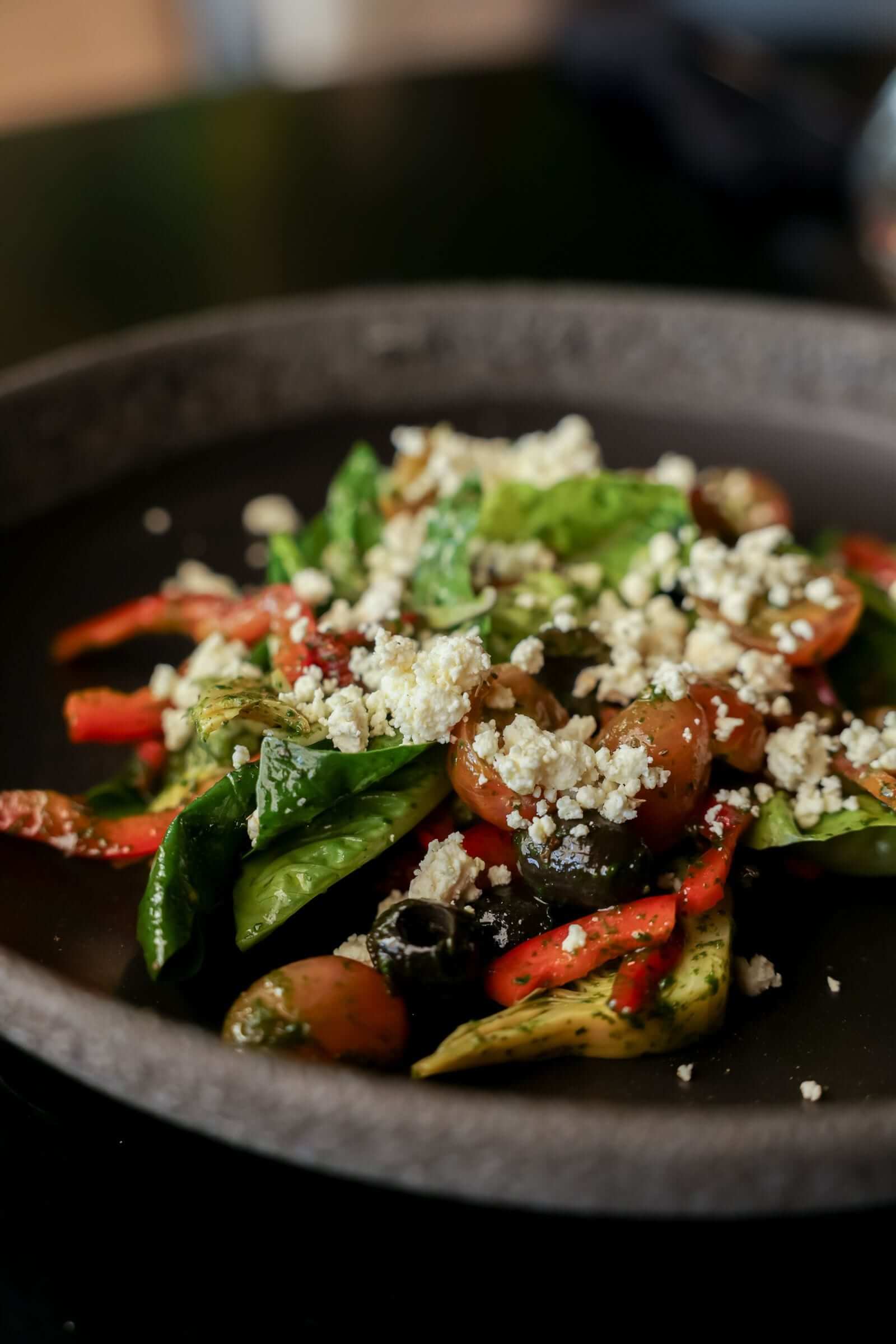
Use the residual heat of the day wisely
If you must cook, do it early. Morning or late afternoon, before the kitchen heats up, is the best time. Boil a pot of noodles, roast a tray of vegetables, or grill a batch of chicken while the day is still mild. Chill everything, and at dinner time you simply combine. This is the most effective way to avoid standing over heat when you are already hot and tired.
A covered pot or a brief blanch uses less ambient heat than a long simmer. And once the cooking is done, the kitchen cools while the food chills.
Keep a rotating set of no-cook components ready
Stock your fridge with ingredients that need no heat at all: washed greens, cut vegetables, canned beans, cheese, cured meats, olives, pickles, and a jar of good dressing. With these on hand, a dinner can be assembled in the time it takes to chop a cucumber. Add bread, crackers, or cold cooked grains, and you have a complete meal.
This approach also prevents the trap of ordering takeout out of exhaustion. When the components are ready, the effort is minimal, and the result is fresher and lighter than delivery.
Balance fullness and freshness
A hot evening calls for food that satisfies without weighing you down. Combine protein, starch, and plenty of vegetables, and keep the fat moderate. Cold dishes with beans, eggs, or leftover meat provide staying power. Crisp vegetables and acidic dressings keep the meal refreshing. Avoid heavy creams and rich sauces, which feel oppressive in the heat.
Drink plenty of water alongside the meal, and consider serving fruit afterward for a light finish.
A hot evening does not have to mean a hot kitchen. By cooking briefly, cooking early, or not cooking at all, you can put a filling, cooling dinner on the table with minimal effort. The key is to plan a little, keep cold components ready, and let one quick sear or a bold dressing do the rest.