
If toast and sandwiches have become the default answer to breakfast and lunch, the problem is rarely the bread. It is the routine. The same spread, the same filling, the same order of assembly, day after day, turns a perfectly good meal into something you stop noticing. The fix does not require new recipes or a longer shopping list. It requires a small set of rotating parts: what you spread on the bread, what you layer on top, how the textures contrast, and how you combine what is already in the fridge. With a little planning, a basic loaf can carry you through a week without repeating the same combination twice.
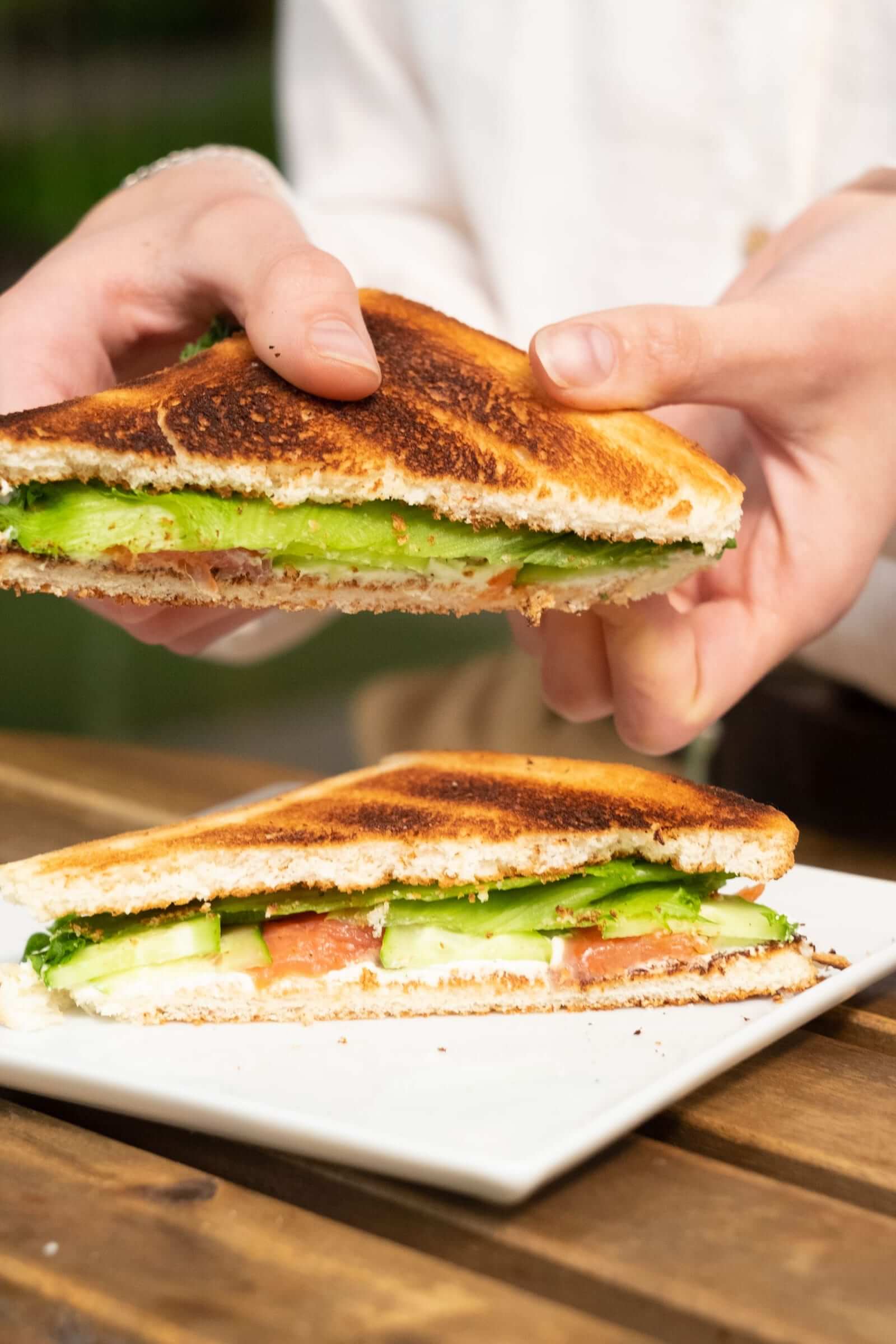
Start With the Spread, Because It Sets the Tone
The spread is the fastest way to change a sandwich, and it is the easiest thing to keep several of on hand. Think in families rather than single jars. A creamy base, a tangy base, and a savory base give you three directions from the same slice of bread.
Creamy options include mayonnaise, Greek yogurt, cream cheese, hummus, and mashed avocado. Tangy options include mustard, vinegar-based dressings, hot sauce mixed into mayonnaise, and pickle brine whisked into yogurt. Savory options include butter, olive oil, pesto, tapenade, and a thin layer of refried beans.
A practical habit is to keep two spreads in the fridge at all times and one in the cupboard. When one runs out, replace it with something from a different family. That single rule prevents the trap of buying the same mayonnaise every week and wondering why lunch feels flat.
Spread also controls moisture, which matters more than most people expect. A dry slice with a wet filling turns soggy; a dry slice with a dry filling turns crumbly. If your filling is juicy, such as sliced tomato or coleslaw, put a moisture barrier on both slices: a thin layer of mayonnaise, butter, or cream cheese. If your filling is dry, such as cold chicken or cheese, add a wet element like mustard, oil, or a slice of ripe tomato.
Build Layers With Contrast in Mind
A sandwich feels varied when each bite has more than one texture and more than one flavor direction. The simplest framework is four layers: spread, a soft or creamy element, a crunchy element, and something with a sharp or salty edge.
Soft elements: sliced cheese, mashed avocado, egg, hummus, soft goat cheese, thinly sliced cucumber. Crunchy elements: lettuce, shredded cabbage, sliced radish, cucumber, apple, toasted seeds, crisps, or a handful of sprouts. Sharp or salty elements: pickles, olives, capers, sharp cheese, cured meat, salted nuts, or a sprinkle of flaky salt.
You do not need all four every time, but aiming for at least three keeps the sandwich from tasting one-note. A cheese sandwich with only cheese and butter is fine; the same sandwich with a slice of apple and a smear of mustard becomes something you actually look forward to.
Toast follows the same logic. A slice with peanut butter alone is sweet and soft; add sliced banana and a pinch of salt and you have contrast. Avocado toast with lemon and chili flakes works because the fat, acid, and heat each do a different job. The principle is not gourmet cooking; it is simply giving your mouth more than one thing to notice.
Use a Weekly Rotation Instead of Daily Decisions
Deciding what to make every morning is its own kind of fatigue. A light rotation removes the decision. Pick a different spread family for each weekday and let the toppings follow.
Monday: creamy base, such as cream cheese or hummus, with a crunchy vegetable and a sharp topping. Tuesday: tangy base, such as mustard or a yogurt dressing, with a protein and something fresh. Wednesday: savory base, such as pesto or olive oil, with cheese and a salty element. Thursday: creamy base again, but a different one, with fruit or a different vegetable. Friday: whatever is left in the fridge, assembled with the four-layer rule.
This is not a strict menu. It is a way to make sure you are not reaching for the same jar five days in a row. If you swap Tuesday and Thursday, nothing breaks. The point is the pattern, not the schedule.
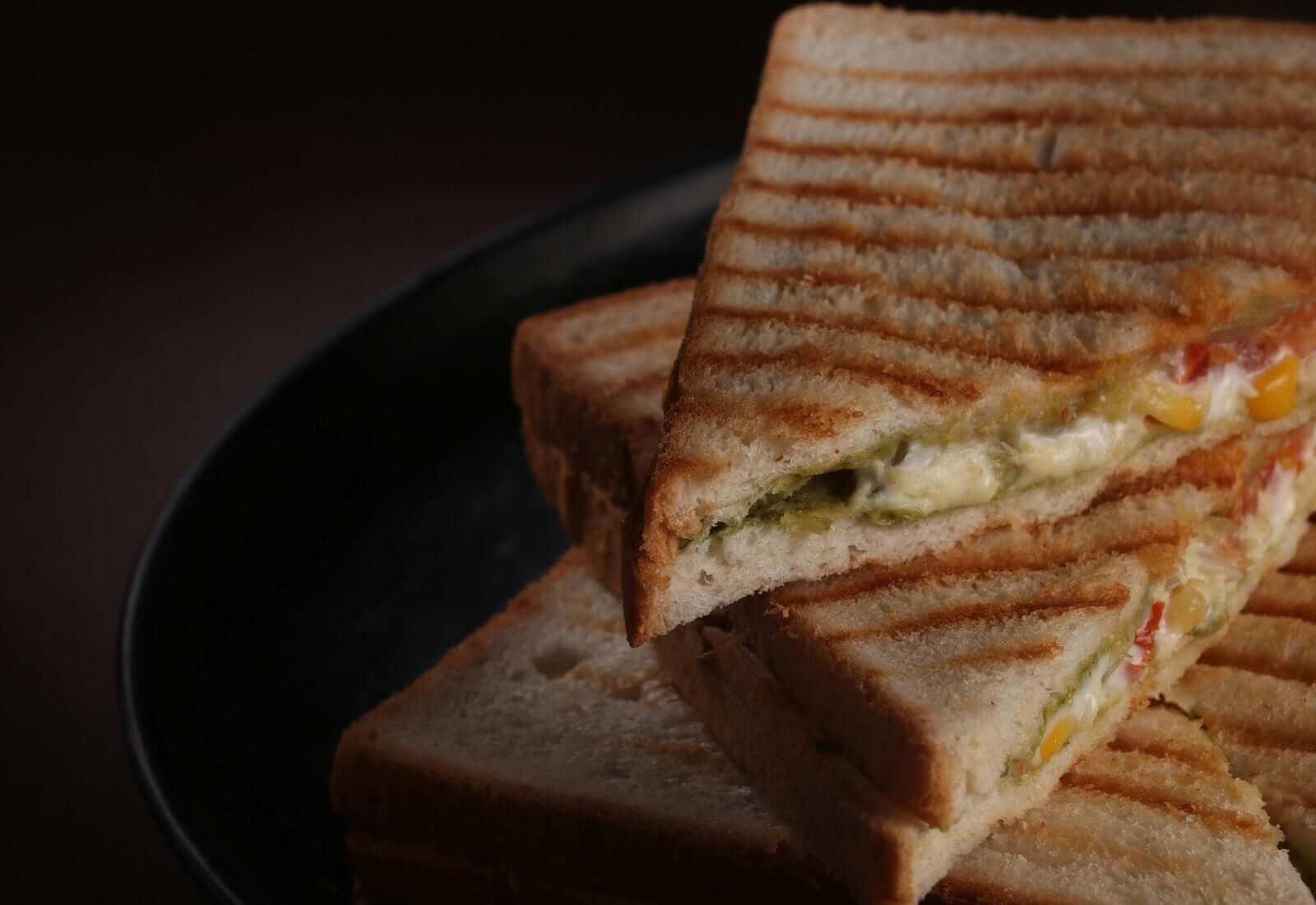
Prep Once, Assemble Quickly
The reason people default to the same sandwich is speed. Variety only survives if it is still fast on a busy morning. A short prep session on Sunday or whenever you shop solves most of this.
Wash and dry lettuce and herbs, then store them with a paper towel in a container so they are ready to grab. Slice cucumber, radish, or apple and keep them in water or a sealed container for the first half of the week. Hard-boil a few eggs. Toast a batch of seeds in a dry pan and keep them in a small jar. Make one spread from scratch, such as a quick yogurt-mustard dressing or mashed avocado with lemon, and buy the rest.
The goal is not a fully stocked deli counter. It is having two or three ready elements so that assembling a different sandwich takes the same ninety seconds as assembling the usual one.
Keep a Short List of Combinations That Work
When you find a combination you like, write it down. A running list on your phone or a note on the fridge removes the guesswork later. Useful starting points:
- Cream cheese, cucumber, radish, and a squeeze of lemon on toast.
- Hummus, grated carrot, and toasted seeds in a wrap or between slices.
- Mustard, sliced apple, and sharp cheddar on toasted bread.
- Greek yogurt mixed with pickle brine, cold chicken, and shredded cabbage.
- Peanut butter, banana, and a pinch of salt on toast.
- Olive oil, mashed white beans, tomato, and flaky salt on toast.
- Egg, mayonnaise, and capers, with lettuce for crunch.
None of these require special equipment. They are simply different arrangements of ordinary ingredients, which is exactly the point.
Small Habits That Keep It From Getting Stale
Rotate the bread itself when you can. A loaf of sliced sandwich bread, a baguette, and a pack of flatbreads behave differently and change the texture of the same filling. Freeze half a loaf so it does not go stale before you get to it.
Change one element at a time rather than everything at once. If you usually have a cheese sandwich, keep the cheese and change the spread. If you usually have peanut butter toast, keep the peanut butter and change the topping. Small changes are easier to repeat and easier to judge.
Keep a jar of something sharp near the front of the fridge: pickles, olives, capers, or hot sauce. The sharp element is the one people forget, and it is often what makes a plain sandwich taste finished.
Finally, accept that some days will be plain toast with butter. That is fine. The aim is not a perfect rotation; it is a base of bread that stays interesting enough that you keep using it. A few spreads, a crunchy element, a sharp element, and a short list of combinations you trust will do more for your weekday lunches than any single recipe.