
In a small apartment, the instinct to solve clutter is often to buy something: a shelving unit, a set of matching bins, a clever organizer advertised online. But renters who don't want to invest in furniture—or who simply don't want to spend money on storage products—have another option. Much of what already sits in your home can be repurposed to hold, hide, and organize your belongings. The ideas below focus on boxes, jars, suitcases, hooks, under-bed space, doors, and vertical wall space. They require no new furniture, and most can be undone when you move out.
A word before you start: two cautions run through every suggestion here. The first is weight. Small containers and hooks are not magic; they have limits, and overloading them can damage your belongings or your home. The second is rental walls. Many leases restrict what you can put into walls, and even where nails are allowed, careless drilling can cost you a deposit. Wherever possible, this guide favors tension rods, over-the-door hangers, adhesive products rated for the load, and existing hardware. When in doubt, check your lease and test conservatively.
Start with boxes you already have
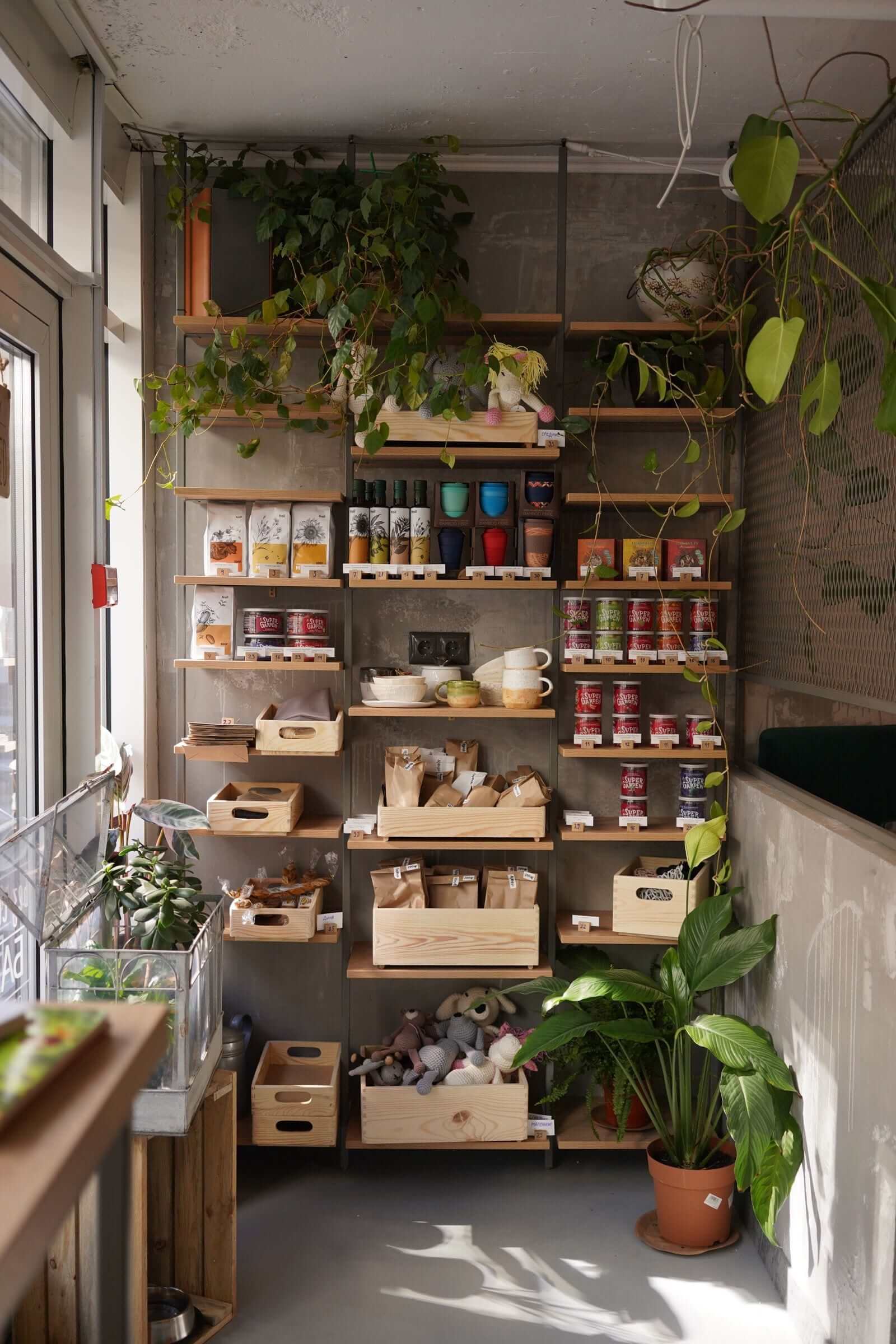
Cardboard boxes arrive with deliveries, move-in day, and online orders. Before you recycle them, look at what they could hold. A sturdy box can become a drawer insert for socks, scarves, or cables; a shallow box lid can corral papers and mail on a shelf. Cut taller boxes down to fit the height of a shelf, and they become trays that slide in and out.
The practical steps are simple. Choose boxes that are clean and dry, and reinforce weak corners with packing tape. Measure the shelf or drawer before cutting, and label the outside of each box with a marker so you don't have to open five of them to find one thing. For a more finished look, wrap the box in leftover paper or fabric you already own.
The cautions matter here. Cardboard is weak when stacked heavy, and it can sag in humid bathrooms or attract pests if it held food. Don't use a delivery box that once contained produce or meat without cleaning it thoroughly. And don't stack heavy boxes high on a top shelf where they could fall.
Reuse jars and containers for small items
Glass jars from sauces, pickles, and spreads—once washed and dried—are excellent for small items: pens, rubber bands, paper clips, spices, tea bags, cotton swabs, and hardware like screws and nails. Clear jars let you see what's inside, which is half the battle in a small space. Plastic takeout containers work too, especially for items that don't need to be visible.
To make jars work, remove the label residue with warm soapy water, and make sure they are completely dry before filling them, especially for anything that could rust or mold. Group similar jars together on a shelf or in a cabinet, and consider writing contents on the lid or a small label on the side. A jar with a lid can also hold leftovers or dry goods in the kitchen, reducing the number of mismatched containers you keep.
Be careful with glass in high-traffic areas and on high shelves. A jar that falls can break and create a hazard. Keep heavy glass jars low, and avoid storing them above a bed or doorway. Also, don't assume every jar is food-safe for long-term storage of dry goods; if the lid is rusty or the seal is damaged, use it for non-food items instead.
Let suitcases do double duty
A suitcase is a container with a handle and a lid, and in a small apartment it can be more useful out of the closet than in it. An empty suitcase under the bed can hold off-season clothing, bedding, or extra towels. A hard-shell suitcase can serve as a low table or a bedside surface in a pinch, though it will scratch. A soft suitcase with a flat top can store items on top of it if it sits on a shelf.
The steps: clean the suitcase inside, line it with a clean cloth or a large bag if you want to protect the contents, and pack it as you would a storage bin. Label it with a luggage tag or a strip of tape so you know what's inside without opening it. If you use it under the bed, check that it rolls or slides easily and doesn't block access to other items.
Weight is the main caution. A suitcase full of books is heavy, and dragging it across a floor can damage both the suitcase and the floor. Keep heavy items in smaller containers, and use the suitcase for bulky but light things like bedding. Also, don't store a suitcase in a damp basement or against an exterior wall where condensation can cause mildew.
Use hooks and over-the-door hardware
Hooks are among the most affordable and least invasive storage tools, and many apartments already have some. If you don't, over-the-door hooks and racks require no drilling and can be moved when you leave. Use them for coats, bags, towels, aprons, and cleaning tools. A row of hooks inside a closet door can hold belts and scarves; a hook on the back of a bathroom door can hold a robe or a drying towel.
Before hanging anything, think about the door. Over-the-door hooks can prevent a door from closing fully, and they can scratch the top of the door. Check that the door still latches and that the hook doesn't interfere with the frame. For adhesive hooks, follow the manufacturer's weight limit and apply them to a clean, dry surface; they hold best on smooth surfaces and poorly on textured or painted walls that may peel.
Never hang a heavy bag or a wet towel on a hook that wasn't rated for it. A falling bag can break items below, and a hook that pulls out of drywall leaves a hole that is hard to repair. If you rent, favor over-the-door and tension-based options over adhesive hooks on painted walls, since adhesive can remove paint when it comes off.
Make under-bed space work harder
The space under a bed is often the largest unused storage area in a small apartment. You don't need special under-bed boxes; shallow cardboard boxes, flat suitcases, and zip-top bags can all slide underneath. Use it for off-season clothing, extra bedding, shoes, and rarely used items.
The practical approach is to measure the clearance first, then choose containers that fit without forcing. Keep a clear path so you can pull things out without moving the whole bed. Label the ends of boxes so you can identify them from the side. If your bed has a frame with legs, a tension rod or a simple curtain can hide the contents without requiring installation.
Two cautions. First, don't block ventilation under the bed if you have baseboard heat or a radiator nearby; trapped heat is a fire risk. Second, avoid storing items that need airflow, like damp shoes or woolens, in sealed plastic, where condensation can cause mildew. And be realistic about weight: a bed frame is not a shelf, and pushing heavy boxes against the wall can damage baseboards or paint.
Use doors and vertical wall space
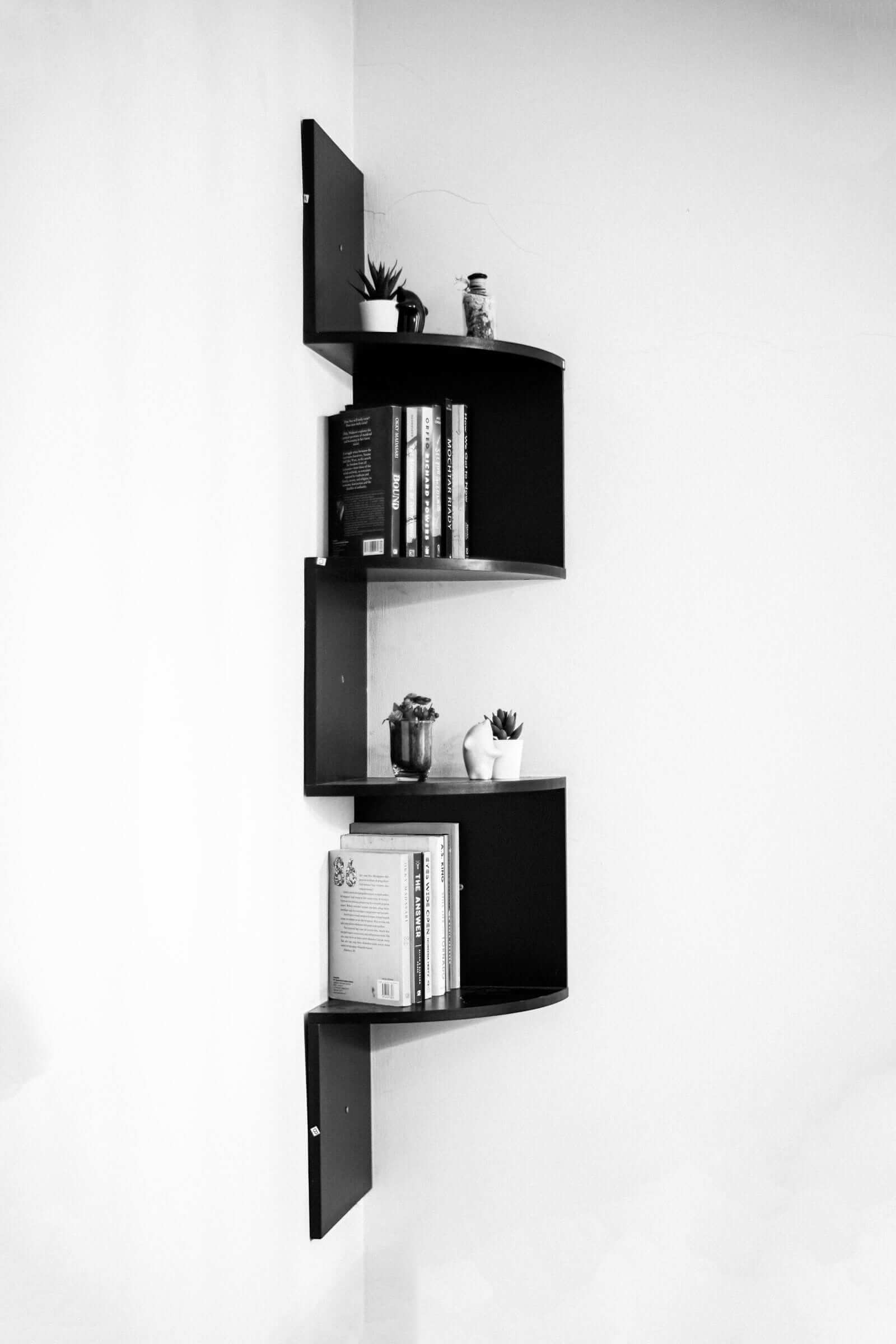
Doors and walls are vertical real estate that often goes unused. The back of a door can hold a shoe organizer, a hanging pocket organizer for small items, or a row of hooks. A wall above a desk or dresser can hold a shelf, but in a rental, consider freestanding or tension-mounted options first. A tension rod between two walls or inside a closet can hold hanging items without drilling.
For walls, the safest renter-friendly approach is to use existing picture hooks, a leaning ladder shelf you already own, or adhesive strips rated for the weight. If you are allowed to drill, use anchors appropriate for drywall and keep heavy items low. Never hang a heavy shelf above a bed or a seating area.
The caution about rental walls is worth repeating: spackle and paint matching are extra work, and some leases prohibit nails entirely. Ask before you drill, and keep the number of holes to a minimum. For lightweight items, adhesive hooks and strips are often enough; for anything heavy, choose a freestanding solution instead.
A final note on testing and restraint
The common thread in all of these ideas is to test before you commit. Put a little weight on a hook before you hang a coat. Fill a box halfway before you stack it. Slide a suitcase under the bed before you pack it full. Small failures are easy to fix; big ones are not.
It also helps to resist the urge to fill every newly created space. Storage ideas work best when they hold things you actually use, in a way that makes them easier to find. If a box, jar, or suitcase becomes a place to hide clutter you never touch, it isn't solving the problem. Used with a little care about weight and walls, the things you already own can make a small apartment feel more organized without a single trip to the furniture store.