
Leftover rice is one of the most common things in a home kitchen, and it is also one of the easiest to get tired of. If your default move is fried rice, you already know the basic idea: hot pan, a little oil, some aromatics, and the rice goes back to being a meal. But fried rice is only one direction. Depending on how dry, how sticky, or how cold your rice is, you can take it in at least three other directions — crisp it into cakes, loosen it into soup or porridge, or cool it into a salad. Each one uses a different state of leftover rice, and each one gives you a genuinely different dish rather than a variation on the same theme.
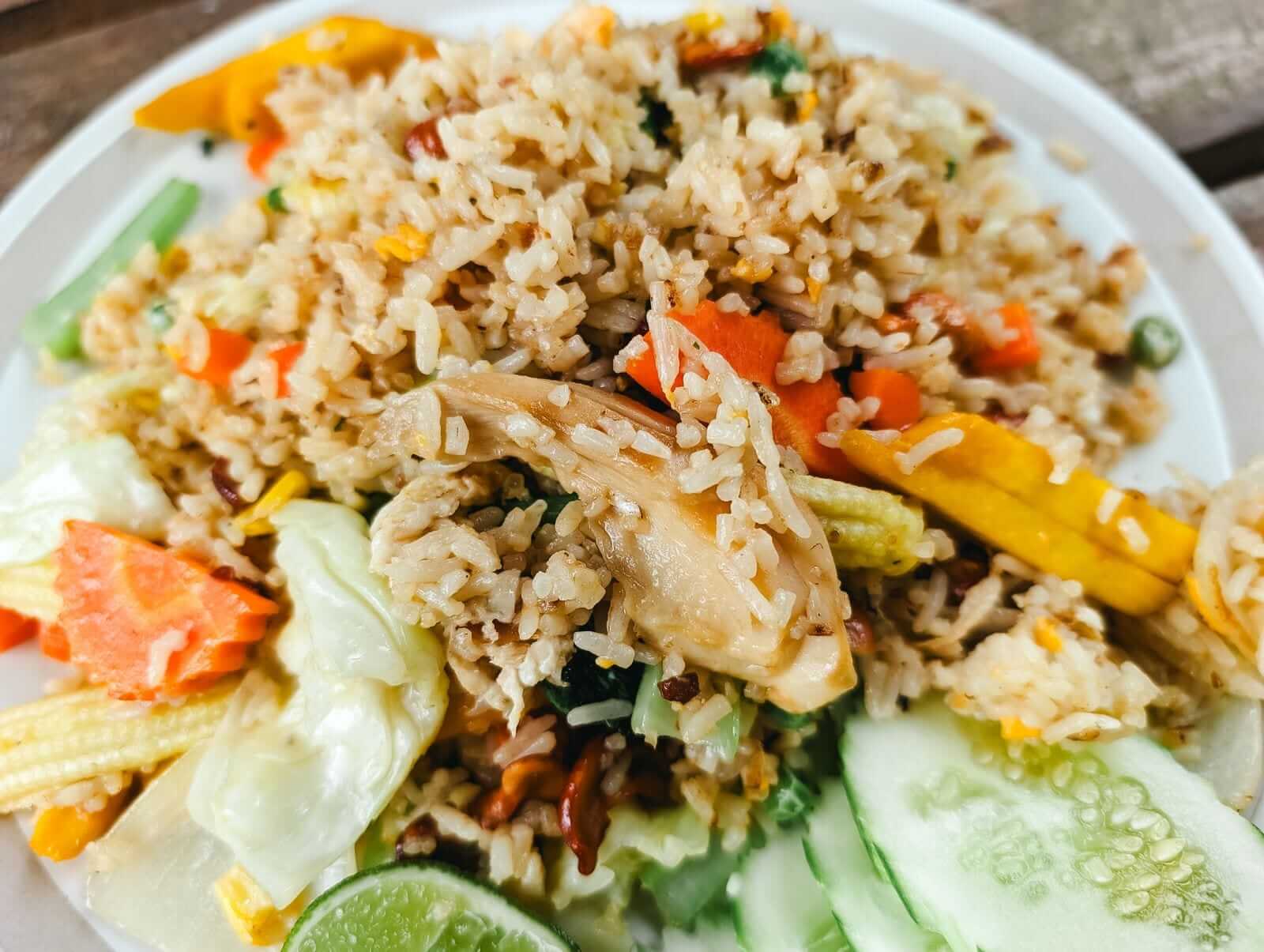
1. Crisp It Into Rice Cakes With a Crusty Bottom
This is the method for rice that has dried out a little in the fridge — the grains are separate, maybe slightly hard at the edges, and they no longer clump together in a soft mass. That dryness is an advantage here, because wet rice steams instead of crisping.
What you need: cold leftover rice, a little oil, salt, and a nonstick or well-seasoned pan with a lid. Anything else is optional: a handful of chopped scallion, some leftover vegetables, a spoonful of soy sauce, a little cheese, an egg.
How to do it:
- Break up the cold rice with your fingers or a fork so there are no big lumps. If it is very dry, sprinkle on a tablespoon or two of water and mix — you want damp enough to hold together, not wet.
- Mix in salt and any add-ins. If you are using an egg, beat it and stir it through the rice; it acts as a binder.
- Heat a thin layer of oil in the pan over medium heat. Press the rice into the pan in one even layer, about 1.5 to 2 cm thick. Pack it down firmly with a spatula.
- Let it sit without stirring. This is the whole trick. After five to seven minutes, lift an edge with the spatula; when it is golden and crisp, it is ready to flip.
- To flip, slide the cake onto a plate, invert it back into the pan, and crisp the second side. Alternatively, cover the pan for a few minutes to set the top, then flip.
- Slide it out, cut it into wedges, and eat it hot, while the bottom is still crunchy.
The result is a rice cake with a crackly, golden base and a soft interior — closer to a savory pancake than to fried rice. It works as a light meal with a fried egg on top, or as a side for grilled meat or a simple vegetable stir-fry. The same method works in a waffle iron if you have one, which gives you even more crisp surface.
2. Loosen It Into Soup Rice or Porridge
This is the method for rice that is soft, sticky, or clumped — the kind that came out of the cooker a little wet, or that has been sitting in the fridge long enough to hold its shape in a lump. Here you are not looking for separate grains; you want the rice to break down and thicken liquid.
What you need: leftover rice, a generous amount of liquid (stock, water, or a mix), and something to flavor it. Aromatics like ginger, scallion, or garlic help. Protein is optional: shredded chicken, sliced pork, tofu, an egg, or nothing at all.
How to do it:
- Put the rice in a pot with liquid — roughly four to six parts liquid to one part rice for a soupy rice, less for a thick porridge. Start with more liquid than you think; you can always cook it down.
- Bring it to a boil, then lower the heat and simmer. Stir occasionally and press the rice against the side of the pot to help it break apart.
- Add aromatics early so they infuse the liquid. Add quick-cooking protein near the end so it does not overcook. Season with salt, soy sauce, or a little sesame oil at the end.
- Simmer until the rice has softened into the liquid and the consistency is how you like it — brothy and loose, or thick enough to hold a spoon upright.
There are two useful variations. For soup rice, keep it brothy and add the rice to a finished soup base near the end, so the grains stay somewhat intact. For porridge, cook it longer and stir more, until the grains collapse. Both are forgiving: if it gets too thick, add hot liquid; if it is too thin, simmer uncovered.
This is the method to reach for when you want something warm and gentle, when someone in the house is sick, or when you want to stretch a small amount of rice into a full bowl. A handful of scallion and a few drops of sesame oil at the end make a plain version taste finished.
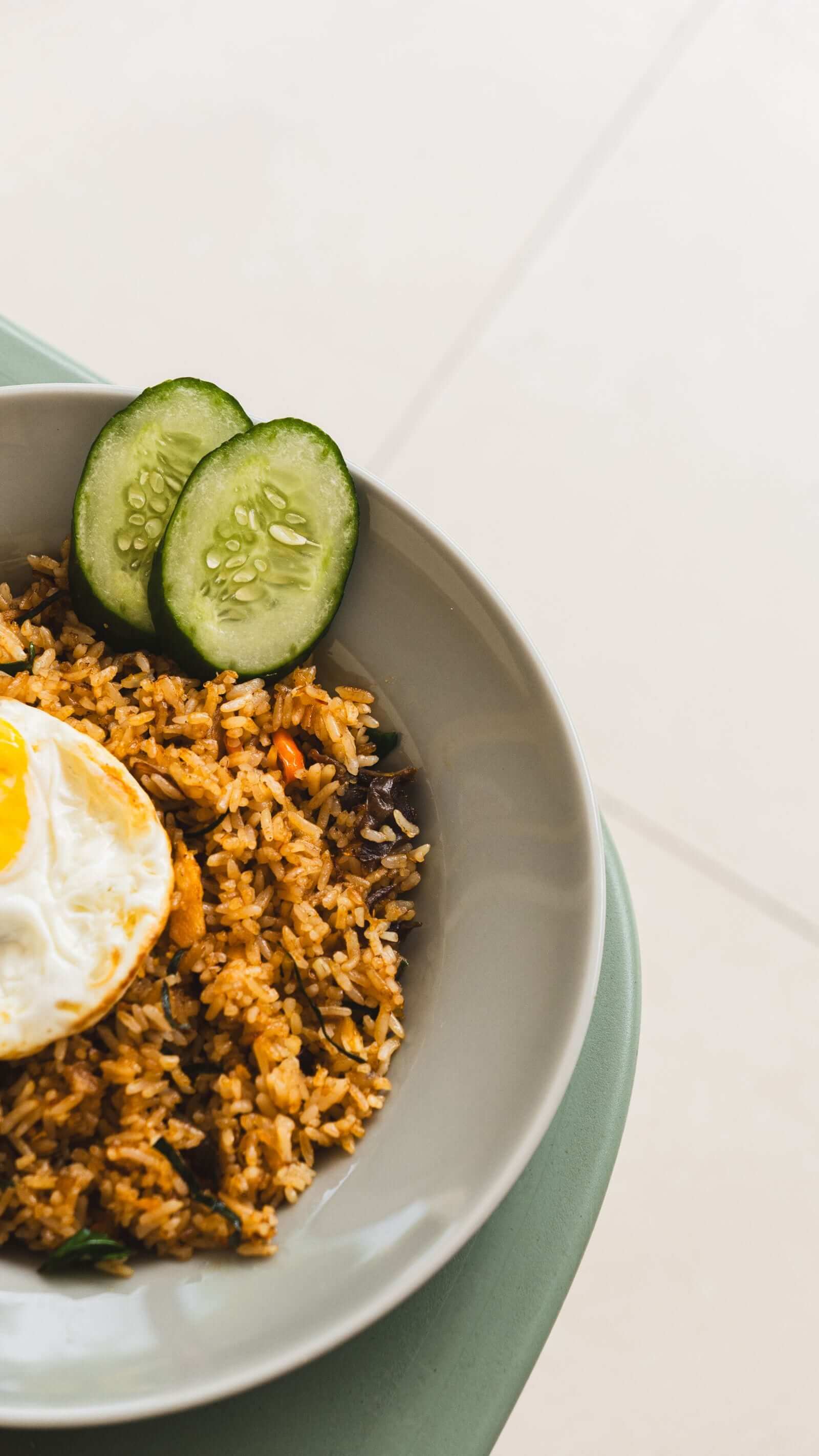
3. Cool It Into a Rice Salad
This is the method for rice that is already cooked and cold, and that you want to eat cold. It is the least obvious of the three, because most people think of rice as something that must be served hot. But cold rice, dressed and mixed with crunchy and fresh ingredients, makes a substantial salad — and it is a good use for rice that is a day or two old and slightly firm.
What you need: cold cooked rice, a dressing (oil and acid — lemon juice, vinegar, or lime — plus salt), and a mix of textures: something crunchy (cucumber, celery, carrot, nuts, seeds), something fresh (herbs, tomato, scallion), and something substantial (chickpeas, canned tuna, leftover chicken, feta, or a hard-boiled egg).
How to do it:
- Break up the cold rice so the grains are separate. If it is clumped, rinse it briefly in cold water and drain very well, or rub it with a little oil.
- Whisk the dressing: about two parts oil to one part acid, plus salt and pepper. Taste it before you dress the rice.
- Toss the rice with the dressing first, so every grain is coated. This keeps the salad from being dry.
- Fold in the crunchy and fresh ingredients, then the protein. Add herbs last.
- Let it sit for ten to fifteen minutes before eating, so the rice absorbs the dressing. It keeps well in the fridge for a day or two, though the crunchy elements will soften.
The key difference from fried rice is temperature and texture: this is a cold dish, and the rice should stay a little firm rather than soft. A lemon-and-olive-oil dressing with cucumber, tomato, and feta gives you something Mediterranean; a soy-sesame-lime dressing with shredded carrot, scallion, and peanuts goes in another direction entirely. Either way, it is a meal you can make in the time it takes to chop a few vegetables, and it travels well for lunch.
Choosing the Right Method
The three methods are not interchangeable, and that is the point. Dry, separate grains crisp best. Soft, clumped rice breaks down best in liquid. Firm, cold rice holds up best in a salad. If you are not sure which state your rice is in, press a clump between your fingers: if it falls apart into distinct grains, crisp it; if it smears, simmer it; if it holds together but feels firm, dress it cold.
None of these requires special equipment or a recipe you have to follow exactly. They are directions rather than formulas, which is what makes them useful on a weeknight when the fridge is half empty and the rice container is full.