
A confident smile is one of your most valuable assets. It shapes how you connect with others, boosts your self-esteem, and impacts your overall health. Unfortunately, missing or severely damaged teeth can make you want to hide your mouth, turning social gatherings or professional meetings into sources of intense anxiety.
For many years, the primary barrier to fixing these dental issues has been the staggering cost of treatment. Dental implants are widely considered the gold standard for tooth replacement, but their premium price tag often puts them completely out of reach for everyday people.
However, there is incredible news for anyone struggling with dental issues. Organizations, non-profits, and regional programs are stepping up to offer affordable dental implants grants specifically designed for people who need to fix their teeth. As highlighted in the promotional text, they are giving away these life-changing opportunities so you can get a perfect smile at a giveaway price. If you have been waiting for the right moment to reclaim your oral health, this is it.
Why Dental Implants Are the Ultimate Solution
When it comes to restoring missing teeth, you generally have a few choices: bridges, traditional dentures, or dental implants. While dentures and bridges have been popular historically, they do not offer the same longevity or structural benefits as implants.
- Bone Preservation: When you lose a tooth, the jawbone beneath it begins to deteriorate over time due to a lack of stimulation. Dental implants fuse directly with your bone through a process called osseointegration, preventing bone loss and maintaining your facial structure.
- Natural Look and Feel: Implants mimic the exact look, feel, and function of natural teeth. You won't have to worry about messy adhesives, slipping, or slurred speech.
- A Permanent Investment: While dentures typically need to be replaced or refitted every few years, a well-maintained dental implant can last a lifetime.
Despite these clear benefits, traditional dental insurance rarely covers the full cost of implants, often labeling them as a "cosmetic" procedure. This is where specialized grants and subsidy programs change the game, opening doors for patients across various demographics.
Finding the Right Program for Your Age Group
As visualized in the accompanying reference image, image_5ddb85.png, modern dental programs categorize pricing, grants, and subsidies based on specific age tiers to better serve the unique dental needs of different generations.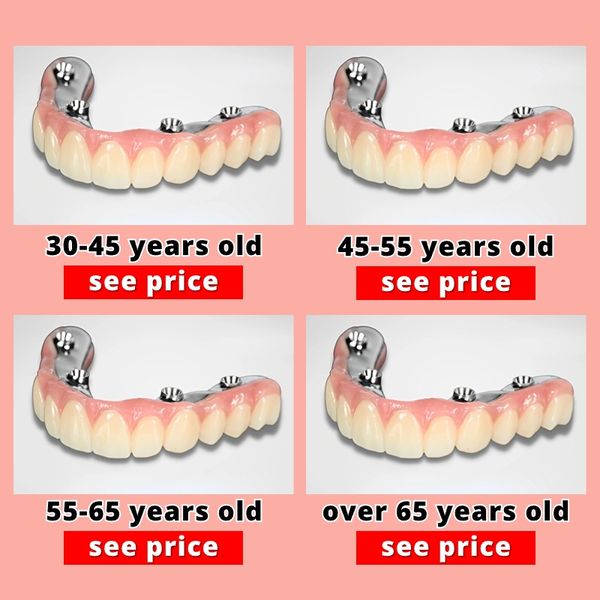
1. The 35–45 Years Old Bracket
At this stage of life, dental issues are often the result of early-onset periodontal disease, sports injuries, or old accidents that have caught up with you. Securing affordable options now ensures that you protect your jaw structure for the decades ahead, preventing premature aging of the lower face.
2. The 45–55 Years Old Bracket (The "Must Get" Era)
As explicitly marked as a "MUST GET" priority in image_5ddb85.png, individuals in this age bracket face critical transitions in oral health. Accelerated wear and tear, coupled with changing metabolic rates, can cause older dental work to fail. Taking advantage of subsidies during this window prevents minor issues from escalating into full-mouth extractions later on.
3. The 55–65 Years Old Bracket
As retirement approaches, fixing your teeth becomes paramount to enjoying your golden years comfortably. Programs targeting this bracket focus on restoring complete biting power, allowing you to maintain a healthy, unrestricted diet full of nutritious foods.
4. The Over 65 Years Old Bracket
Seniors frequently experience tooth loss due to decades of natural wear, medication side effects, or long-standing health conditions. Because standard Medicare does not traditionally cover routine or major dental work, senior-specific dental grants provide a much-needed financial lifeline, lowering the barrier to a giveaway price.
How to Apply and Claim Your Dental Grant
Getting started is far simpler than most people think. You don't have to navigate endless bureaucratic loops if you know where to look. Follow these simple steps to find out how you can get a dental implant grant:
- Click Below or Scan Online: The fastest way to locate active programs in your zip code is to use verified online directories that aggregate dental grants.
- Select Your Age Range: As shown in image_5ddb85.png, choose your corresponding age demographic to see custom-tailored pricing plans and open grants near you.
- Submit a Preliminary Assessment: Fill out a quick form detailing your dental history, current needs, and financial situation.
- Schedule an In-Person Evaluation: If qualified, you will be paired with a participating local dentist who will perform an X-ray and draft a treatment plan.
- Swipe Left and See More: Keep exploring different regional options, as local funding allocations fluctuate throughout the year.
Frequently Asked Questions (FAQ)
What exactly is a dental implant grant?
A dental implant grant is a financial subsidy provided by non-profit organizations, dental research groups, or charitable foundations. These grants cover a significant portion—and sometimes the entirety—of the surgical and prosthetic costs associated with dental implants, allowing patients to access treatment at a fraction of the standard retail cost.
Who qualifies for these affordable dental grants?
Qualification criteria vary by program. Generally, programs look for candidates who demonstrate a genuine financial need, suffer from medical conditions exacerbated by poor oral health, and are committed to maintaining good oral hygiene after the procedure. Age-specific allocations also help distribute funds equitably, as illustrated in image_5ddb85.png.
Is the dental implant procedure painful?
Most patients report very little discomfort during the actual procedure, as it is performed under local anesthesia or sedation. Any post-operative soreness can easily be managed with over-the-counter pain relievers and typically resolves within a few days.
Why do prices vary so much by age?
As people age, their jawbone density and overall health profiles change. A 35-year-old might only require a single implant and minimal bone grafting, whereas a senior over 65 might need a full-arch restoration (such as All-on-4 implants). Segmenting programs by age allows providers to give accurate, realistic price assessments based on generational trends.
How do I get started right now?
It’s easy! Click below to find out how you can get a dental grant tailored to your needs. Swipe left and see more options on our portal to compare local dental clinics, view active funding tiers, and secure your pathway to a beautiful, permanent smile today.