
A half-day walk on a nearby nature trail is one of the simplest pleasures outdoors. It doesn’t require a gym membership or a week of planning—just a little thought about what goes in your bag. The goal is to stay comfortable, handle small surprises, and enjoy the walk without feeling weighed down. Here’s a practical list for a few hours on an easy trail.
Shoes and Clothing
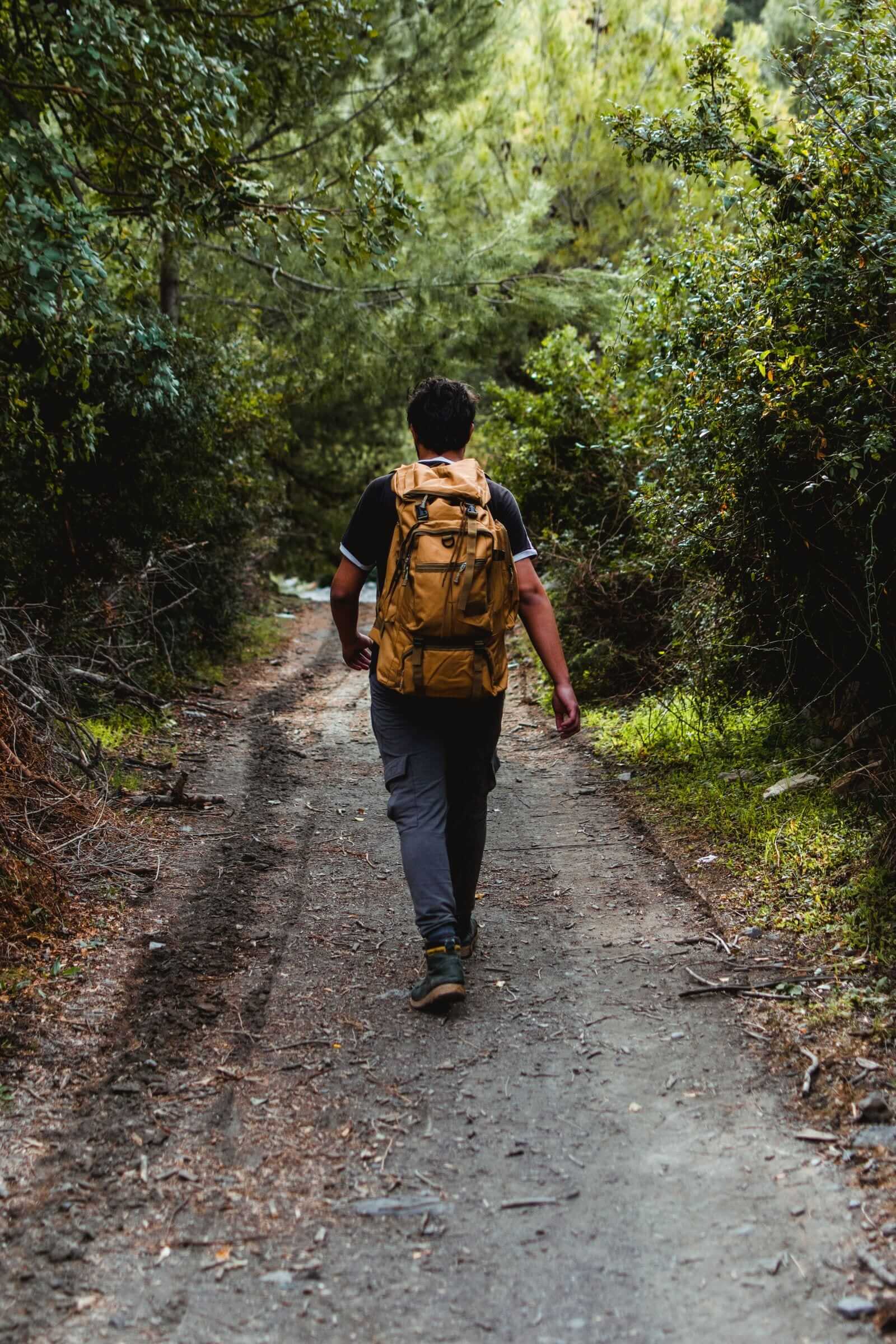
Start with your feet. You don’t need heavy hiking boots for a short, well-maintained path, but you do want shoes with a bit of tread and a secure fit. Running shoes or light trail shoes work well for most flat or gently rolling paths. Avoid sandals or flip-flops unless the trail is paved and you’re sure of the surface—twigs, roots, and loose gravel are easier to handle with closed toes.
Wear socks that wick moisture. Cotton socks can hold sweat and lead to blisters on a warm day. A thin pair of synthetic or wool-blend socks is a small upgrade that makes a difference.
For clothing, dress in layers you can easily remove. A light T-shirt, a long-sleeve shirt or thin fleece, and a packable windbreaker cover most conditions. Avoid cotton jeans if rain is possible—they stay wet and heavy. Quick-dry pants or shorts give you more freedom. A cap or wide-brim hat keeps sun off your face and neck.
Water and Simple Food
Bring more water than you think you’ll need. For a half-day walk, one liter per person is a reasonable starting point, and more if it’s hot or you’re moving steadily. A reusable bottle is fine; a small insulated bottle keeps water cooler on warm days.
Food should be simple and sturdy. A banana, an apple, a handful of nuts, or a granola bar can tide you over without weighing you down. If you plan to sit and rest, a small sandwich or a piece of fruit is enough. Avoid messy or perishable items that need refrigeration. Pack out any wrappers or peels if there’s no bin on the trail.
Sun Protection and Insect Repellent
Even on a cloudy day, sun exposure adds up over a few hours. Apply sunscreen before you start, and bring a small tube or stick to reapply on exposed skin. A lip balm with SPF is a small but useful addition.
Insect repellent is worth packing, especially near water or in wooded sections. A small bottle of lotion or spray can prevent a lot of annoyance. If you prefer not to use repellent, long sleeves and pants offer some protection, but for a short walk, a compact repellent is the easiest option.
Handling Weather Changes
Weather can shift during a half-day outing. A lightweight rain jacket or a small poncho takes up little space and keeps you dry if a shower passes through. Avoid relying on an umbrella on exposed trails—wind makes it useless and it ties up a hand you might need for balance.
If it’s cooler than expected, an extra thin layer—like a compact fleece or a long-sleeve base layer—adds warmth without bulk. In warm weather, a bandana or small towel can wipe sweat and double as a neck shade.
Lightweight Packing and Storage
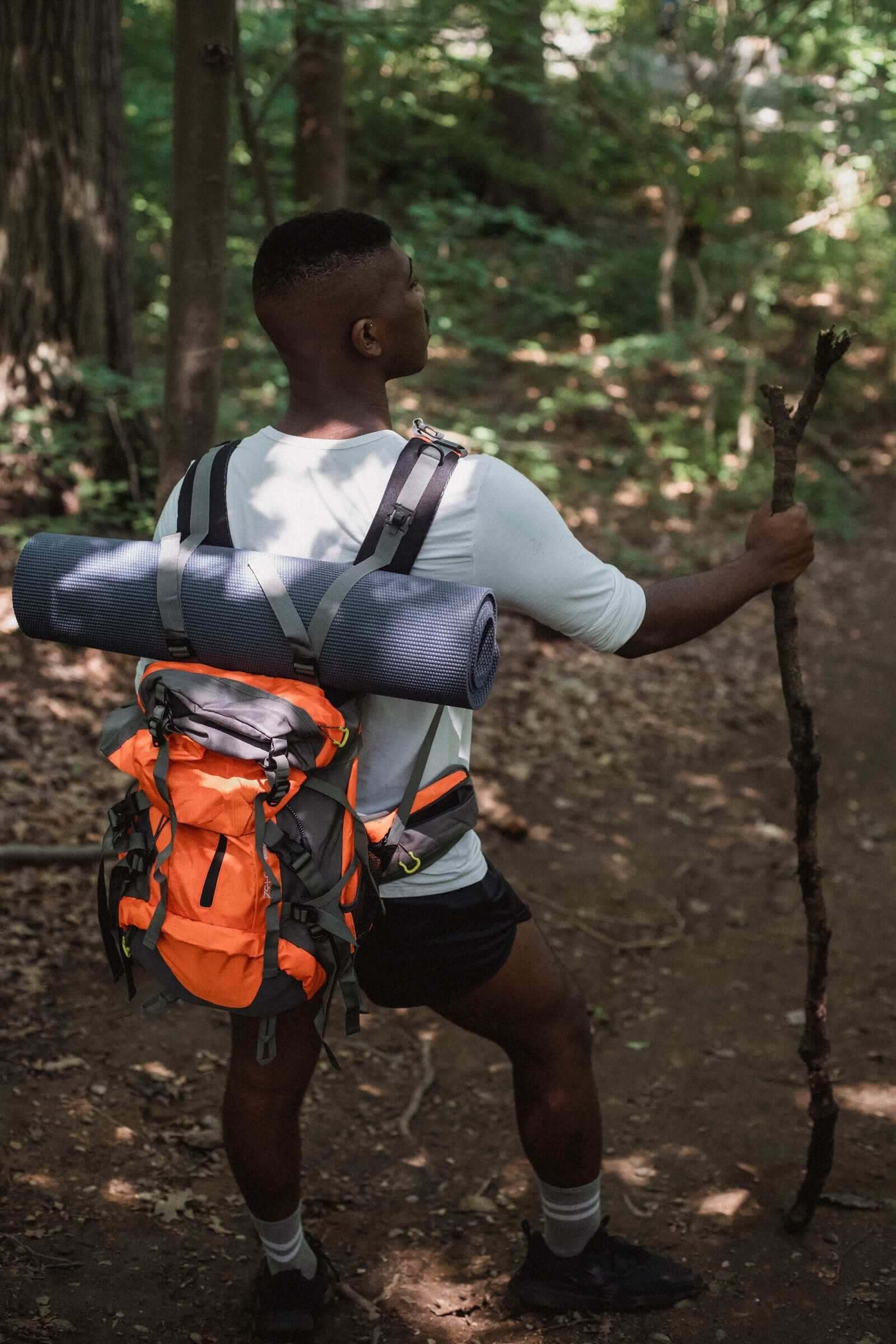
A small backpack or a waist pack is enough for a half-day walk. You want your hands free and weight balanced. Inside, use a few small stuff sacks or zip-top bags to keep items organized: one for food, one for a small first-aid kit, one for electronics or keys.
A basic first-aid kit can be minimal: a few adhesive bandages, a small packet of antiseptic wipes, and any personal medication. A tiny flashlight or a phone with a charged battery covers most unexpected delays. A compact trash bag (or a reused plastic bag) lets you pack out your own waste and any small litter you find.
Finally, leave a little room in your pack. A light layer you remove, a map you pick up at the trailhead, or a small souvenir from the walk all need a place to go. Keeping the load light is the point—you’re out for a few hours, not a week.
With these basics, a short nature walk stays simple: comfortable feet, enough water, protection from sun and bugs, a layer for changing weather, and a small pack to hold it all. The rest is just paying attention to the trail and enjoying the time outside.