
It is seven in the evening. You open the refrigerator, and the light falls on half a lemon, a jar of mustard, and a lonely carrot. The cupboard is not much better: a bag of rice, some pasta, a can of beans you forgot about. Delivery is tempting, but you have already decided not to shop tonight. This is not a cooking emergency. It is a puzzle, and it has a reliable order of operations.
Take Inventory Before You Take Action
The first move is not to cook. It is to look. Pull everything out of the refrigerator and set it on the counter, then do the same with the cupboard shelves you can reach. Seeing the food in one place changes how you think about it. The half lemon stops looking like a garnish and starts looking like acid for a sauce. The carrot stops looking like a side dish and starts looking like sweetness and texture.
As you sort, ask three questions about each item. Is it still good? How soon will it go bad? And what role could it play—starch, protein, vegetable, fat, acid, or flavor? You do not need a full pantry to make a meal. You need at least one thing from the starch group and enough flavor to make it taste intentional.
Put the most perishable items in a small pile of their own. Those are the ones that should shape the meal. A softening tomato, a few mushrooms, the last of a bunch of parsley—these are not scraps. They are the reason dinner exists tonight.
Build From the Bottom Up
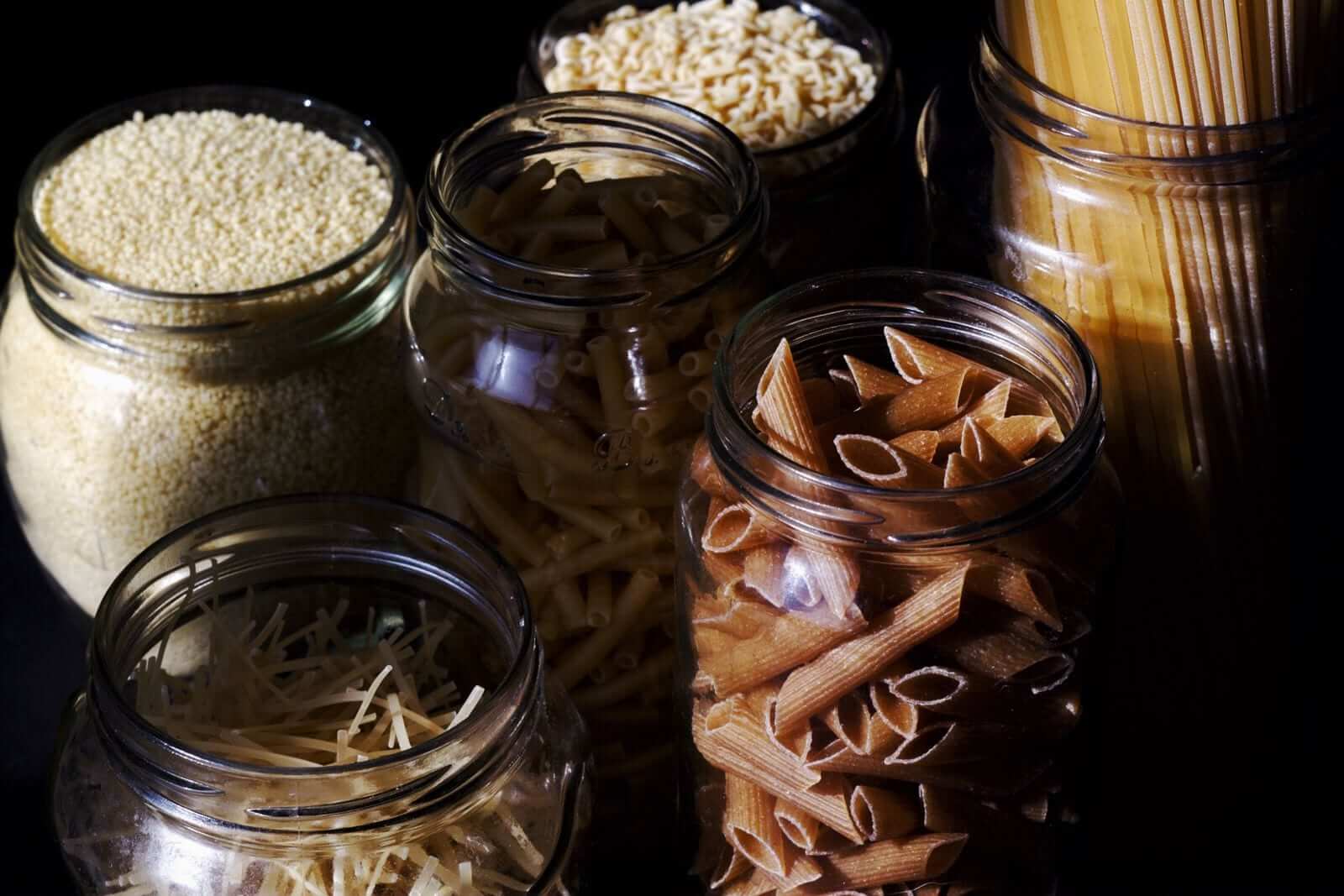
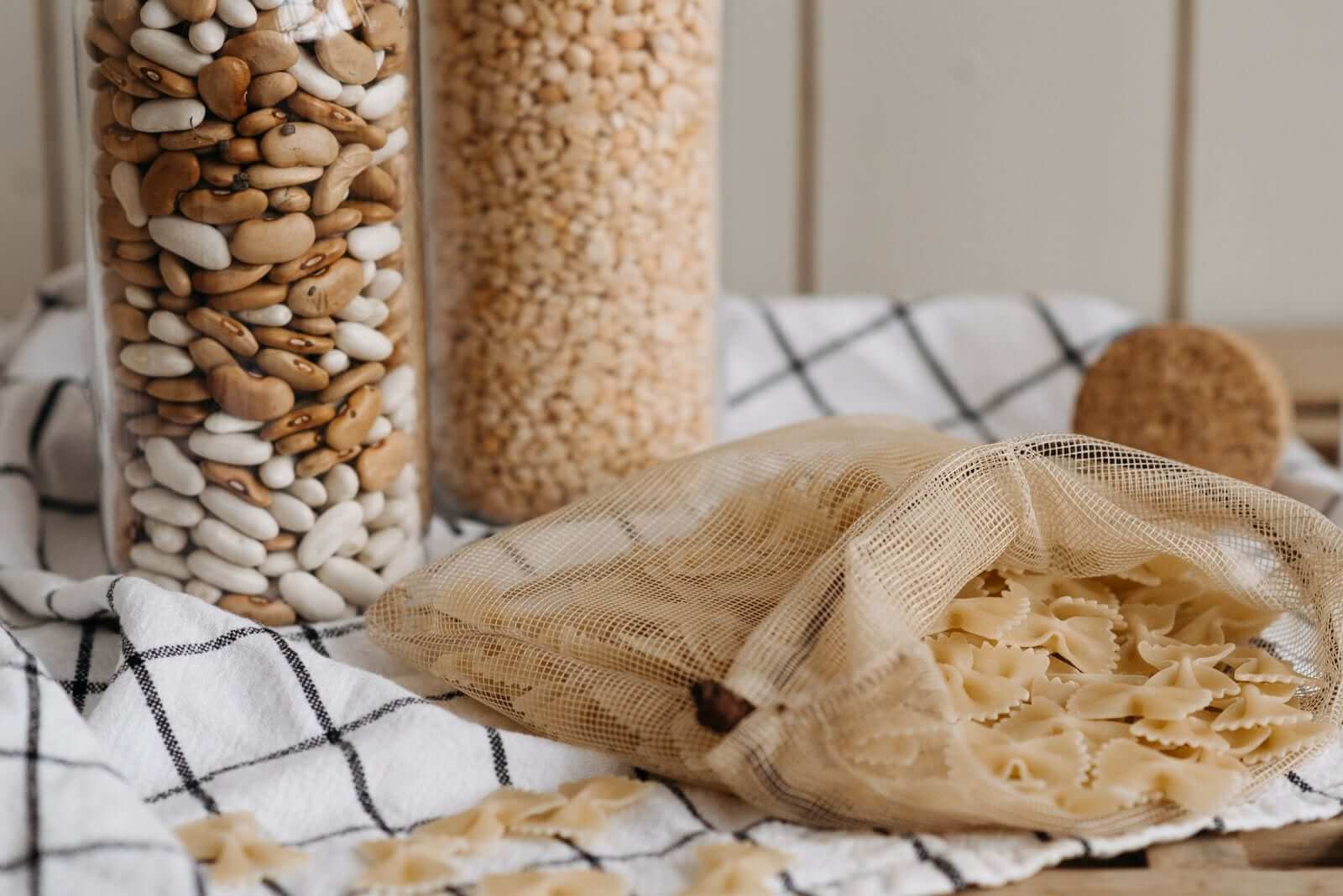
A meal with an empty kitchen is built in layers, and the bottom layer is always a staple. Rice, pasta, noodles, potatoes, bread, oats, tortillas, or even instant mashed potatoes can carry everything else. Decide on that base first, because it determines what kind of dish you are making. Rice and pasta invite a sauce or a stir-together bowl. Bread invites toast, a sandwich, or something sopped up. Potatoes invite a skillet or a mash.
Next comes the fat and the aromatic layer. Oil, butter, or the fat left in a jar of olives or sundried tomatoes gives food richness. Garlic, onion, scallions, ginger, or dried herbs give it a reason to smell like dinner. If you have none of these, salt, pepper, and a pinch of something smoky or spicy can still do the job.
Then add whatever protein or vegetable you found. A can of beans, an egg, a bit of cheese, a handful of frozen peas, or that single carrot all count. The goal is not abundance. The goal is balance: something soft with something crisp, something rich with something sharp.
Finally, finish the dish. Acid is the most underused tool in a nearly empty kitchen. Lemon juice, vinegar, pickle brine, or even a spoonful of mustard can wake up a flat bowl of rice. A little crunch—toasted breadcrumbs, nuts, fried onions—adds contrast. And salt, added in small amounts and tasted as you go, does more than any fancy ingredient could.
Judgment Calls That Save the Meal
Not every combination works, and the difference is usually in the cooking method. If your ingredients are sparse, keep the method simple. One pan, one pot, or one sheet tray means fewer things to wash and less chance of a dish tasting muddled.
Think about texture before you think about flavor. A bowl of soft rice with soft beans and soft cooked carrot will feel monotonous no matter how well you season it. Sear the carrot, crisp the beans in oil, or toast the rice slightly before adding liquid. Small changes in texture make plain food feel deliberate.
Also, respect the limits of what you have. If there is no sauce, do not try to invent one from nothing. Use the cooking liquid, a little butter, or a splash of the pasta water to bring things together. If there is no fresh herb, dried is fine—add it early so it has time to bloom. If there is no lemon, a splash of vinegar works. The meal does not need to be impressive. It needs to be coherent.
Emergency Combinations That Work
Here are a few reliable patterns to keep in mind when the shelves are bare. They are frameworks, not recipes, so adjust them to whatever you actually have.
Rice, egg, and something green. Cook the rice if it is not already cooked. Scramble an egg or two in a hot pan, push it aside, and fry whatever green thing you have—frozen peas, chopped scallions, a bit of cabbage—until it softens. Add the rice, season with soy sauce or salt, and finish with a little vinegar or hot sauce. If you have no green thing, use onion or just the egg.
Pasta with garlic and oil. Boil pasta in well-salted water. While it cooks, warm a generous amount of oil in a pan with sliced garlic, chili flakes if you have them, and a pinch of salt. When the pasta is nearly done, save a cup of the water, drain the pasta, and toss it in the pan with a splash of the water. Stir until the sauce looks glossy. A squeeze of lemon or a spoonful of mustard stirred in at the end adds brightness.
Toast as a platform. Good bread toasted dark is a meal if you treat it right. Rub it with a cut clove of garlic, drizzle it with oil, and pile on whatever you have: mashed beans, a fried egg, grated cheese, sliced tomato, or leftover vegetables. A little acid—vinegar or lemon—keeps it from tasting heavy.
Beans with a warm spice base. Canned beans are one of the most useful things in a bare cupboard. Warm oil, add onion or garlic if you have it, then stir in cumin, paprika, or chili powder. Add the beans with a little of their liquid and simmer until they thicken. Serve over rice, on toast, or mashed roughly with a fork. A spoonful of yogurt or a squeeze of lime on top makes it feel finished.
Potato skillet. Dice potatoes small so they cook quickly. Fry them in oil with salt and any spice you like until they are browned and tender. Add an egg, some cheese, or a handful of frozen vegetables near the end. If you have an onion, cook it first. This is a meal that forgives almost anything.
The Frame of Mind That Helps
Cooking from an empty kitchen is less about what you lack and more about what you notice. The half lemon is not a sad remnant; it is the finish line. The can of beans is not a last resort; it is the backbone. Once you have a starch, a fat, a flavor, and something fresh or frozen, you have a meal.
The order matters: inventory first, then base, then flavor, then finish. Keep the cooking simple, pay attention to texture, and taste as you go. You do not need a full refrigerator to eat well tonight. You need a little patience, a hot pan, and the willingness to treat what is already there as enough.