
A wet umbrella, a dripping coat, and a pair of muddy shoes can turn a small entryway into a slippery mess in seconds. In a rainy climate, this is not an occasional annoyance but a daily routine for months at a time. The good news is that a little planning at the door makes an enormous difference. A simple, well-chosen kit and a few sensible habits can keep water where it belongs and keep the entry usable for everyone.
This guide covers what to keep by the door, where to put wet items, and how to dry things without turning the hallway into an obstacle course. None of it requires remodeling or special equipment; it is mostly about choosing the right small items and giving each one a clear home.
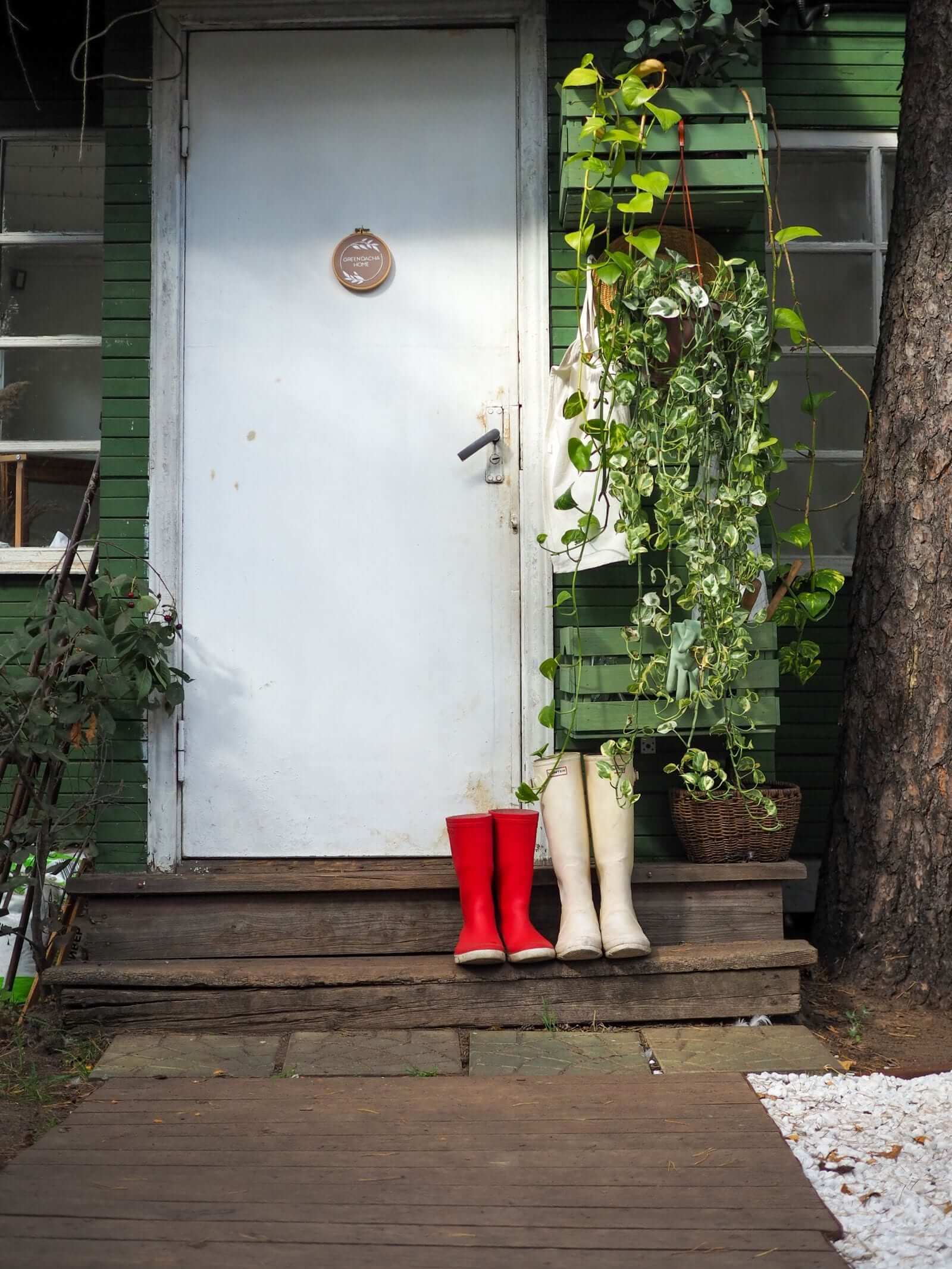
Start With a Simple Door-Side Kit
The goal of a door-side kit is to catch water at the point of entry and to give wet things somewhere to go. Everything on this list is inexpensive, easy to find, and useful in a rainy climate.
- A sturdy doormat, ideally two. Use a coarse outdoor mat to scrape mud and grit off shoes before they cross the threshold, and a smaller absorbent mat just inside the door to catch the last drips. Two mats work far better than one, because the first has to handle the worst of the dirt.
- A boot tray or shallow drip tray. A lipped tray gives wet shoes and boots a defined place to sit. Choose one with raised edges so puddles stay contained, and pick a size that fits your household's usual number of pairs.
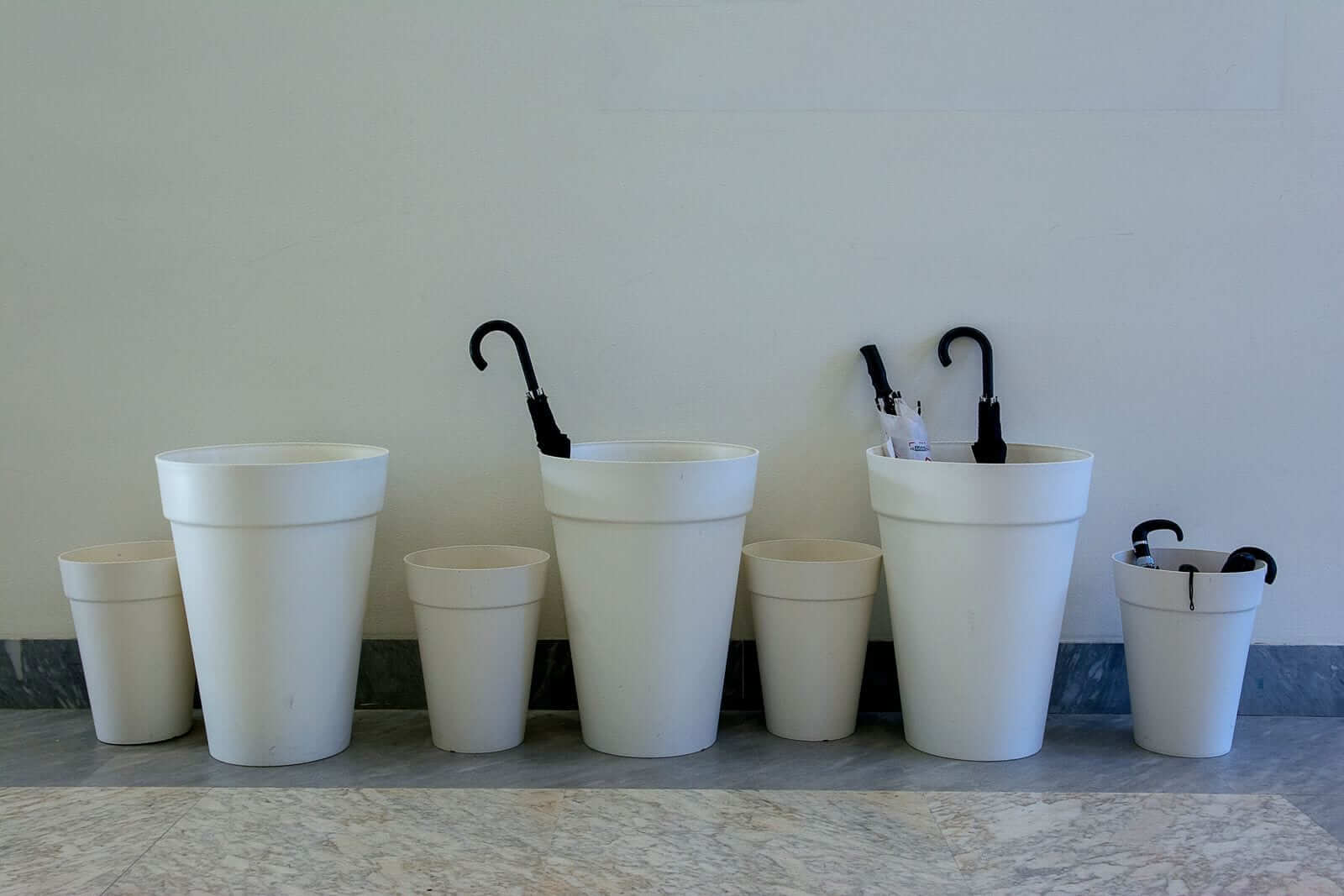
- An umbrella stand or a tall bucket. Umbrellas need to stand upright so water runs down and collects at the bottom rather than spreading across the floor. A dedicated stand, a tall narrow bin, or even a sturdy bucket works. Avoid leaning wet umbrellas against walls, where they leave marks and never fully dry.
- A row of hooks at the right height. Hooks for coats, hats, and bags keep wet outerwear off furniture and off the floor. A low hook or two for children helps them hang their own things without dropping them.
- A small towel or microfiber cloth. Keep one within reach for wiping wet hands, mopping a spill, or drying a phone or bag that came in wet. A cloth that can be tossed in the wash is more practical than paper towels for repeated use.
- A shallow basket for small wet items. Gloves, hats, and cloth bags often arrive damp. A breathable basket keeps them together and lets air circulate.
- A spray bottle of mild cleaner and a cloth. Mud and road salt leave marks near the door. A quick wipe-down once a day prevents buildup and keeps the entry from becoming gritty.
Optional additions, depending on your space and climate: a small squeegee or absorbent floor mat for very wet days, a compact fan for moving air, and a lidded bin for disposable shoe covers if your household uses them.
Where to Put Wet Items
Placement matters as much as the kit itself. The basic principle is to create a short, clear path from the door to a drying spot, so wet items never have to travel through the rest of the house.
Shoes and boots belong on the drip tray, placed just inside the door and slightly to one side so it does not block the walking path. If space is tight, a narrow tray along the wall works well. Encourage a habit: shoes come off at the tray, not in the middle of the room. For very muddy days, a quick scrape on the outdoor mat before stepping in saves a lot of cleaning.
Umbrellas should go straight into the stand or bucket, handle up and canopy down, so water drains into the container. Keep the stand near the door but out of the main traffic line, and empty it regularly so it does not become a stagnant puddle. If an umbrella is soaked, give it a shake outside first, then stand it open in a bathtub or shower for a few hours before folding it away.
Coats and jackets go on hooks, not over chair backs or on the floor. Hang them with space between them so air can move; coats bunched together stay damp and start to smell. If a coat is very wet, hang it in a bathroom or utility area with ventilation rather than cramming it into a crowded closet.
Bags, gloves, and hats can go in the shallow basket or on a hook. Small items that get wet should be emptied of anything important, then left to air out rather than stuffed into a pocket or drawer.
The overall layout should leave a clear zone for walking in and out. A useful rule of thumb is to keep the center of the entry empty and push storage to the edges. That way, even on a day when several people come in at once, no one has to step over a puddle or squeeze past a dripping coat.
How to Dry Things Without Blocking the Entry
Drying is where many households run into trouble: wet things get piled in the doorway because there is nowhere else to put them, and the entry becomes unusable. A few simple strategies prevent this.
Use airflow, not heat. Most wet clothing and shoes dry best with moving air at room temperature. A small fan pointed at the drip tray or the coat hooks speeds drying considerably and costs little to run. Avoid placing wet items directly on radiators or heaters, which can damage materials and create a fire risk.
Give each item space. Water evaporates from surfaces, so items that are touching dry slowly. Hang coats apart, stand boots upright rather than lying them on their sides, and avoid stacking damp shoes. If you have a drying rack, set it up in a bathroom or utility room rather than in the entry itself.
Stuff boots with newspaper or cloth. Loosely packed paper inside wet boots absorbs moisture and helps them hold their shape. Change the paper when it feels damp. This is an old, reliable method that works without any equipment.
Turn shoes over and open them up. Loosen laces and open the tongue so air reaches the inside. For shoes that are only slightly damp, this may be all that is needed.
Move overflow out of the entry. On especially wet days, the entry will not hold everything. Designate a secondary drying spot, such as a bathroom floor with a towel underneath, a utility room, or a covered balcony, and move soaked items there once they have stopped dripping. The entry then stays clear for the next person coming through.
Wipe the floor as part of the routine. A quick pass with a towel or mop after the morning rush keeps the floor from staying wet and slippery all day. This is especially important on smooth surfaces like tile or linoleum.
Small Habits That Make a Big Difference
The kit and the layout do most of the work, but a few habits keep the system running. Shake umbrellas outside before coming in. Scrape shoes on the outdoor mat. Hang coats rather than dropping them. Empty the umbrella stand and rinse the drip tray every few days so they do not collect dirt and smell. Keep the towel within reach so wiping up is easy rather than a chore.
It also helps to review the setup at the start of the rainy season. Check that hooks are secure, that the tray fits the space, and that there is a clear path from door to drying spot. A five-minute adjustment now prevents weeks of small frustrations later.
None of this needs to be elaborate or expensive. A pair of mats, a tray, an umbrella stand, some hooks, and a cloth cover most of what a rainy climate throws at a household. The real benefit is not the items themselves but the routine they make possible: wet things come in, go to their places, and dry without turning the entry into a hazard. On a gray, drenched morning, that small piece of order is worth a great deal.