
Cycas revoluta, commonly known as the cycad or sago palm, is a captivating indoor ornamental plant that can also thrive outdoors. Its distinctive silhouette and graceful foliage make it a beloved addition to both domestic and commercial spaces. Beyond its visual appeal, this resilient plant boasts a rich history and a diverse array of applications, making it a versatile and intriguing subject of exploration.
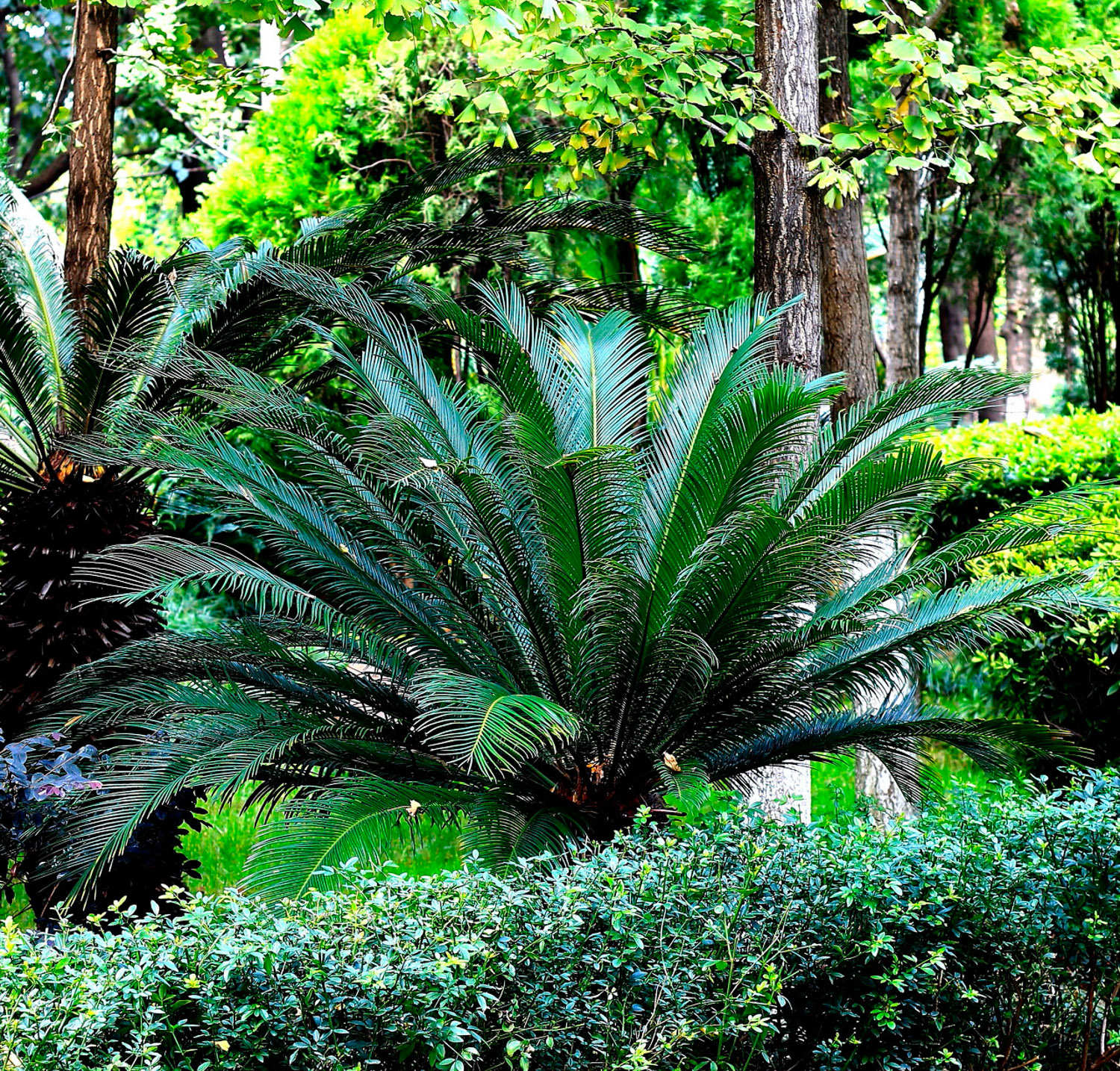
Nomenclature and AliasesThe Cycas revoluta, often referred to simply as the cycad, has a diverse array of alternative names that reflect its global reach and cultural significance. Some of these include the Phoenix banana, fire-avoiding banana, Phoenix pine, iron tree, Phoenix iron, Jin Dynasty, and fire-avoiding grass. These monikers highlight the plant's adaptability, its association with various regions and traditions, and its enduring presence in the natural and human landscapes.
Cultivation and CareThe Cycas revoluta thrives in well-lit environments, though it can also tolerate partial shade. Its cultivation requires attentive care, as the plant is not particularly cold-resistant. During the winter months, the wintering temperature should be maintained above 5°C to ensure its survival. The soil should be loose, fertile, and slightly acidic, providing the optimal conditions for growth. While the Cycas revoluta has a relatively slow growth rate, it is essential to maintain a balanced watering regimen, avoiding excessive moisture. Timely fertilization and proper ventilation are also crucial for the plant's well-being.
Aesthetic Appeal and SymbolismThe Cycas revoluta is renowned for its striking visual appeal, with a beautiful plant shape and flexible, graceful leaves that captivate the eye. Its versatility allows it to be enjoyed both indoors and outdoors, making it a popular choice for a wide range of settings. Beyond its aesthetic qualities, the Cycas revoluta holds deep symbolic significance in various cultures, often representing steadfastness, unswerving determination, longevity, wealth, and good luck.
Ecological Significance and AdaptabilityThe Cycas revoluta is a remarkable plant that has endured for millions of years, with fossil records dating back to the Jurassic period. Its resilience and adaptability have allowed it to thrive in diverse environments, from tropical to subtropical regions. As a living fossil, the Cycas revoluta offers insights into the evolution of plant life and the intricate relationships between species within ecosystems. Its ability to withstand environmental challenges and adapt to changing conditions underscores the plant's remarkable resilience and its importance in the natural world.
Versatility and ApplicationsThe Cycas revoluta's versatility extends beyond its ornamental value, as it has been utilized in various industries and applications throughout history. In traditional medicine, the plant's leaves, seeds, and roots have been used to treat a range of ailments, showcasing its potential as a source of natural remedies. Additionally, the Cycas revoluta has been employed in the production of starch, oil, and other valuable compounds, highlighting its multifaceted utility.
Cultural Significance and Global ReachThe Cycas revoluta's global distribution and cultural significance are equally remarkable. This plant has been revered and incorporated into the traditions of numerous civilizations, from ancient China to modern-day Japan. Its presence in art, literature, and religious practices underscores the deep-rooted connection between the Cycas revoluta and human societies. As a symbol of longevity, resilience, and prosperity, the Cycas revoluta has transcended geographical boundaries and continues to captivate and inspire people worldwide.