
The Moon Banquet, a captivating perennial fleshy herb from the Gesneriaceae family, has long been a source of fascination for botanists and nature enthusiasts alike. With its striking appearance and intriguing history, this remarkable plant has earned a range of endearing monikers, including the "Queen of the Cliff" and the "Feast of the Moon." Delving into the intricate details of this horticultural gem, we uncover a world of wonder and uncover the secrets that make the Moon Banquet a truly remarkable addition to any garden or collection.
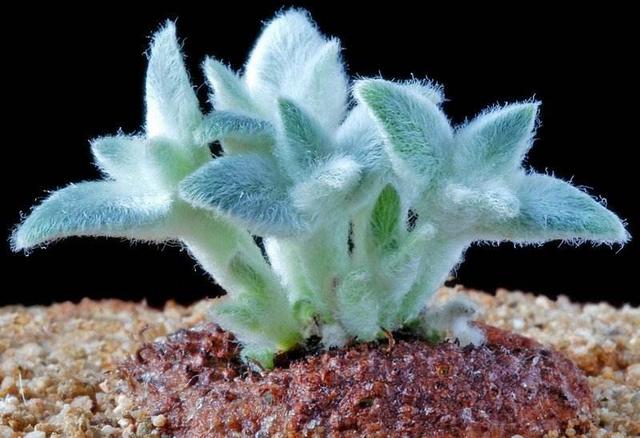
Captivating Foliage and BloomsThe Moon Banquet's allure lies in its striking visual appeal, with its leaves adorned in a dense covering of white, velvety hairs that give the plant a captivating, almost ethereal appearance. The flowers themselves are equally captivating, boasting a vibrant orange-red hue and a tubular shape with thick, densely hairy petals. This unique combination of foliage and blooms creates a truly mesmerizing display that is sure to captivate the senses of any observer.
A Versatile and Resilient PlantOriginating from the lush landscapes of Brazil, the Moon Banquet has proven to be a remarkably adaptable and resilient plant. With its strong growth habits and ease of care, the "Queen of the Cliff" is a delight for both novice and experienced gardeners alike. Its peak growth periods occur in the spring and autumn, with the plant showcasing its stunning flowers during the months of April and May. Even more impressive is the Moon Banquet's ability to withstand low temperatures, with the plant capable of thriving in conditions as cool as 5°C (41°F), making it a suitable choice for a wide range of climates.
Propagation and CultivationPropagating the Moon Banquet can be a delicate process, as the plant's seed life is relatively short-lived. After harvesting, the seeds must be sown immediately on a carefully prepared medium of high-temperature sterilized leaf humus and sand. The seeds typically germinate within 1-2 weeks when kept at a temperature of around 20°C (68°F), and the young seedlings require consistent moisture to thrive. Transplanting the plants should be done once they have developed 5-6 true leaves, as this helps to ensure their successful establishment. While cuttings may not be the easiest method of propagation, the Moon Banquet's resilience and adaptability make it a rewarding challenge for the dedicated gardener.
Appreciating the Moon Banquet's Ornamental ValueThe Moon Banquet's true allure lies in its captivating visual appeal, which has earned it a well-deserved reputation as a stunning ornamental plant. The plant's furry leaves, with their fine, animal-like hairs, invite the observer to reach out and touch them, creating a tactile experience that adds to the plant's charm. Additionally, the chubby, ball-like appearance of the Moon Banquet's exposed parts lends a delicate and lovely beauty to the overall display, making it a true delight for the senses.
Embracing the Moon Banquet's Unique CharmIn a world where horticultural wonders abound, the Moon Banquet stands out as a truly remarkable and captivating plant. Its striking appearance, resilience, and ease of care make it a must-have addition to any garden or collection. Whether you're a seasoned horticulturist or a nature enthusiast, the Moon Banquet's enchanting allure is sure to capture your heart and inspire a newfound appreciation for the beauty and diversity of the natural world.