
Considering a pickup truck but exploring options beyond a traditional bank loan? Rent-to-own agreements present one alternative pathway. This guide explains the fundamental structure of these programs, analyzes their key financial and contractual considerations, and compares them to more common financing methods. We will also provide practical advice on how to avoid common pitfalls and potentially save money, and answer some frequently asked questions to help provide a clearer picture of how rent-to-own works.
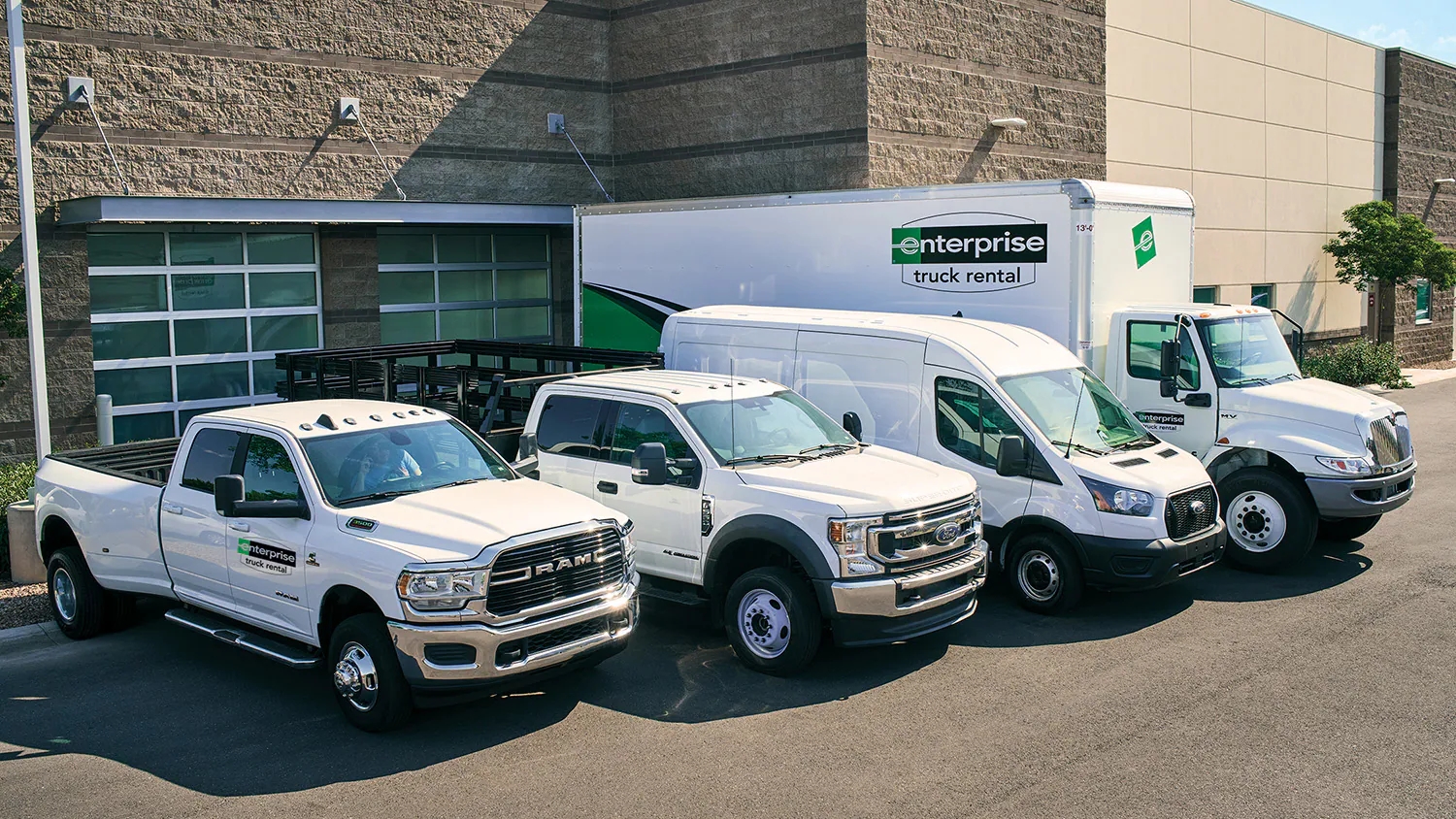 How Rent-to-Own Programs Operate
A rent-to-own agreement for a vehicle is primarily a rental contract with an option to purchase. You agree to make weekly or monthly payments for a set period, which is often 1 to 3 years. A portion of these payments may go toward the eventual purchase price. At the end of the term, you have the option to buy the truck by paying a final "balloon" payment or exercising a purchase option fee. It is crucial to understand that until that final payment is made, the dealership or company typically retains ownership. These programs are often marketed as having more accessible approval criteria, focusing on income and employment rather than credit score alone.
Understanding Costs and Comparing Options
The advertised appeal of low initial payments can be accompanied by a higher overall cost.
- Total Cost: The sum of all periodic payments plus the final purchase option fee can significantly exceed the truck's market value and the total cost of a traditional auto loan. According to analyses of alternative financing, the annual percentage rate (APR) equivalent in these contracts can be substantially higher than standard loan rates.
- Fee Awareness: Contracts may include various fees, such as an initial option fee, administrative fees, or charges for late payments. It is important to obtain a complete written schedule of all payments and fees.
- Comparison with Loans & Leases:vs. Traditional Auto Loan: With a loan, you own the vehicle upon signing and build equity. Loans generally offer a lower total finance charge for borrowers who qualify.vs. Leasing: A lease also involves payments for a term but usually has mileage restrictions and no built-in equity. At lease-end, you either return the vehicle or finance a separate purchase. Rent-to-own agreements often have fewer mileage limits but may come with higher payments.
| Aspect | Rent-to-Own | Traditional Installment Loan | Lease |
|---|---|---|---|
| Ownership During Term | Remains with dealer/company. | Transfers to you upon purchase. | Remains with leasing company. |
| Path to Ownership | Option to purchase after payment term. | Immediate ownership; loan is for the vehicle's value. | Option to purchase at lease-end for a predetermined price. |
| Typical Credit Requirements | Often more flexible. | Typically requires established credit history. | Usually requires good to excellent credit. |
| Long-Term Cost | Can be higher due to fees and payment structure. | Generally lower if qualified for competitive rates. | Cost varies; may be lower monthly but no equity built. |
How to Avoid Pitfalls and Achieve Savings
When considering a rent-to-own plan, taking some prudent steps can effectively protect your interests and potentially reduce overall expenses.
- Thorough Review and Calculation: Before signing, be sure to read the agreement line by line. Add up all periodic payments, the down payment, and the final purchase exercise price to arrive at the total expenditure, and compare it to the vehicle's current market value. Be aware of terms such as "document fees," "administrative fees," "GPS device fees," or high late payment fees.
- Clarify Responsibility Division: The contract must clearly state who is responsible for repairs, maintenance, tire replacement, and insurance during the lease period. Some agreements require the lessee to bear all maintenance costs and risk of loss.
- Obtain External Pre-approval and Vehicle Inspection: Before visiting a dealership, you can first inquire about pre-approval for a traditional auto loan from a credit union or local bank as a reference for price negotiation. For used vehicles, insisting on an independent third-party mechanical inspection and obtaining a vehicle history report can identify serious hidden problems and avoid bearing high repair costs in the future.
- Negotiate and Plan for Refinancing: Evaluate whether additional products promoted by the dealer (such as service contracts) are necessary and try to negotiate. If your credit situation is expected to improve in the future, you can ask if the contract allows you to buy out the vehicle in a lump sum with another loan during the lease term, in order to refinance at a lower interest rate and reduce total interest expenses.
Key Considerations and Frequently Asked Questions
Key Considerations Before Signing an Agreement:
- Vehicle Inspection: It is strongly recommended to have an independent mechanic's inspection and obtain a vehicle history report for used cars.
- Contract Review: Clarify responsibilities for maintenance, repairs, and insurance. Contracts typically require you to maintain full coverage insurance.
- Consequences of Default: Understand the policies if you are unable to continue payments. According to the contract terms and state law, the company may repossess the vehicle, and you may lose all payments made to date.
Frequently Asked Questions:
Q: Does a rent-to-own agreement help build credit?
A: It does not automatically build credit. Most rent-to-own dealers do not report payment history to major consumer credit bureaus. This means on-time payments may not improve your credit score.
Q: Can you negotiate the final purchase price in a rent-to-own contract?
A: The final "option-to-buy" price is usually fixed in the initial contract. The opportunity to negotiate generally occurs before signing the original agreement.
Q: Are you responsible for repairs on a rent-to-own truck?
A: This varies by contract. Some agreements stipulate that the lessee is immediately responsible for all maintenance and repair costs. Specific responsibilities will be outlined in the rental agreement.
Q: What happens at the end of the term if you decide not to buy the truck?
A: If you choose not to exercise the purchase option, the contract simply ends, and you return the vehicle. You do not receive any equity or refund from the payments made.
Sources and Data References:
- https://consumer.ftc.gov/articles/rent-own
- https://www.consumerfinance.gov/ask-cfpb/what-is-rent-to-own-financing-en-1967/
- https://www.experian.com/blogs/ask-experian/rent-to-own-cars/
- https://www.equifax.com/personal/education/loans/articles/-/learn/rent-to-own-cars/
- https://www.transunion.com/blog/credit-advice/rent-to-own-cars
- https://www.consumerreports.org/cars/car-buying/rent-to-own-cars-review-a4153876063/
- https://www.nolo.com/legal-encyclopedia/rent-own-cars.html
- https://www.investopedia.com/rent-to-own-vehicle-5210841